


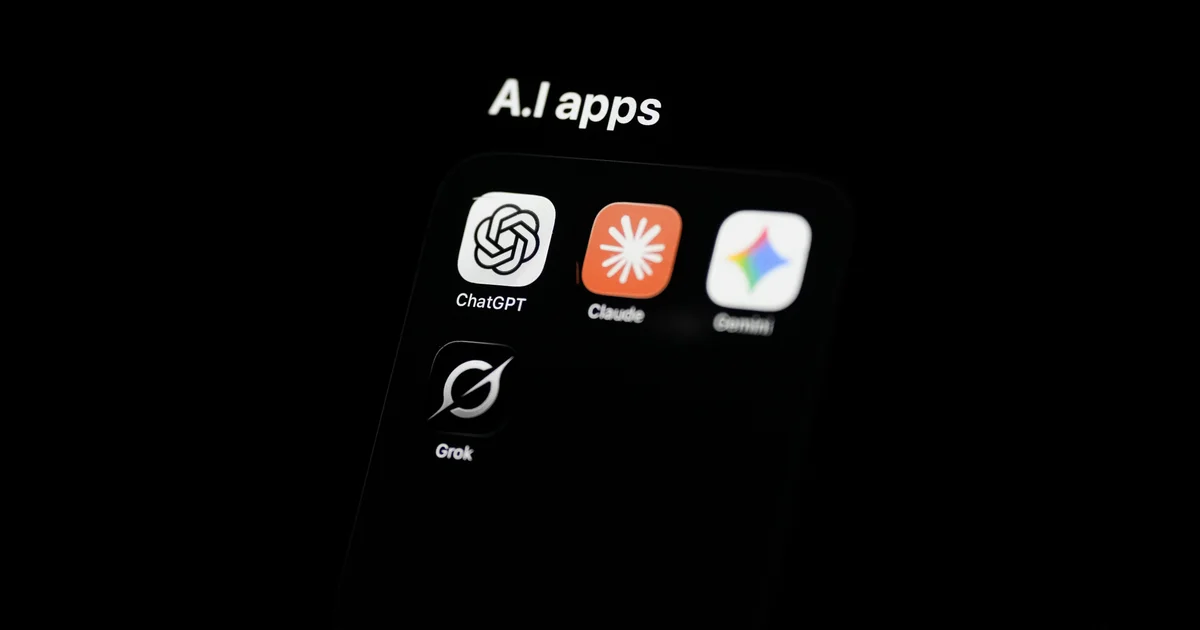
Artificial intelligence was used in ransomware attacks experienced by 84% of surveyed victims, while 44% said their own AI systems had been exploited, according to a global cybersecurity report.
The findings, published in Semperis’s 2026 Ransomware Risk Report, suggest that criminal groups are using AI to increase the speed, scale and sophistication of attacks against organisations.
The report was based on responses from 1,200 IT and security professionals across nine countries and eight industry sectors. It found that 69% of ransomware victims had suffered multiple successful attacks in the previous year, while 59% had paid a ransom at least once.
Identity systems, which control access to corporate networks, were targeted in 87% of cases. More than a third of victims also reported psychological or physical threats against employees, while 14% said staff or their family members had been forced to change jobs, workplaces or homes because of sustained ransomware threats.
AI is reshaping ransomware attacks
Chris Inglis, a former White House National Cyber Director and a Semperis board member, said AI represented a significant change in the capabilities available to cybercriminals.
“AI actually increases the capacity, scope, scale of attackers in understanding what perhaps might be the weaknesses in your system or perhaps increase the sophistication of their approach to you if they’re trying to get you to do something you shouldn’t do, that gives them an advantage, lets them in,” he said.
Inglis said attacks could increasingly be carried out with limited direct human involvement. Someone without advanced technical expertise could use AI to write code and target a company’s network, he said, potentially allowing data to be held hostage without a detailed understanding of digital infrastructure.
“We have democratized AI to the point where even low level models can allow that to happen,” Inglis said.
He added: “I think we’re already seeing autonomous attacks. Autonomous ransomware attacks are included in the mix.”
AI can help attackers identify weaknesses, create tailored social engineering attempts aimed at individual employees, automate intrusions and change tactics as defenders respond, Inglis said.
Tomer Bar, Semperis’s associate vice president of security research, said the technology could help criminals develop more advanced malicious code in less time and make investigations harder.
“We’re starting to see more attacks with more rapid development, and attribution of these attacks will be more difficult for law enforcement,” Bar said in the report.
He added that investigators were also “less likely to see mistakes in attack encryption algorithms because attackers can test their code with [large language models]”.
Businesses’ own AI systems at risk
The finding that 44% of victims had experienced attacks exploiting their own AI agents or systems raises concerns for organisations introducing the technology into their networks.
Courtney Guss, Semperis’s associate vice president of crisis management, warned that autonomous AI agents could create security risks when they seek additional permissions or interact with sensitive systems.
“If your company is adopting AI agents, you should consider that at some point, those agents will try to compromise your identity systems — even if that action isn’t meant to be malicious,” Guss wrote in the report.
Unlike conventional software, some AI agents can use several applications and make decisions on behalf of their users. If an attacker manipulates an agent, or obtains the credentials and permissions it uses, they may gain another route into an organisation’s systems.
Inglis cautioned, however, that AI did not necessarily create the original weakness exploited by an intruder. Criminals often use tools already present inside a network to blend in and move through it, he said.
“If AI is one of your tools, they’ll use those, but the weakness that let them in is probably the same weakness that existed before,” Inglis said.
He said organisations should focus on controlling access to their networks while also using AI for defensive purposes.
“You must use AI in order to counter that threat, and you must use AI for affirmative purposes,” Inglis said.
