


American shoppers could face higher prices for toilet paper and other household paper goods after Canada announced retaliatory tariffs on US imports, raising fresh concerns about pressure on supplies and household budgets.
The Canadian measures will take effect at 12.01am on September 8, following Washington’s decision to impose an additional 50 per cent tariff on C$27.6 billion (£15.2 billion) of Canadian goods.
Toilet paper and facial tissues imported from the US will face a 25 per cent duty in Canada. Paper towels, napkins and certain tissue-stock products will be subject to tariffs of up to 50 per cent, according to the Canadian government’s published list.
The duties are part of Ottawa’s dollar-for-dollar response to tariffs imposed by Donald Trump’s administration after trade negotiations between the two countries broke down in August. Canada is applying the new measures to 629 tariff items across sectors including pulp and paper, dairy, appliances, electronics and agricultural equipment.
“Canada will match those tariffs dollar for dollar,” Mark Carney, the Canadian prime minister, said in announcing the retaliation. “Because we were attacked. Like, you’re at war when you get attacked.”
Why the Canada tariffs could affect US toilet paper prices
The immediate concern for American consumers is not that the country will run out of toilet paper altogether, but that the tariffs could raise production costs throughout a highly integrated North American supply chain.
Canada was the largest supplier of toilet paper to the US in 2024, sending goods worth about $328 million across the border. Retailers including Costco also rely heavily on Canadian mills for some private-label paper products.
US manufacturers are additionally dependent on Canadian northern bleached softwood kraft pulp, a key raw material used in tissue production. Canadian pulp accounts for roughly 30 per cent of a standard American toilet roll and close to half of US paper-towel production, with American mills buying about two million tons a year.
That means even products made in the US could become more expensive if imported pulp is hit by tariffs. The American Forest & Paper Association has said any disruption is more likely to be localised than a nationwide shortage, while urging consumers not to stockpile ahead of the September 8 deadline.
North Carolina State University experts have estimated that the 50 per cent tariff on Canadian pulp could increase manufacturing costs for premium toilet tissue by between 11 and 20 per cent. The effect on premium kitchen towels could be higher, at between 31 and 38 per cent, they said.
Procter & Gamble, which makes Charmin toilet paper and Bounty paper towels, has warned that tariffs are creating an earnings headwind of about 25 cents per share. The company is raising prices on part of its product range as it attempts to offset higher costs.
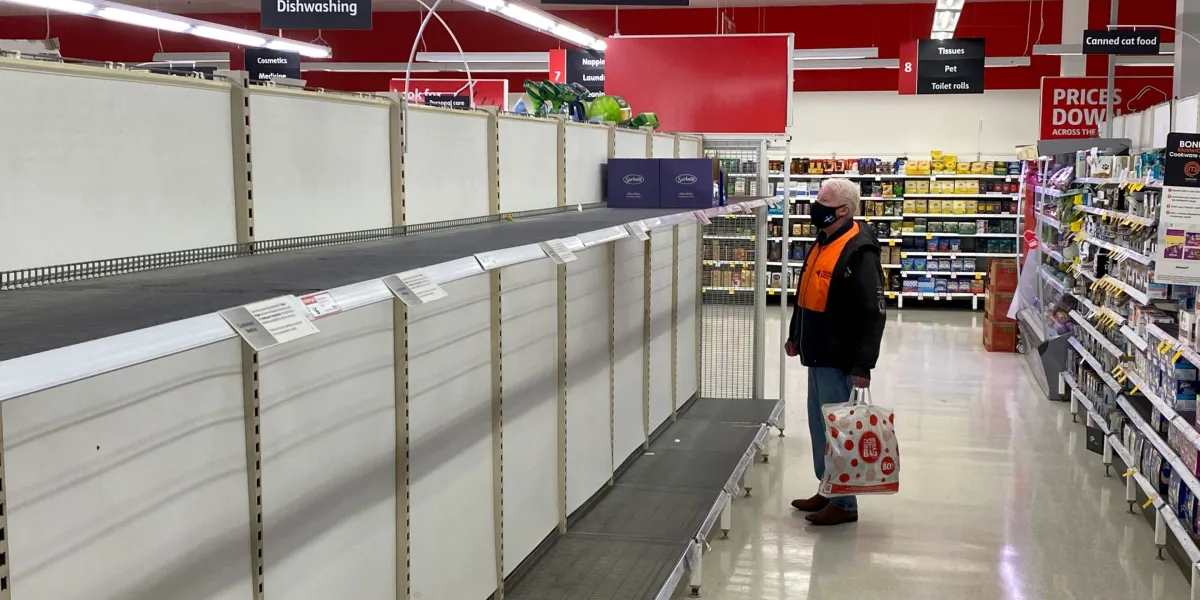
The prospect of a renewed run on toilet paper has revived memories of the early months of the Covid-19 pandemic. On March 12, 2020, US toilet paper sales rose by 734 per cent compared with the same day a year earlier, as shoppers rushed to secure supplies.
Retailers imposed purchase limits and shelves were emptied across the country, although subsequent research found no comparable collapse in production. Mills continued operating; panic-buying and hoarding were largely responsible for the shortages experienced by shoppers.
The US is particularly exposed to changes in tissue prices because its consumers use more than one-fifth of the world’s tissue supply despite representing about 4 per cent of the global population. Americans use an average of 141 rolls a year, according to figures cited in the tariff debate.
Canada has also imposed a 50 per cent tariff on most US dairy products, with cheese facing a 25 per cent duty, and a 25 per cent tariff on American fish and seafood, including frozen lobster. Ottawa has announced a C$7.5 billion support package for workers and businesses affected by the trade dispute.
Trump has separately threatened to raise US tariffs on Canadian cars and auto parts from 25 per cent to 50 per cent if no agreement is reached by January 1, 2027.
The escalating dispute comes as the president faces growing political pressure over the cost of living. Polling cited in the tariff debate found that 31 per cent of Americans regarded inflation and prices as their most important concern, while only 30 per cent approved of Trump’s handling of inflation.
