


Chancellor John Healey is expected to delay welfare reform in the Budget while setting aside £5.5 billion to fund a 3.5 per cent rise in benefits for around 10 million people.
The decision comes amid mounting pressure on the public finances, with official projections indicating that sickness benefit spending could increase from £83 billion last year to £109 billion by the end of the decade.
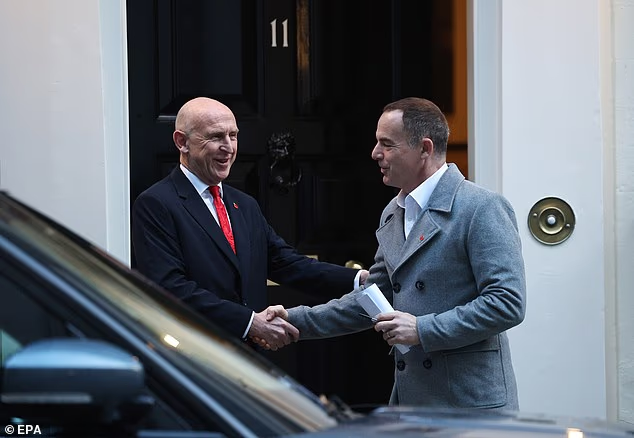
Mr Healey is also expected to earmark at least £1 billion to help people on benefits and low incomes with their energy bills this winter. Consumer champion Martin Lewis met the Chancellor at Downing Street ahead of the Budget to discuss support with energy costs.
Most major benefits, including Universal Credit and Personal Independence Payment, are expected to rise in line with the 3.5 per cent inflation rate recorded in September. Analysts estimate that the increase will cost the taxpayer about £5.5 billion, around £2.2 billion more than forecast in March.
However, the Chancellor is not expected to announce measures to curb the rising welfare bill. Ministers have said they must wait for major reviews into youth unemployment and disability benefits, due to be published in the coming months.
Opposition MPs warned that further delay would leave taxpayers facing an escalating burden. Shadow Treasury minister Richard Fuller said: “Britain’s public finances are on a cliff edge.”
“A ‘do nothing’ Budget will not solve the problems staring us in the face: a spiralling welfare bill, a crippling tax burden, mounting debt and rising global threats,” he said.
Former work and pensions secretary Sir Mel Stride said the Government had to address working-age welfare, which he said now cost around half a billion pounds a day.
“The fastest growing part is sickness benefit,” Sir Mel said. “The vast majority of people want to do the right thing but the system is giving them all the wrong incentives. The Chancellor must act.”
Andy Haldane, the Prime Minister’s former economic adviser, urged Mr Healey to make an initial commitment to welfare reform. He said immediate action could reduce borrowing costs by demonstrating to financial markets that Labour was serious about reform.
Mr Haldane also said Andy Burnham had as much political capital as he was likely to have and should make difficult decisions now rather than delay them until the economy and his popularity were weaker.
Benefits rise as tax burden increases
The Budget is expected to include a series of smaller tax increases, including a new charge on bank profits, as the Government seeks to address a shortfall in the public finances. The measures could push the tax burden towards its highest level since the Second World War.
Tax thresholds will remain frozen, meaning an estimated 580,000 additional people will pay the higher rate of income tax next year. The total number paying the rate is expected to reach 7.7 million.
Mr Healey is expected to protect state pension recipients from paying income tax for the first time, while offering only limited immediate help to people who are not receiving benefits. Possible measures include freezing NHS prescription charges at £9.90.
The Treasury has said the package will give households “breathing space” from some everyday costs and provide targeted support for businesses and self-employed people. It is also expected to set out longer-term plans to reduce energy bills, potentially by separating electricity and gas prices to limit the effect of fossil fuel costs.
The Chancellor has described the Budget as a “steady as she goes” package, while difficult decisions on welfare, defence and departmental spending are expected to be deferred.
