


China’s oil supplies are under growing pressure as disruption to Middle Eastern exports sends prices to record highs and forces refiners to compete for replacement cargoes from further afield.
Saudi Arabia has shut a key pipeline carrying crude across the Arabian Peninsula to the Red Sea after attacks by a group described as Iran-backed in Iraq. The closure has removed an important route to China and other Asian markets while shipping through the Strait of Hormuz remains restricted.
Beijing now faces a difficult choice: secure enough oil for its refineries without adding further pressure to prices in China and on global markets. Access to Russian and Iranian crude has also been complicated by US sanctions and other restrictions.
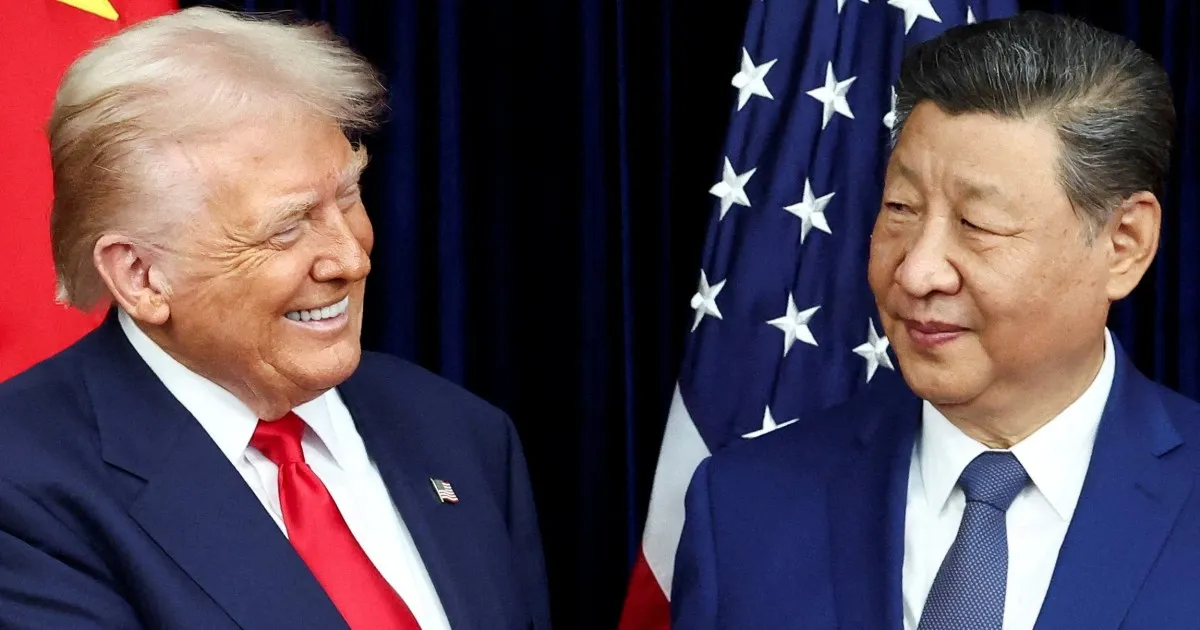
China’s diplomatic priority is increasingly tied to the reopening of the Strait of Hormuz, which Iran has effectively blocked, analysts say. Chinese Foreign Minister Wang Yi discussed the crisis with his Iranian counterpart, Abbas Araghchi, in Beijing on Wednesday, ahead of an expected meeting between Chinese President Xi Jinping and US President Donald Trump.
“What is happening in the Middle East is not good for China,” energy analyst Marc Ayoub said. China was in “a critical situation”, he added, with refiners “looking into the market for players outside of Hormuz”.
China’s oil stockpiles come under pressure
China had helped soften the initial shock to the global oil market by buying less crude than its refineries required and placing some of the surplus into strategic stockpiles.
Before the conflict, the country imported about 12 million barrels of crude a day and produced a further 4.4 million domestically. Its stockpiles were estimated to have reached 1.4 billion barrels by the end of last year.
Crude imports averaged 8.1 million barrels a day in the second quarter, almost 4 million barrels, or 32 per cent, below the level recorded in the first three months of the year, according to the US Energy Information Administration.
Those reserves are now being drawn down as refinery activity increases. Beijing has eased restrictions on refined-fuel exports, encouraging independent refiners to seek more crude from international markets.
“First, they want to increase production from the refineries, and second, they want to build back their inventories,” Mr Ayoub said. “So the Chinese are trying to find whatever supplies they can get from the market.”
Russia offers only limited relief
Russia is China’s largest crude supplier, providing about 20 per cent of its imports in 2025. Russian ESPO crude from the Pacific coast can reach Chinese ports in less than a week, while additional volumes arrive through pipelines.
Chinese refiners have moved quickly to secure available Russian cargoes for September and October. Seaborne imports from Russia reached 1.68 million barrels a day in August, up from 1.4 million in July and the highest level since March, according to Kpler data. Pipeline deliveries add about 1 million barrels a day.
US sanctions have made those purchases more difficult but have not stopped them. Iran, another major supplier of discounted crude to China, provided an estimated 1.4 million barrels a day last year, but those exports have been sharply curtailed by the conflict and US efforts to restrict Iranian oil sales.
China can also seek cargoes from Brazil, Venezuela, Angola, the Republic of the Congo and other producers in Latin America and Africa. Brazil supplied 1.6 million barrels a day to China in March 2026 and was already among the country’s five biggest suppliers last year.
However, alternative grades cannot always be substituted easily. Chinese refineries are designed to process particular types of crude, while Venezuelan oil, for example, is generally much heavier than Russian ESPO.
Distance is another obstacle. Cargoes from Brazil, west Africa and the Americas take longer to reach China than Russian supplies and carry higher freight costs, while producers elsewhere have only limited additional volumes available.
Saudi Arabia is also seeking to maintain supplies to China. Saudi Aramco sold at least 4 million barrels to the country in August, equivalent to about 129,000 barrels a day when averaged across the month.
China remains heavily dependent on imported crude
China’s vulnerability is underscored by the gap between domestic output and refinery demand. The country produced about 4.34 million barrels a day in August, while its refineries processed 13.91 million, leaving roughly 9.6 million barrels a day to be covered by imports or stockpiles.
Electric vehicles and wider electrification have reduced petrol demand and weakened oil consumption in parts of the economy. Domestic crude production has also continued to rise gradually.
But aviation, heavy transport and the country’s petrochemical industry remain heavily reliant on oil. As China increases refinery output and rebuilds its reserves, it will have to compete with other buyers for a constrained supply of crude.
“For crude in particular, they are looking to get any supply that is available in the market out there,” Mr Ayoub said. “That will add pressure, and that will increase prices more.”
Mr Wang has called on Iran and the United States to return to negotiations and urged all parties to reopen the Strait of Hormuz to protect international energy supplies. Washington has said that Mr Trump and President Xi will continue discussions about Iran and China’s financial ties with Tehran, with Beijing expected to press for a return to negotiations and an end to the disruption affecting shipping and oil markets.
