


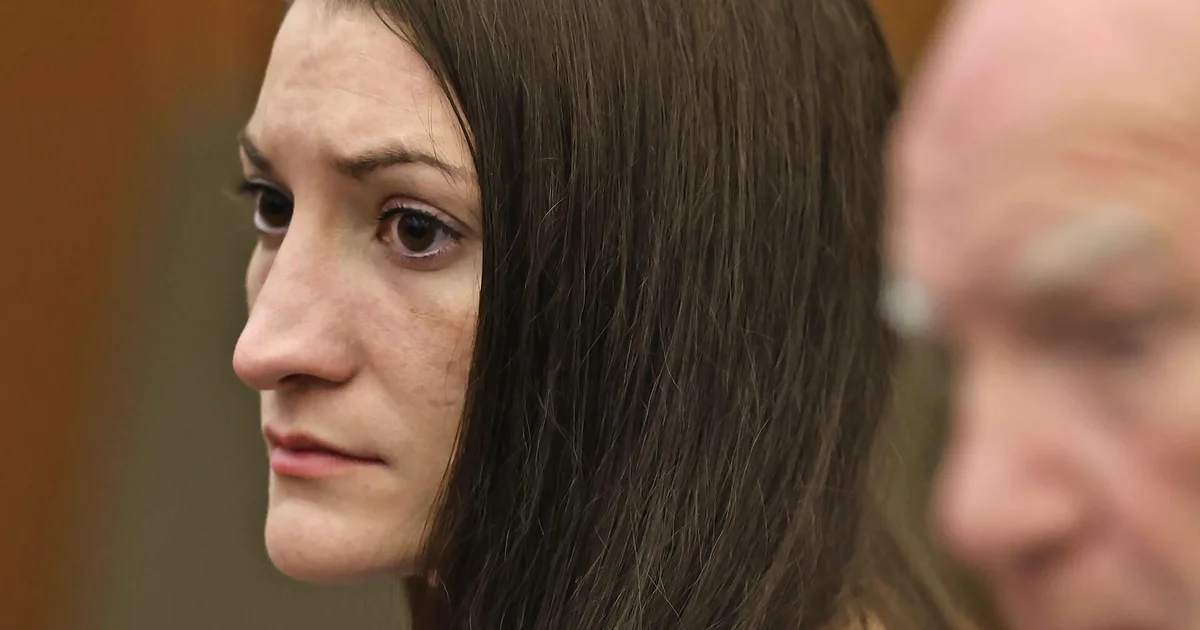
The jury in the Lindsay Clancy murder trial returned for a sixth day of deliberations on Thursday, 3 September, after twice telling a Massachusetts judge it could not reach a unanimous verdict.
The deadlock has raised the prospect of a mistrial in Plymouth Superior Court, although Judge William Sullivan has asked the nine women and three men to continue considering the case.
Clancy, a former labour and delivery nurse, has pleaded not guilty to three counts of first-degree murder over the deaths of her children, Cora, five, Dawson, three, and eight-month-old Callan, at the family home in Duxbury on 24 January 2023.
Jury given final push to reach a verdict
After the jury reported a second impasse on Wednesday, Judge Sullivan issued a Tuey-Rodriguez instruction, sometimes known as a “dynamite charge”. The direction urges jurors to listen carefully to one another and reconsider their views where appropriate, without abandoning their individual convictions simply to reach an agreement.
The panel has spent more than 29 hours weighing evidence from a trial that lasted about five weeks and included hundreds of exhibits and hours of testimony from relatives, first responders and psychiatric experts.
Legal analyst Caroline Polisi said the case appeared to be approaching “the end of the road”, warning that continued pressure on jurors could risk producing a verdict that would be vulnerable to appeal.
“I think it’s very unlikely we’re going to get a verdict,” she told CBS Mornings, adding that prosecutors would need to consider carefully whether to pursue the case again if the judge declared a mistrial.
Clancy’s lawyer, Kevin Reddington, has said he would be prepared for a second trial as soon as next week. The case was previously tried in 2024, when the jury also failed to reach a verdict, resulting in a mistrial.
Postpartum psychosis at centre of case
The defence accepts that Clancy strangled the children but argues she was not criminally responsible because she was suffering from postpartum psychosis and had been overmedicated. Prosecutors contend that she planned the killings and understood that what she was doing was wrong.
The jury can consider five possible outcomes: not guilty by reason of insanity, not guilty, first-degree murder, second-degree murder or manslaughter.
A conviction for murder or manslaughter would result in a prison sentence. If Clancy were found not guilty by reason of insanity, she would remain at Tewksbury State Hospital, where her detention would be reviewed periodically.
Clancy has been held at the psychiatric hospital for more than three years. If the current jury is dismissed without a verdict, prosecutors would decide whether to seek a retrial, pursue a different resolution or drop the charges.
The deliberations have taken place amid intense public and media interest. A 56-year-old woman was arrested outside the courthouse this week and accused of photographing jurors; she was later released on personal recognisance and ordered to stay away from the court, jurors and witnesses.
