


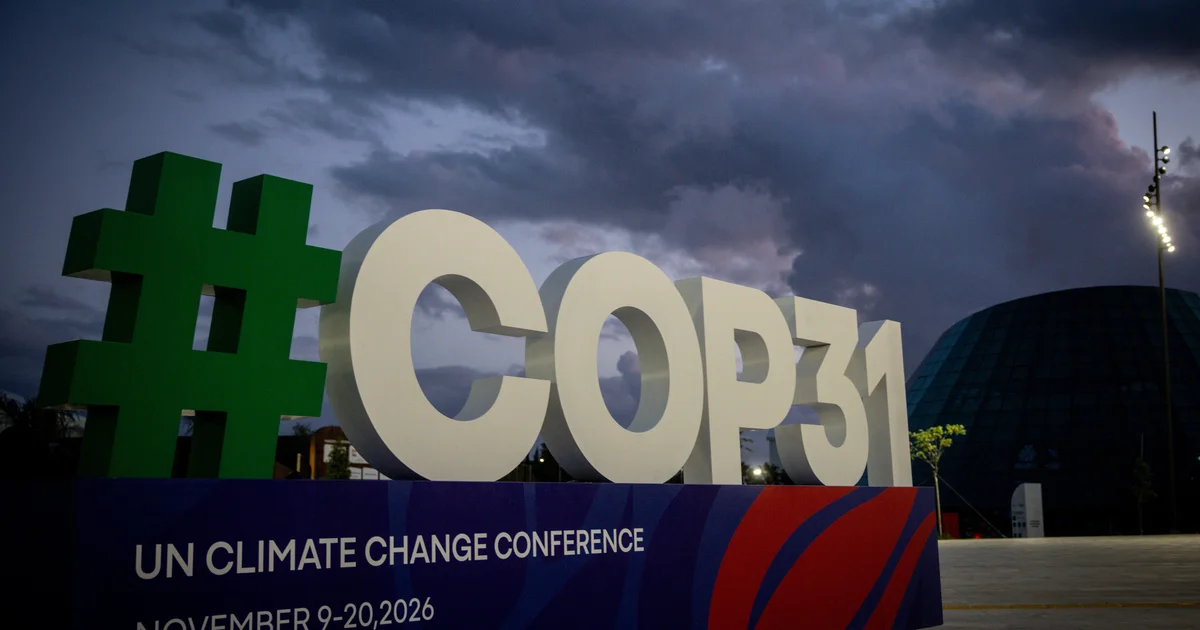
The COP31 climate conference ended without a final agreement after negotiations in Antalya, Turkey, broke down over demands to phase out fossil fuels and opposition from countries that rely on exporting them.
The collapse followed two weeks of talks involving delegations from nearly 200 countries, which continued beyond the scheduled close of the United Nations summit. The deadlock came as UN officials and scientists warned that decisions made now will shape the course of global warming.
European countries and a group of smaller nations rejected a draft text that made no explicit reference to fossil fuels. They argued that the proposed agreement was too weak and favoured countries that produce coal, oil and natural gas.
A coalition led by France and Panama, and supported by countries from Europe, Africa, Latin America and the Pacific, had called for stronger commitments on climate finance and clear language on moving away from fossil fuels.
“We cannot continue to be held hostage by petroleum producers,” Panama’s environment minister, Juan Carlos Navarro, said during the talks. He pledged that Panama would formally object to any agreement that omitted fossil fuels.
Fossil fuel phase-out removed from draft
An earlier version of the proposed agreement had called for “accelerated action to phase out fossil fuels” and an end to inefficient subsidies. It also said warming should be brought back below 1.5C as early as possible this century.
Those provisions were removed in later drafts. The final text instead welcomed proposed targets to remove billions of tonnes of carbon dioxide from the atmosphere each year by 2035, while setting ambitions for renewable energy, energy efficiency and electricity to provide more than a third of global energy by the same deadline.
Critics have argued that relying on carbon capture technology could distract from the need to reduce fossil fuel use. The agreement expressed “deep concern” about global warming and warned that every additional increase in temperatures would intensify climate-related loss and damage.
It reaffirmed the need for “deep, rapid and sustained emissions reductions”. If existing national climate plans were fully implemented, the text said, the world would face just over 2.5C of warming, although that would be lower than projections of more than 4C before the Paris Agreement.
The United States sent no representatives to the summit for the second consecutive year after the Trump administration withdrew from the Paris Agreement. The accord established the goal of limiting warming to 1.5C above pre-industrial levels, a target that has underpinned successive UN climate conferences.
Calls for action beyond negotiations
UN Secretary-General António Guterres urged governments to move away from fossil fuels, triple adaptation funding by 2035 and tax windfall profits made by fossil fuel companies to help vulnerable countries recover from disasters.
“Polluters must pay,” Mr Guterres said, warning that climate disasters could push people back into poverty and that the crisis was contributing to wider social and political instability.
Environmental advocates said the proposals at COP31 failed to match the needs of communities already experiencing the effects of climate change.
Ellen Dorsey, an environmental campaigner, said governments needed to move beyond discussions about phasing out fossil fuels. “That means no fossil fuel expansion, an end to fossil fuel subsidies, and an equitable phaseout that protects workers and communities,” she said.
Ms Dorsey said industry lobbying had increased over the past decade, including through the presence of fossil fuel interests in national delegations at UN climate talks. She added that grassroots campaigns and diplomatic efforts to encourage a transition from coal, oil and gas offered grounds for hope despite the failure to reach a final deal.
