


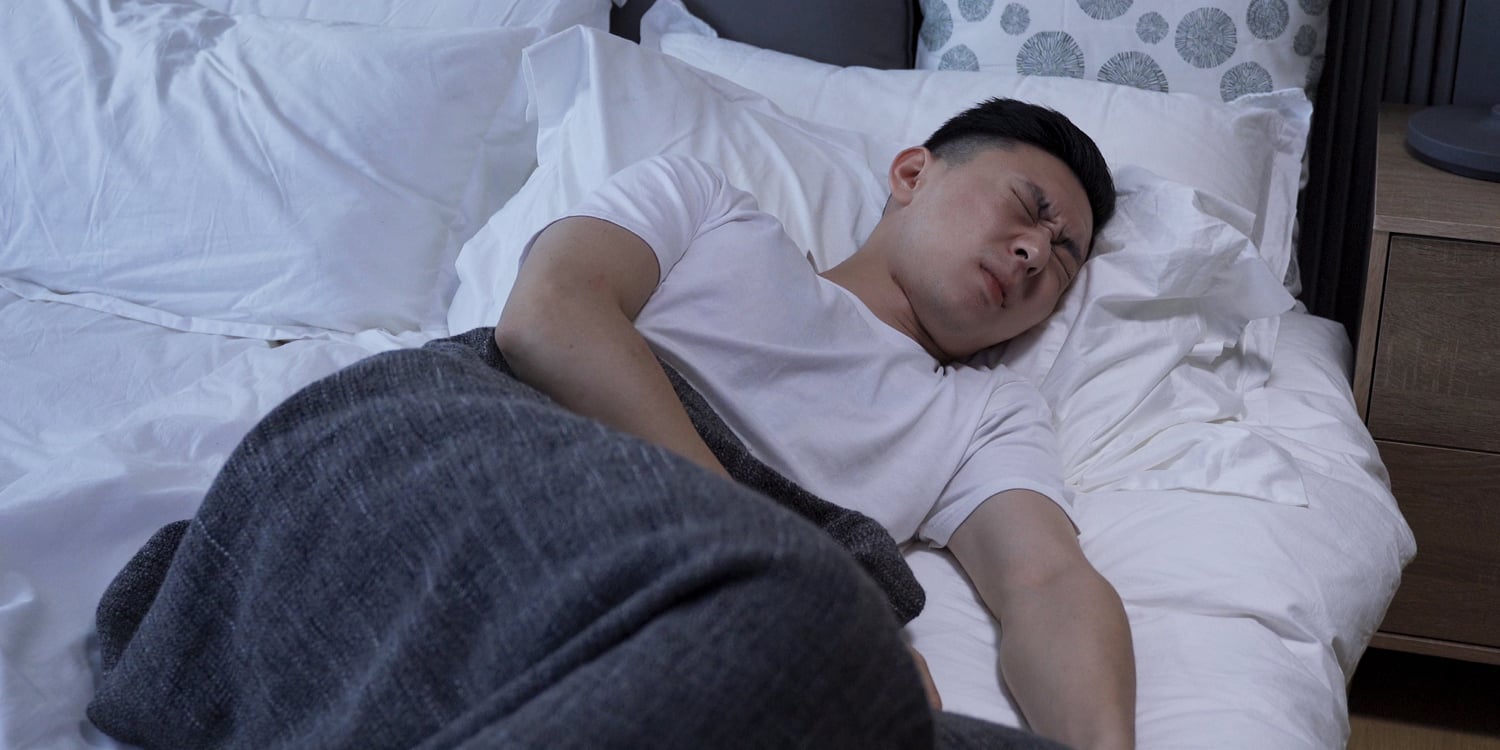
Americans who dreamed about the 2024 presidential election on election night woke to stronger negative feelings about the election and the country’s future the following morning, a study published in PLOS One reports. The pattern appeared among Democrats and, to a lesser extent, Independents, but not among Republicans.
The research sits within broader observations that large-scale events affecting entire societies can disrupt sleep and influence dreams. After the September 11 attacks and during the COVID-19 pandemic, many Americans reported dreaming more about these events and experiencing more intense dreams than usual.
Scientists have suggested that dreaming may help people process emotional experiences and regulate their responses, particularly during rapid eye movement (REM) sleep, when vivid dreams are common. During REM sleep, brain regions involved in emotional processing, including the amygdala and medial prefrontal cortex, are especially active, and emotionally significant experiences are often woven into dreams during this phase.
Some studies have found that sleep can dampen emotional reactions to previously encountered stimuli, though the findings have not been wholly consistent. Other research suggests that dreaming about emotionally charged experiences may be linked with improved mood and reduced emotional distress, especially when dreams carry more positive emotions.
Dreams may also shape how people imagine their future—both personally and for their communities or country. Research indicates that people in Western societies generally forecast a more positive personal future than national prospects, though major events such as the COVID-19 pandemic can temporarily alter these patterns. Given that dreaming may aid emotional regulation and memory processing, researchers have proposed that dreams about major collective events could influence how people emotionally interpret those events and imagine what lies ahead.
Study author William H. Livingston and colleagues examined how the 2024 election, a moment of great collective significance, manifested in Americans’ dreams. They expected many people would dream about the election that night because of its emotional weight, and they predicted that those who dreamed about it would feel less negative about the election and more positive about their own future and the country’s future the next morning.
The study drew on 931 U.S. adults recruited via the online platform Prolific. Their average age was 42, with 494 women, 434 men, and three identifying as another gender. About 43% identified as Republicans, 38% as Democrats, and 19% as Independents. Participants were paid $2.50 for completing both surveys.
Participants completed two surveys on consecutive days. The first was on Election Day morning, November 5, 2024, before polls had closed. The second occurred the next morning, between 8:00 and 9:54 a.m. Eastern time, after the Associated Press had declared Donald Trump the winner at 5:35 a.m., so all participants were aware of the outcome by then.
In the first survey, participants reported their political identity on a liberal-to-conservative spectrum and rated how they felt about the election, their personal future, and the country’s future. They also completed a standard measure of mood and, at the end, were asked to try to remember their dreams from that night.
In the second survey, participants described any dreams recalled from the previous night and whether the dreams were related to the election. They again answered questions about mood and feelings toward the election, personal future, and the country’s future.
Around 71% of participants reported a dream from election night, and 49% of those said the dream was related to the election. The researchers also employed an AI language model, GPT-4o mini, to classify dream reports, checking its ratings against human raters on a subset of dreams. It classified 44% of the reported dreams as election-related, closely matching participants’ own assessments, and nearly a quarter of all dreams directly referred to the candidates or other imagery from the 2024 election.
Simply recalling a dream did not correlate with overnight changes in how participants felt about the election, their personal future, or the country’s future. In line with the election outcome, Democrats woke up feeling more negative about the election and the future, while Republicans felt more positive. Independents’ feelings shifted only modestly.
Among those who recalled a dream, those who dreamed about the election exhibited a larger negative shift in feelings about the election overnight than those who did not dream about it. This pattern was driven by Democrats and Independents, who felt worse about the election if they had dreamed about it. Republicans felt similarly about the election regardless of dreaming.
A similar pattern emerged for feelings about the future. Democrats who dreamed about the election woke up feeling more negative about both their personal future and the country’s future. Independents who dreamed about the election felt more negative about their personal future, but not about the country’s future, while Republicans’ outlook did not depend on whether they had dreamed about the election.
Before the election, people who later dreamed about it did not differ from others in how they felt about the election or the future, although they did report more negative mood on the day itself.
Dreams that touched on the election only indirectly—such as dreams about competitions or debates, or dreams involving other elections—were linked to larger overnight changes in participants’ outlook on their personal future than dreams unrelated to the election. Dreams that directly depicted the 2024 election were not associated with such changes.
“Contrary to our expectations, dreaming about the election was associated with intensified emotions toward it, toward the personal future, and toward the collective future. These observations contradict the longstanding hypothesis that dreaming functions to reduce emotional reactivity following an emotional event, instead suggesting that dreaming about an experience is associated with greater reactivity,” the study authors concluded.
The researchers emphasise that the study is correlational and cannot establish causation. It cannot determine whether dreaming caused the shifts in mood, as factors such as deeper engagement with the election or higher exposure to coverage before bed could influence both dream content and emotional responses.
All data relied on self-reports, and sleep data were not collected. It is possible that sleep on election night was disrupted, which might have increased memory of dreams. The study also analysed only a single night, limiting conclusions about dreaming’s role in adjusting to emotional events over longer periods.
The paper, “The American dream: Election night dreams predict overnight change in feelings about the election and the future,” was authored by William H. Livingston, Adam L. Putnam, and Erin J. Wamsley.
