


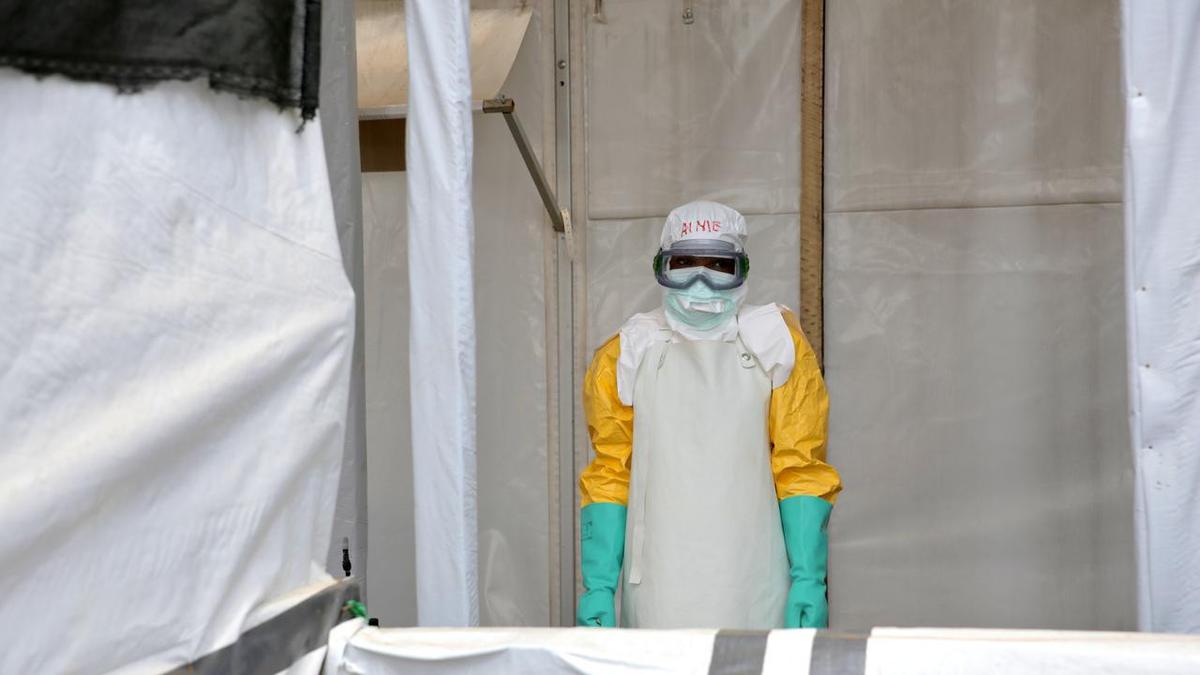
The Ebola outbreak in the Democratic Republic of Congo has passed 6,000 confirmed cases, with 2,911 deaths recorded, according to Congolese health authorities.
The epidemic, described as the fastest-growing Ebola outbreak in history, is spreading through eastern parts of the country amid insecurity, mass displacement and large-scale population movements.
More than 1,360 people have recovered, in what officials have called an encouraging sign. However, the outbreak continues to expand beyond areas covered by established monitoring and response systems.
The World Health Organisation has warned that the epidemic remains out of control and could overtake the 2014-16 Ebola outbreak in West Africa, which killed more than 11,000 people in Guinea, Liberia and Sierra Leone.
Ebola outbreak spreads across eastern Congo
Cases have now been reported across 60 health zones in six provinces, with Ituri remaining the epicentre. The latest infections have included two newly affected health zones in the region.
Response efforts have been hindered by a strike by health workers, limited access to affected communities and attacks on teams attempting to carry out investigations and safe burials.
An Ebola response team was attacked near Mambasa in Ituri province on Saturday while responding to a call to secure a body, according to a representative who spoke to the Associated Press. One team member was injured and the group was forced to leave.
The outbreak is caused by the Bundibugyo virus, a less common strain of Ebola for which there is currently no approved vaccine or specific treatment. Congolese authorities have begun vaccinating frontline workers with the Ervebo vaccine, although its effectiveness against the Bundibugyo virus in humans has not been established.
The WHO has maintained the outbreak as a public health emergency of international concern, warning that continued transmission and movement across borders could increase the risk of further spread.
