


Opposition to Flock surveillance cameras is emerging as an unlikely point of agreement between Republicans and Democrats in the United States, with governors, candidates and lawmakers demanding tighter controls or an outright ban ahead of the 2026 midterm elections.
The AI-powered number-plate readers, operated by Atlanta-based Flock Safety, allow police to build searchable records of vehicles’ movements over time. Supporters say the technology helps recover stolen cars and find missing people, but critics argue it has created a mass-surveillance network with inadequate safeguards.
Flock says its cameras are now operating in about 6,000 communities across the US, in every state except Alaska. The company has introduced new measures intended to address concerns, including reducing default data retention to seven days and making misuse detection compulsory for customers.
Those changes have done little to quiet the backlash. In Pennsylvania, Democratic governor Josh Shapiro said he would support bipartisan legislation banning the cameras statewide.
“I would welcome bipartisan legislation to ban these across the state,” Mr Shapiro said at a press conference last month. “This is not something in the public interest.”
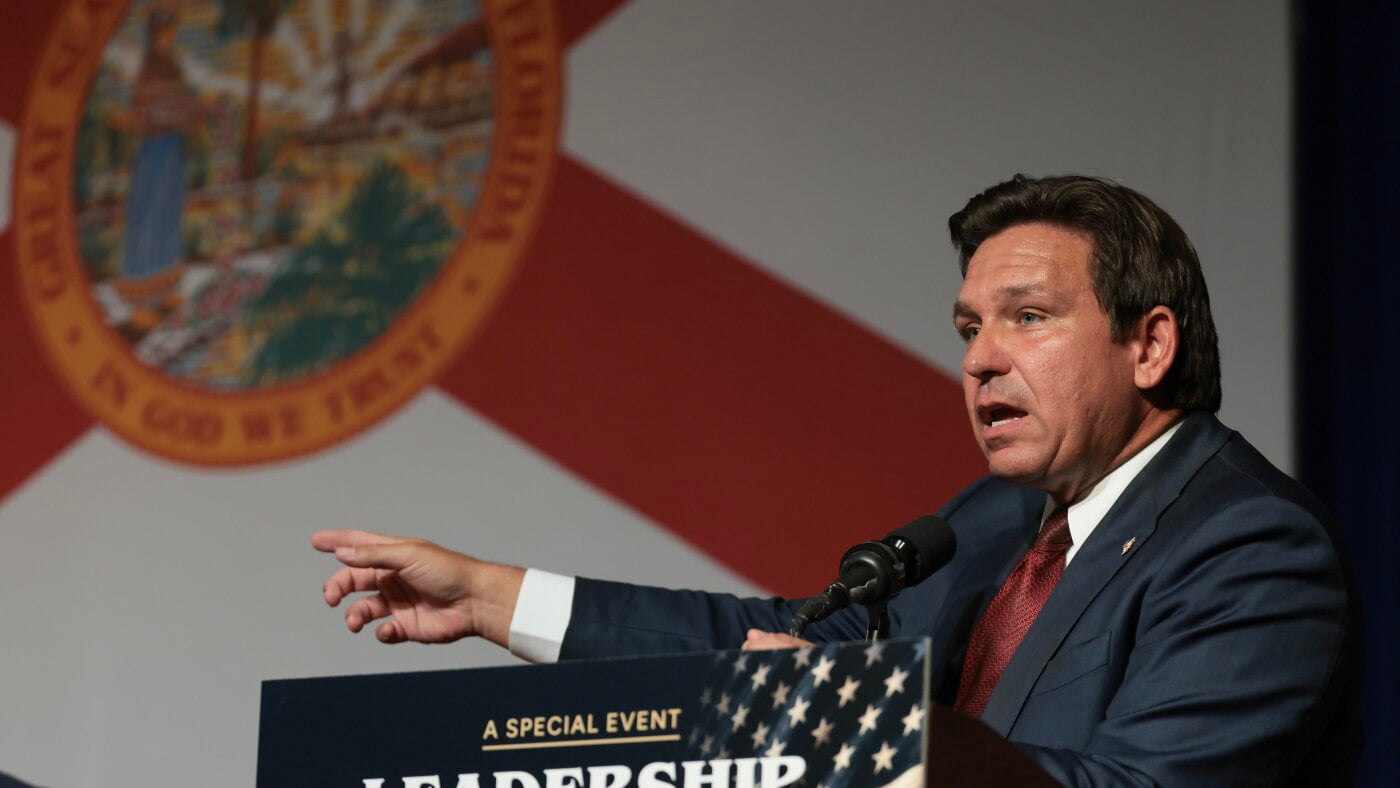
In Florida, Republican governor Ron DeSantis has taken action against the technology on state highways, ordering the removal of automated number-plate readers from highway rights of way.
“I’m all about having law enforcement have tools,” Mr DeSantis said. “But I don’t want to have this become a surveillance state.”
Texas governor Greg Abbott has also frozen state spending on the cameras, while officials in other states and cities are reviewing contracts or suspending deployments. In Dallas, police plan to cancel hundreds of cameras after the state funding decision, although neighbouring Fort Worth has said its programme will continue.
Flock cameras face bipartisan scrutiny
The issue has also reached Capitol Hill. Republican senator Josh Hawley has opened an investigation into Flock’s collection, retention and distribution of data, demanding information about camera placement, access controls, accuracy and the company’s response to alleged misuse.
Mr Hawley later widened the inquiry to other surveillance technology companies, including Motorola Solutions, Verkada and Axon Enterprise. He said the investigation would examine how private companies had acquired detailed information about Americans’ movements.
“I want law enforcement to have tools to catch offenders and keep the public safe,” Mr Hawley said. “But the surveillance network your company has constructed raises legitimate concerns about how little-known corporations possess intimate knowledge of Americans’ lives.”
The controversy has been fuelled by reports of officers using the systems improperly, including allegations that police searched the database to follow former partners. Critics have also raised concerns about the tracking of immigrants and people seeking abortions.
Flock has said its products are intended to support public safety and that the data is controlled by the agencies that buy the service. The company has defended its record while accepting that additional protections are needed.
The political arguments against the cameras differ. Progressive campaigners have focused on privacy, immigration enforcement and reproductive rights, while conservatives have warned that the systems could be used to create a national gun registry or allow excessive government intrusion.
Conservative commentator Glenn Beck has described the technology as a “panopticon”, referring to a prison design in which one guard can observe inmates without being seen.
Jay Stanley, a senior policy analyst at the American Civil Liberties Union, said resistance to Flock crossed traditional party lines because many Americans were uncomfortable with the idea of being tracked throughout their daily lives.
“Now you have to live your life with what sociologists call the third eye that is watching you,” he said. “And I think a lot of Americans don’t want to live that way.”
Recent polling suggests public opinion is turning against the cameras, with more Americans saying they disapprove of them than approve. Candidates in states including Florida, Ohio and Wisconsin are increasingly using the issue to distinguish themselves from opponents as concern over artificial intelligence and private technology companies grows.
