


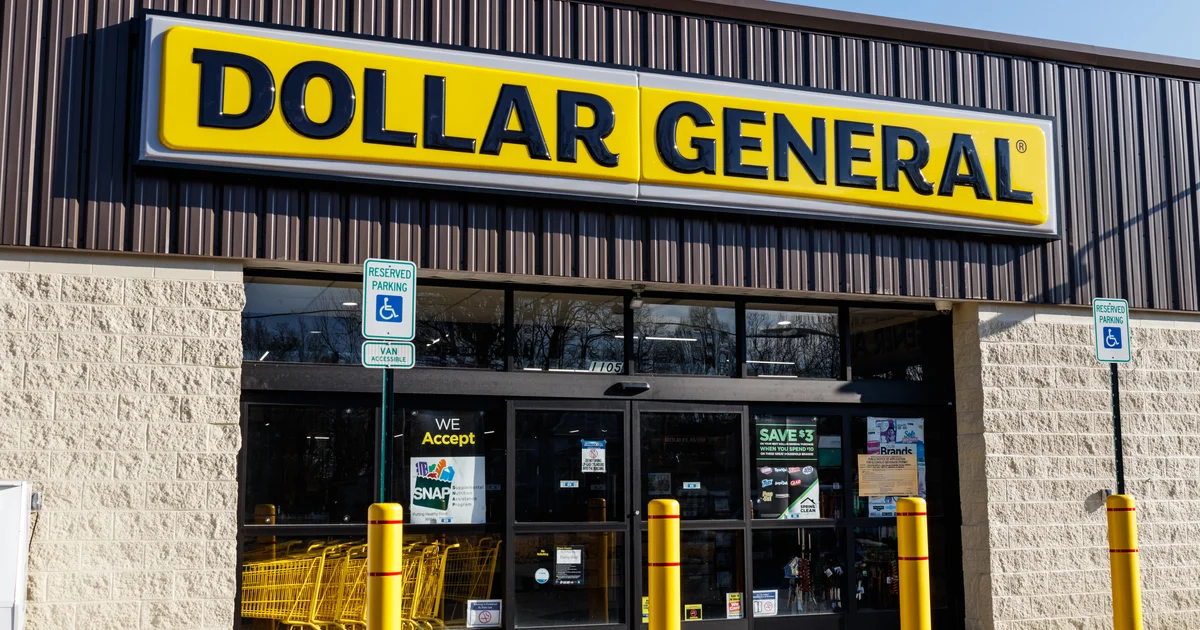
Dollar General has been sued by the US Federal Trade Commission and 20 states over allegations that the retailer charged customers more at the till than the prices advertised in its stores.
The FTC claims the chain, which operates about 21,000 shops across the US, mislabelled prices for years and extracted millions of dollars through unlawful overcharges.
The complaint, filed in the US District Court for the Middle District of Tennessee, alleges that shoppers were routinely charged more at the register than prices shown on shelves, price tags and advertisements.
The agency said the alleged practice affected millions of purchases and harmed customers who rely on Dollar General’s low prices to manage tight household budgets. It also cited thousands of complaints from consumers who said advertised prices were not honoured at checkout.
Christopher Mufarrige, director of the FTC’s Bureau of Consumer Protection, said Dollar General had “betrayed the trust of millions of American consumers” and caused significant financial harm to communities and people already struggling to make their pay cheques last.
The lawsuit accuses the company of deceptive conduct, although the claims have not been established in court. The FTC and the states are seeking a permanent injunction, as well as monetary and other relief.
Dollar General rejects allegations
Dollar General said its goal was “100% accuracy between shelf and register prices in every store”. It added that occasional discrepancies could occur despite its policies and procedures, but said store teams were instructed and expected to put matters right for customers.
The retailer said it had strengthened its price-accuracy processes in recent years and remained committed to improving them. It said it became aware of the FTC investigation in early February.
Dollar General also said FTC staff had demanded a monetary amount “untethered to — and orders of magnitude larger than — any realistic assessment” of sums linked to pricing discrepancies.
The company said it had worked in good faith to resolve the issue without litigation, including proposing what it considered a more reasonable way to calculate potential settlement amounts. It said it respected the FTC’s role but would “defend this litigation vigorously”.
