


A farmer has been fined $225,000 after being convicted of unlawfully clearing almost 950 hectares of native vegetation in central New South Wales, telling the court he was unable to document regeneration work because of fears about a fugitive believed to be hiding nearby.
Sheldon Jeffrey Dalton cleared the land at Wallanthery between May and October 2023 using machinery and fire. The area, roughly equivalent to 570 Sydney Cricket Grounds, contained habitat for the threatened malleefowl.
NSW Land and Environment Court Justice Sarah Pritchard convicted Dalton on two charges, finding that he had caused “actual environmental harm”.
Dalton admitted knowing the property contained native vegetation. He told the court he was remorseful and had never previously breached environmental laws during 40 years of farming.
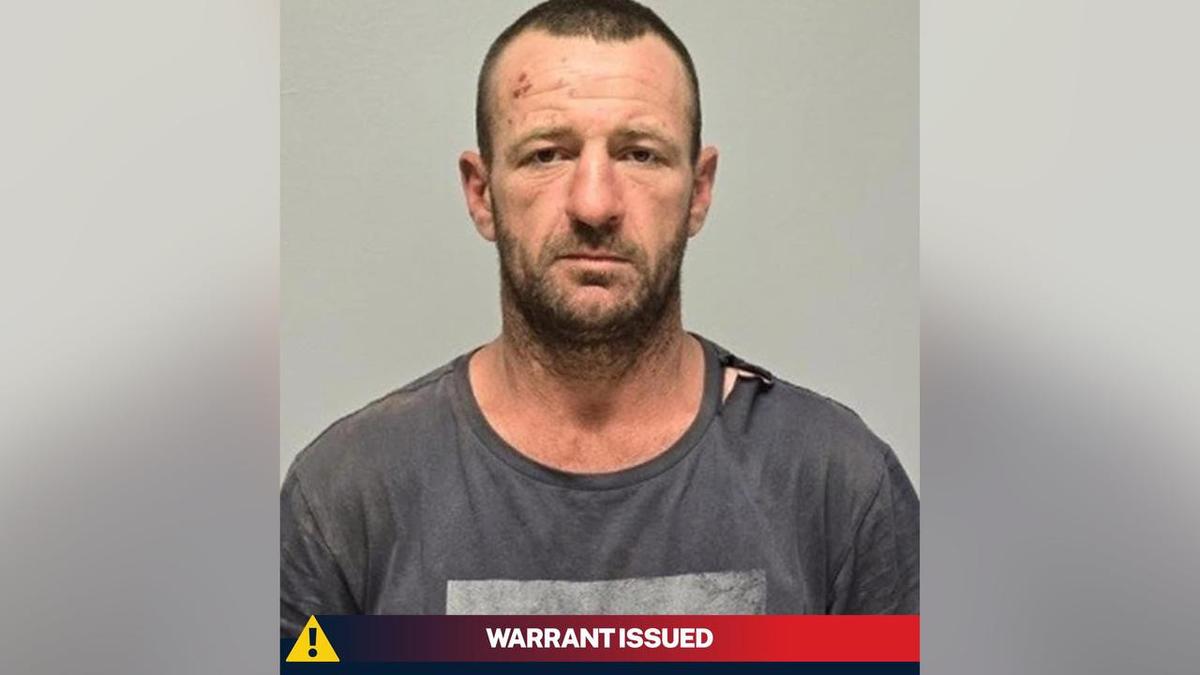
The grain farmer said he had wanted to photograph burnt areas on an adjoining property, Scotts Craig, to show efforts to regenerate the land. But he said police had told him to stay indoors because of concerns about fugitive Julian Ingram, who had previously lived on the property and was thought to be hiding in the region.
Ingram was wanted over the shooting deaths of his former partner, her unborn child, her aunt and her friend at nearby Lake Cargelligo on January 22. He remained missing for more than 100 days before his decomposed body was found in dense bushland in May.
“I was told to remain indoors and not to be anywhere in the vicinity,” Dalton said in an affidavit submitted to the court.
The court heard Dalton had engaged an agricultural business consultant to prepare a notification concerning the removal of invasive native species. It identified plants including hop bush, turpentine and white cypress pine.
However, the clearing also destroyed ecologically valuable woodland and shrubs, damaging habitat used by the threatened bird, the court was told.
Justice Pritchard ordered Dalton to pay the fine and directed that details of the offences be published in prominent notices in several rural newspapers.
She said the penalty needed to deter other producers and outweigh any potential commercial benefit from illegal land clearing.
“I am mindful that the sentences imposed should operate as a powerful factor in preventing the commission of similar crimes by those who might otherwise be tempted by the prospect that only a light penalty will be imposed,” Justice Pritchard said.
The public notice warns of “serious consequences” for clearing native vegetation and urges farmers considering removing it to consult Local Land Services.
