


Australia’s Treasury is war-gaming the economic fallout from a fresh surge in global borrowing costs, oil prices and inflation, amid fears the combination could push the world economy into recession and force governments towards austerity.
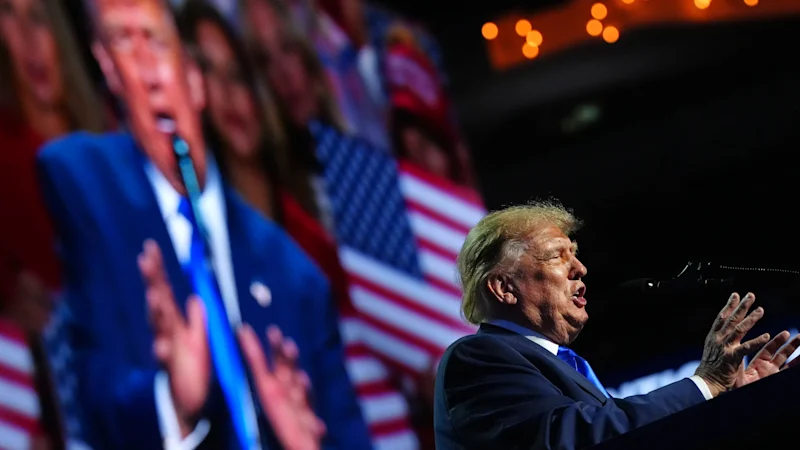
The concerns have intensified as Donald Trump proposes sending a US$5,000 (£3,900) payment to every adult American if Republicans retain control of both chambers of Congress in November. The plan, which has not been approved by Congress, could cost about US$1.3 trillion and add to the United States’ already substantial deficit. ([apnews.com](https://apnews.com/article/cc80644e3168acd31c892129fb849436?utm_source=openai))
Treasury officials are examining how higher interest rates on government debt, rising energy costs and a huge expansion in artificial-intelligence infrastructure could combine to weaken Australia and other major economies.
The department’s latest scenario planning follows earlier work on the impact of oil prices above US$100 a barrel and the economic consequences of Trump’s so-called “Liberation Day” tariffs in 2025. Treasury has also warned that disruption to energy supplies could lift inflation while weighing on global growth. ([treasury.gov.au](https://treasury.gov.au/speech/address-australian-business-economists-2026?utm_source=openai))
Markets have already begun to reflect the pressure. Interest rates on US government debt have risen sharply since late February as investors question how Washington will finance deficits expected to exceed US$2 trillion this year, despite continued economic growth.
Trump’s proposed payments would be required to be spent in the United States, raising concerns that they could add to inflation at a time when financial markets expect the Federal Reserve to keep monetary policy tight. Independent budget experts have also questioned whether the president could authorise such spending without congressional approval. ([apnews.com](https://apnews.com/article/cc80644e3168acd31c892129fb849436?utm_source=openai))
Higher borrowing costs reach Australia
Australia is already feeling the impact through the cost of servicing federal debt, which has reached about A$1 trillion. At the past three auctions of government bonds due to mature between 2034 and 2037, borrowing costs exceeded 5 per cent — the first time since 2011 that three consecutive sales had crossed that threshold.
Higher yields increase the amount taxpayers must ultimately fund through government interest payments. The Parliamentary Budget Office has forecast that interest costs will rise from 4.1 per cent of government revenue in 2024-25 to 6.2 per cent by 2029-30. ([pbo.gov.au](https://www.pbo.gov.au/publications-and-data/publications/2026-27-National-Fiscal-Outlook?utm_source=openai))
The pressure is not confined to the US and Australia. German borrowing costs have reached their highest level in 15 years, while British rates are at their highest since 2007. The ASX 200 has fallen by almost 5 per cent over the past month.
Treasury is examining whether a prolonged rise in borrowing costs could trigger spending cuts overseas. Officials are particularly wary of a repeat of the austerity policies adopted by several countries in the 2010s, when attempts to repair public finances were followed in many cases by weaker economic activity.
Treasurer Jim Chalmers said the rise in government borrowing costs around the world was being watched closely because of its potential implications for the global economy.
Westpac chief economist Luci Ellis said the disparity between Australia’s budget deficit of less than 1 per cent of GDP and the US deficit of between 6 and 7 per cent highlighted the scale of Washington’s fiscal problem.
“The one country that really needs to fix itself and end its fiscal profligacy is the United States, and that’s hard to see,” she said.
Another source of concern is the global data-centre construction boom. Artificial-intelligence companies are expected to invest about US$1 trillion this year, competing with governments and other borrowers for investors’ money.
The Reserve Bank of Australia has warned that a disorderly repricing in global sovereign bond markets could spill into the Australian financial system, tightening conditions for households, companies and banks while making it harder for policymakers to balance growth, debt servicing and inflation. ([rba.gov.au](https://www.rba.gov.au/publications/fsr/2026/mar/pdf/financial-stability-review-2026-03.pdf?utm_source=openai))
Pablo Hernández de Cos, general manager of the Bank for International Settlements, has cautioned that the speed and scale of the AI investment surge warrant close scrutiny. He compared the risk of overbuilding data centres with previous investment booms in American canals, British railways and internet companies.
A sharp reversal could be particularly damaging because households now hold more of their wealth in equities, increasing the risk that falling share prices would reduce consumer spending and deepen any downturn.
