


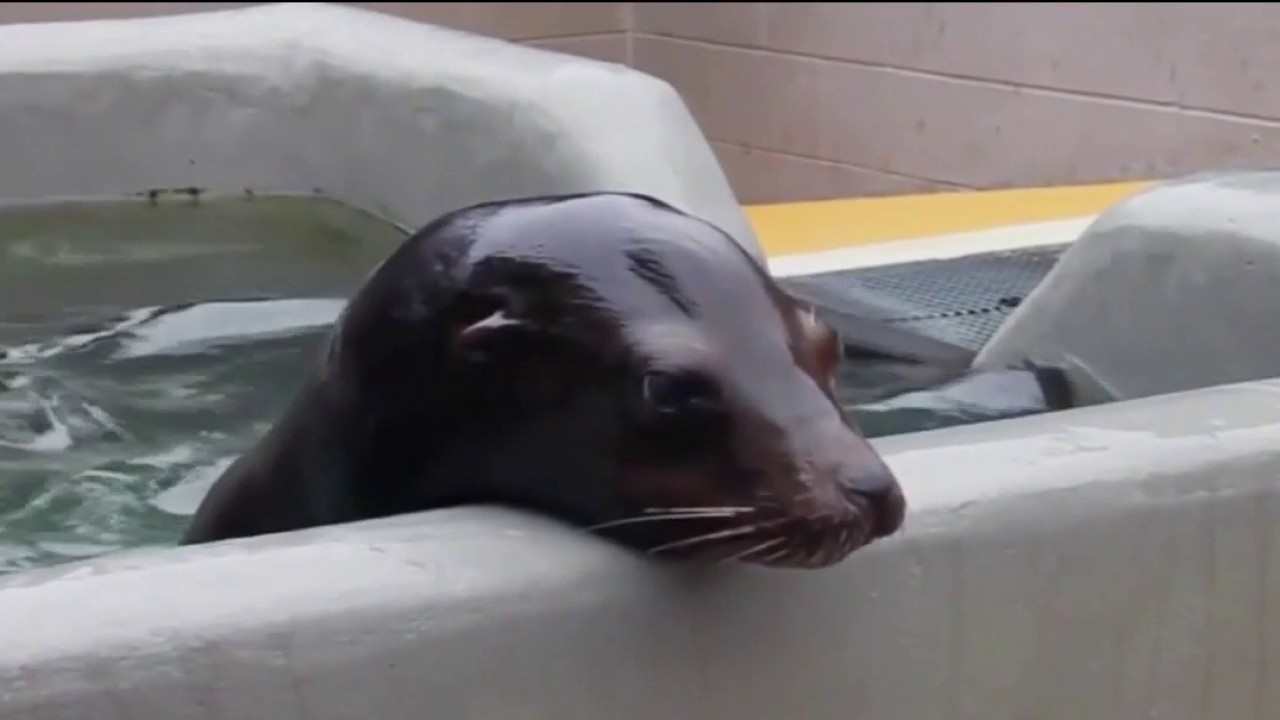
Severely ill sea lions and fur seals are washing ashore along California’s coast in unusually high numbers, overwhelming rescue teams and forcing them to prioritise the animals in most urgent need of help.
The Marine Mammal Center said the latest surge had been particularly concentrated around the Monterey Peninsula, with cases also reported in Santa Cruz, San Mateo, San Francisco, Marin and Sonoma counties.
More than 100 California sea lions have been treated for suspected domoic acid poisoning this year, exceeding the centre’s usual annual total of between 70 and 90 cases. Around 30 sea lions were rescued in a single week as the number of reports rose sharply.
Domoic acid is a neurotoxin produced by harmful algal blooms. It can build up in small fish such as sardines and anchovies before entering the food chain, causing marine mammals to become lethargic, disorientated and prone to tremors, seizures and heart failure.
Rescuers forced to triage sick sea lions
Giancarlo Rulli, a spokesman for the Marine Mammal Center, said dispatchers had been receiving as many as 600 calls a day about animals in distress. Some incidents involve animals that are seizing or dying on the beach before they can be transported for treatment.
Each rescue can require up to six trained responders, with teams sometimes administering repeated doses of anti-seizure medication. The operation is further complicated by the size of the animals, many of which weigh hundreds of pounds.
The centre said the illness had become less predictable and more intense since the first marine mammal case was diagnosed in 1998. It has treated primarily California sea lions during the current flare-up, along with a smaller number of northern fur seals.
Members of the public have been urged not to approach, touch or crowd sick animals, which may be disorientated and unpredictable. People should keep at least 150 feet away and report animals in distress to the Marine Mammal Center on 415-289-7325, or to the National Oceanic and Atmospheric Administration’s west coast stranding hotline on 866-767-6114.
