


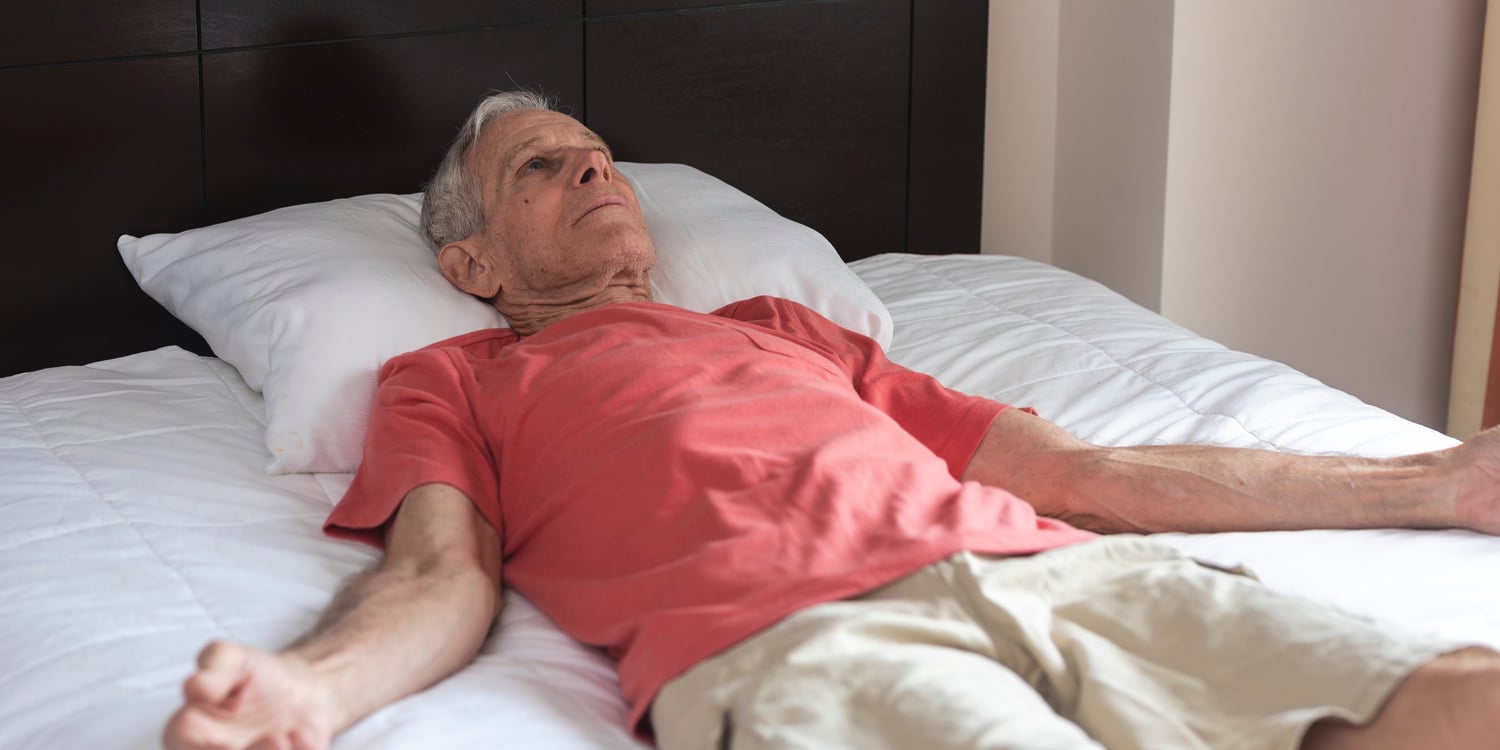
A new study in the field of psychophysiology suggests that simply lying down makes people somewhat less sensitive to pain than standing upright. The researchers propose that shifts in blood volume and blood pressure as the body adjusts to gravity may partly explain why lying flat can ease acute discomfort. They also note the finding could have implications for chronic pain, potentially contributing to inactivity, though that possibility was not tested directly in the study.
Central to the research is the idea that the cardiovascular system helps regulate how the nervous system processes physical pain. The team explains that baroreceptors—tiny sensors in the walls of major blood vessels, the heart, and lungs—respond to changes in blood pressure by sending signals to the brain. When these receptors are stretched by increased blood volume or pressure, they trigger a cascade that slows the heart, relaxes blood vessels, and activates pain-inhibiting pathways in the central nervous system.
Previous work in this area has linked higher blood pressure with reduced pain sensitivity. Early experiments in the 1990s showed that stimulating neck baroreceptors dulled pain reflexes, while later studies demonstrated that raising blood pressure could lower pain sensitivity in people with chronically low blood pressure. The new study extends this line of inquiry by examining everyday postures and their potential to modulate pain through cardiovascular mechanisms.
Lead author Gustavo A. Reyes del Paso, a full professor of psychophysiology at the University of Jaén in Spain, emphasised that the public is largely unaware that increasing blood pressure can dampen pain. He noted that “the general public is unaware that an increase in blood pressure has an inhibitory effect on pain: people with hypertension report fewer pain complaints, whereas those with chronic low blood pressure are more sensitive to pain.”
To test whether ordinary postures shift enough blood flow to alter pain perception, the researchers recruited 83 healthy university students—61 women and 22 men, average age around 20—who did not have cardiovascular conditions or chronic pain. The participants abstained from pain medication for 24 hours and avoided alcohol or vigorous exercise for several hours beforehand. Women taking oral contraceptives were excluded to avoid hormone-related confounds in blood pressure and pain sensitivity.
Participants assumed three postures: sitting, standing upright, and lying flat on their backs. The sequence began with sitting, followed by standing, then lying down, and ended with a second standing phase. Cardiovascular measurements were taken in four-minute blocks in each position, while pain responses were tested during sitting, lying down, and the second standing phase. The study protocol was publicly registered before data collection began.
Pain was assessed with a computer-guided pressure algometer applied to a one-square-centimetre area on the left thumbnail. The team recorded two behavioral thresholds: the pain threshold—the pressure at which pain was first felt—and the pain tolerance—the maximum pressure endured. They also delivered five-second pressure stimuli ranging from 1.5 to 4 kilograms per square centimetre, with participants rating each sensation on a 10-centimetre visual analogue scale from painless to extremely painful.
Physiological data included chest electrodes for electrocardiography, an impedance cardiogram to estimate blood flow, and continuous finger blood pressure sensors calibrated with an upper-arm cuff. From these readings the researchers derived systolic blood pressure, stroke volume, cardiac output, total peripheral resistance, and baroreflex sensitivity, the last indicating how effectively the heart adjusts its rhythm in response to blood pressure shifts.
The results supported the hypothesis that lying down dulls pain sensitivity compared with standing. On average, participants showed higher pain thresholds when lying down than when standing, and their maximum pain tolerance was higher while lying as well as in comparison with standing and sitting. While the overall average threshold varied only modestly—roughly 3.4 to 3.6 kilograms per square centimetre—the small differences’ clinical relevance remains uncertain, the authors caution.
When pain intensity was rated at the highest pressure (4 kilograms per square centimetre), participants described the sensation as more painful while standing than while sitting or lying down. At lighter pressures (1.5 to 2.5 kilograms per square centimetre), ratings were marginally higher for lying down than for sitting, though these pressures may not have been perceived as painful by many participants, the researchers note.
Cardiovascular measurements confirmed substantial postural effects. Moving from sitting to the first standing phase reduced systolic blood pressure and stroke volume, while lying flat raised systolic blood pressure and stroke volume, with baroreflex sensitivity nearly tripling from standing to lying down. The team interprets this as stronger activity of the baroreceptor–nervous system pathway that slows the heart and promotes pain inhibition when lying supine.
Baseline cardiovascular traits also influenced pain responses. Mean arterial pressure measured while seated was inversely linked to pain intensity ratings—the higher the resting blood pressure, the less painful the stimulus tended to feel. Across the group, total peripheral resistance correlated positively with both pain threshold and pain tolerance, suggesting that tighter blood vessels may play a role in dampening pain. Other measures, such as stroke volume or heart rate, showed no consistent links to pain across postures.
The study also uncovered gender differences. Men displayed higher overall blood pressure, greater vascular resistance, and higher pain thresholds and tolerance than women, though both sexes reported similar subjective pain intensity. In men, higher blood pressure correlated with higher pain threshold (correlation coefficients between 0.43 and 0.47); this association was not statistically significant in women, though the male subsample was smaller, consisting of 22 participants.
Interpreting the findings, the authors suggested that lying down appears to be a practical, instinctive response to acute pain, driven by improved venous return to the heart and more robust activation of pain-blocking baroreceptors. At the same time, they warned that the mechanism could have unintended drawbacks for people with chronic pain.
“The reduction in pain during lying down could be a mechanism explaining the typical sedentarism and low physical activity in chronic pain patients, in which bed rest is considered counterproductive for pain rehabilitation, as this inhibitory effect can negatively reinforce inactivity by reducing pain,” Reyes del Paso explained.
He added: “If you feel an acute pain, the maintenance of a lying down posture will help alleviate the pain. However, if a person suffers from chronic pain, he/she should avoid the frequent use of a supine position, because it reinforces inactivity and in the medium and long term can aggravate the pain problem.”
The researchers acknowledge several caveats. Their sample comprised young, healthy students with generally normal resting blood pressure, and women outnumbered men. Since the pain-dampening effects of blood pressure are typically strongest in those with elevated or high-normal blood pressure, the observed effects may differ in older adults, people with hypertension, or chronic pain patients. The study did not test whether postural changes within individuals explained changes in pain, and baseline cardiovascular traits were measured while seated rather than across postures. Participants also experienced the postures in a fixed order, which may have influenced the results, particularly the second standing phase where blood pressure did not drop as much as during the first standing phase, potentially weakening the observed postural effect on pain.
Looking ahead, the authors plan to replicate the study in clinical populations, including individuals with fibromyalgia or chronic back pain, to explore whether these postural mechanisms operate similarly in those groups. The full authors of the study are Gustavo A. Reyes del Paso, Dolores Santiago, Belén Moreno, Casandra I. Montoro, Stefan Duschek, and Dmitry M. Davydov.
