


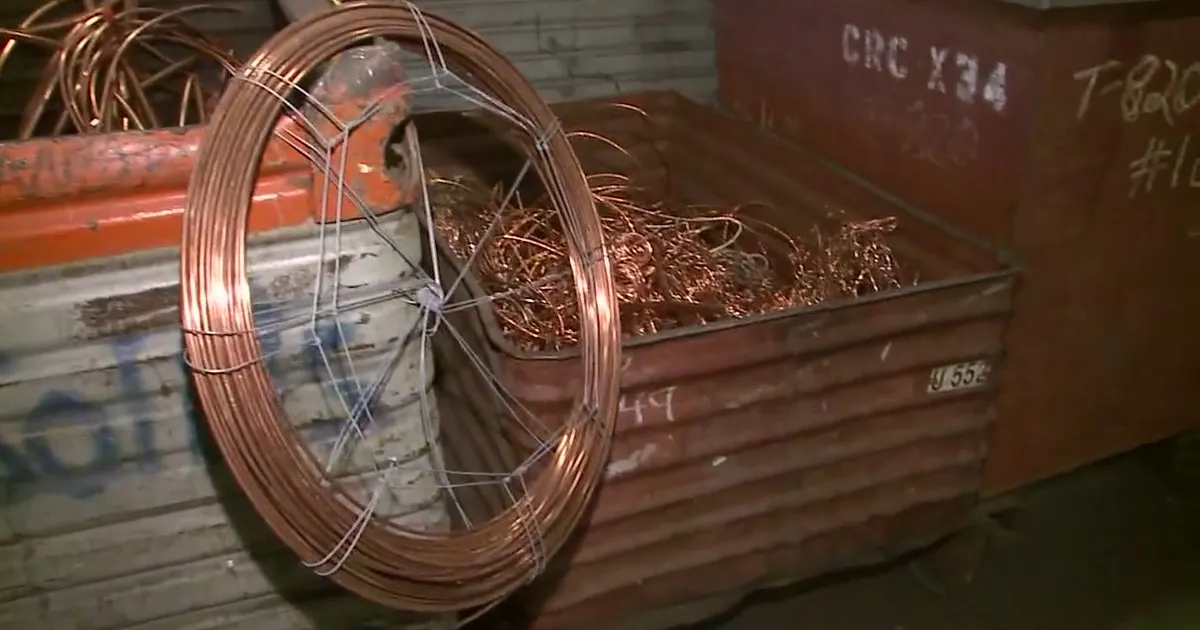
King County prosecutors are pushing for tougher copper wire theft legislation after a series of raids on businesses and public infrastructure left owners facing repair bills many times higher than the value of the metal taken.
Prosecuting Attorney Leesa Manion is working with Washington’s attorney general, Sound Transit and state lawmakers on measures intended to make it harder for stolen copper to be sold and easier for investigators to trace.
Businesses and public infrastructure targeted
In Seattle’s Ballard neighbourhood, thieves have repeatedly targeted businesses including the Lockspot Cafe and the National Nordic Museum. Some owners say they have been forced to take turns keeping watch overnight because they cannot afford repeated damage to their premises.
The problem has also affected roads, street lighting and transport infrastructure. In one case, prosecutors allege that Gregory Wayne Galitzeck posed as a Seattle City Light employee while removing wire from the West Seattle Bridge.
The stolen copper was valued at about $1,000, but repairs to the damaged streetlights are expected to cost close to $100,000, according to prosecutors. Galitzeck, 47, was charged with first-degree malicious mischief, first-degree criminal impersonation and carrying a dangerous weapon.
He was released without bail in June, according to court records, but failed to appear for his arraignment in July. A bench warrant was issued and his current whereabouts have not been publicly confirmed.
The King County Sheriff’s Office recorded 241 copper theft cases in 2025, according to figures reported by local authorities.
Proposed controls on scrap metal sales
Washington already requires scrap metal businesses to keep records of transactions involving non-ferrous metals and to obtain a signed declaration from sellers stating that the material is not, to the best of their knowledge, stolen.
However, an earlier attempt to tighten the rules failed to become law. The latest proposals would require scrap dealers to photograph the metal and any identifying marks, upload transaction information to a database approved by the Washington State Patrol and impose tougher penalties on businesses that knowingly handle stolen copper.
A 2026 Senate bill on protecting critical infrastructure also proposed civil penalties of up to $10,000 for a first offence involving stolen copper used in telecommunications cable, rising to $20,000 for a second offence. A third violation could lead to the loss of a business licence.
The legislation would further create a new offence covering the intentional destruction of critical communications infrastructure, with a maximum penalty of five years in prison and a $10,000 fine.
Manion is expected to provide further details about the proposed reforms, alongside updated figures on copper theft across the county, in an address at the King County Courthouse.
