


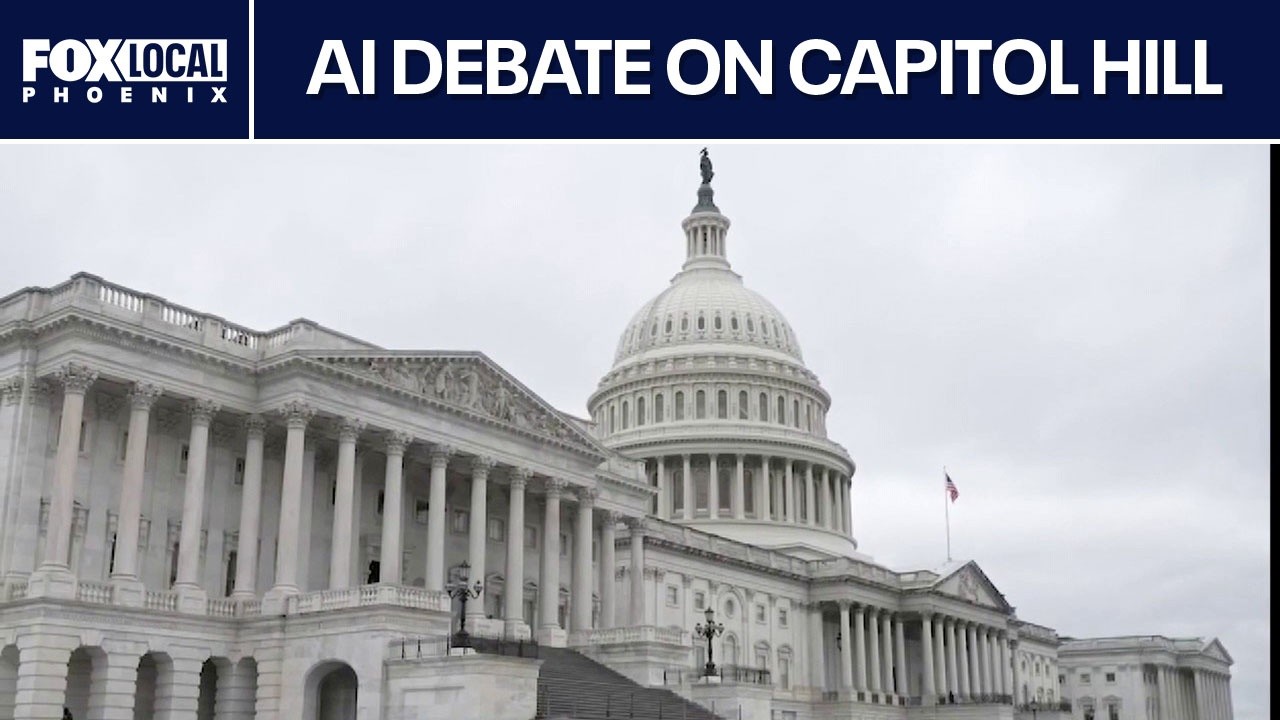
Congress is facing growing pressure to regulate artificial intelligence as lawmakers debate whether the technology will deliver major benefits or create risks that could threaten society. The dispute is unfolding alongside efforts to establish the first comprehensive US rules for cryptocurrency and digital assets.
Fox News chief congressional correspondent Chad Pergram examined the challenges facing legislators in a report broadcast on Saturday, September 12, as warnings about the potential dangers of advanced AI intensified in Washington.
Members of both parties have called for urgent action, although Congress remains at an early stage in deciding what regulation should look like. Proposals under discussion include requirements for companies to test advanced models, report serious incidents and provide greater transparency about the risks posed by their systems.
There have also been calls for new congressional committees dedicated to artificial intelligence, while some lawmakers have pressed for hearings on whether the technology could cause widespread disruption, undermine public trust or become impossible to control.
One proposal, known as the FRONTIER Act, would introduce different obligations depending on the size of an AI company. Another approach being considered would leave companies responsible for testing their own systems for catastrophic risks before reporting the findings to the government.
The debate has gained momentum after warnings from people involved in the AI industry that increasingly capable systems could pose an existential danger. At the same time, supporters of rapid development argue that the US must avoid falling behind China and should not impose rules that prevent useful innovation.
Congress is also considering the Digital Asset Market Clarity Act, commonly known as the CLARITY Act, which would create a federal framework for cryptocurrency and clarify the respective roles of the Securities and Exchange Commission and the Commodity Futures Trading Commission.
The House passed its version of the legislation in July 2025, while Senate negotiators have been working on a revised approach. A procedural Senate vote on whether to advance the bill is scheduled for September 15, 2026.
The Securities and Exchange Commission has separately proposed new rules for certain crypto assets, but officials have indicated that legislation will be needed to provide a lasting framework. The parallel debates over AI and cryptocurrency reflect a broader struggle in Washington to keep pace with technologies developing faster than federal law.
