


US state ballot measures are attracting at least $400 million in television advertising as voters prepare to decide issues ranging from billionaire taxation and redistricting to transgender rights, abortion access and election rules.
The 145 measures being considered across 39 states include campaigns backed by prominent political figures, prospective presidential contenders and wealthy donors. Their themes also reflect changing priorities in US politics, with fewer abortion initiatives than in 2022 but a record number of measures concerning transgender issues.
California billionaire tax becomes costliest contest
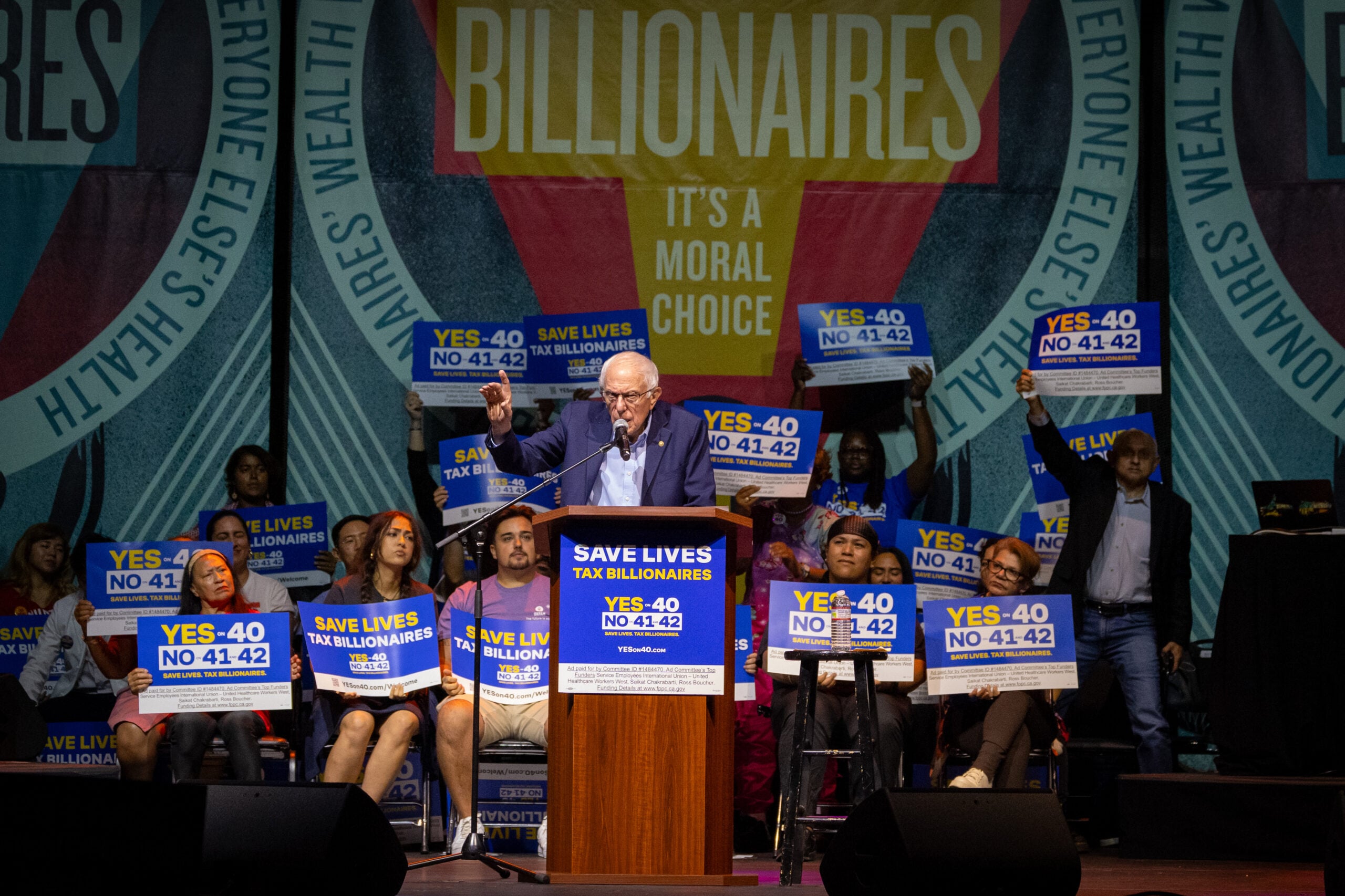
California’s Proposition 40 is the most expensive and heavily contested measure on the ballot. It would impose a one-off 5% tax on the state’s billionaires, with $92 million already spent on television advertising, most of it opposing the proposal.
Technology investor Peter Thiel and Google co-founder Sergey Brin are among the wealthy opponents who could face significant liabilities if the measure passes. Bernie Sanders and Ro Khanna are backing the campaign in favour.
Governor Gavin Newsom, who is seen as a potential 2028 presidential candidate, has opposed Proposition 40 while seeking to present himself as a populist through a proposal for a national tax increase on billionaires.
A poll earlier this month put support for the measure at 46%, below the majority required for it to pass. Mr Newsom and Mr Brin are also supporting Proposition 42, which would cancel the wealth tax if both measures pass and it receives more votes.
Redistricting battles draw presidential attention
Redistricting is another major focus of the ballot campaigns. In Maryland, Governor Wes Moore is promoting a constitutional amendment that would allow the state legislature to redraw boundaries in a way that could make the state’s only Republican-held House seat safely Democratic.
Mr Moore, another potential 2028 presidential contender, is following the example of California, where a redistricting referendum passed last year and is expected to benefit Democrats in five House seats. Former president Barack Obama has appeared in an advertisement supporting the Maryland proposal.
Missouri voters will decide whether a Republican redistricting plan can be used in future elections after Democrats won a legal challenge to the proposal. The plan would have removed a Democratic-held seat in the Kansas City area, represented by Emanuel Cleaver.
The campaign opposing the referendum said it had raised $6 million earlier this month, including substantial support from Democratic donors such as LinkedIn co-founder Reid Hoffman and Illinois Governor JB Pritzker.
Transgender rights and abortion on state ballots
Six measures concerning transgender issues are being put to voters across Colorado, Missouri, Washington, Arizona and Nebraska. They would either prohibit gender-transition surgery for minors or restrict transgender girls’ access to girls’ sports.
The measures form the largest number of LGBTQ-related ballot questions in a year since the Supreme Court legalised same-sex marriage in 2015, and mark the first time multiple states have voted on initiatives focused on transgender issues.
Abortion access proposals are being considered in Nevada and Virginia, where measures would add protections to the states’ constitutions. Idaho voters will consider a statutory change that would override the state’s near-total ban, although the Republican-dominated legislature could overturn it if it passes.
Missouri is also considering a proposal that would repeal the abortion-rights constitutional amendment approved by voters in 2024 and restore a near-total ban. The measure would also prohibit gender-transition surgery for minors.
Abortion-rights groups have spent $22.5 million on television advertising, compared with $8.7 million by anti-abortion groups, with most of the spending concentrated in Missouri.
Voting rules also face decisions
More than a dozen measures would set rules for the administration of future elections. Voters in seven states could approve requirements for valid identification at polling stations, while six states will consider wording that would explicitly state that only US citizens may vote.
Massachusetts voters will decide whether to adopt a top-two non-partisan primary system similar to California’s. In Alaska, voters will consider ending the state’s top-four primary and ranked-choice voting systems in favour of traditional party primaries and first-past-the-post voting.
