


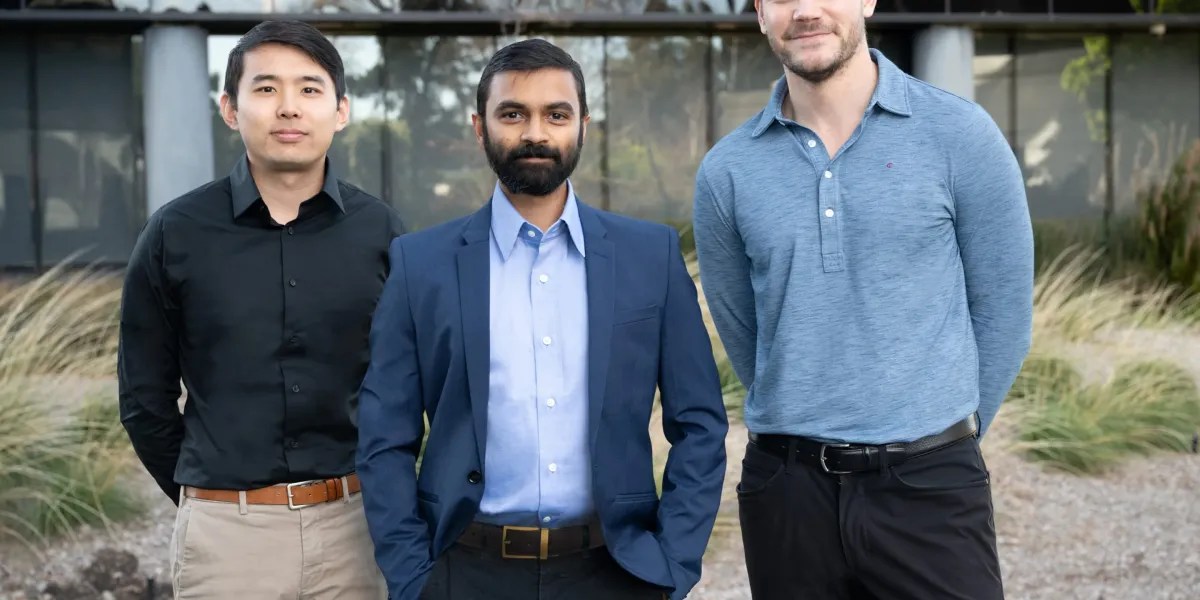
Legal AI startup Eve has expanded rapidly among small plaintiff-side law firms, with more than 350,000 cases now managed on its platform and revenue up sixfold year on year.
The San Mateo-based company, co-founded and led by chief executive Jay Madheswaran, provides case-management tools intended to help firms representing individuals pursuing claims against larger companies and insurers.
Eve said the number of cases handled through its platform had risen by about 75% since June, reaching more than 350,000 across almost 2,000 plaintiff law firms by the end of September. More than 50,000 cases had closed, producing settlements and judgments worth over $3.5 billion.
Plaintiff firms often work on a contingency basis, meaning they are paid only if a client wins. That can make smaller cases difficult to take on, particularly when firms face opponents with substantially greater financial resources.
“This side of the market has been historically [and] drastically underserved,” Mr Madheswaran said, adding that “most of these firms are tiny”.
Rather than concentrating on a single stage of legal work, Eve has built an end-to-end platform designed to reduce the time lawyers spend across the life of a case. The company says this can allow firms to handle more work using their existing resources.
“We’re finally giving David a slingshot,” Mr Madheswaran said.
Eve’s growth attracts major technology investors
The company is operating in an increasingly competitive legal technology market. Harvey, valued at more than $15 billion, focuses mainly on large law firms and corporate legal departments, while EvenUp and Supio also serve plaintiff-side practices.
Eve secured $103 million in Series B funding in 2025 at a valuation of more than $1 billion. Spark Capital led the investment, joined by Andreessen Horowitz, Lightspeed Venture Partners and Menlo Ventures.
David Haber, a general partner at Andreessen Horowitz, said Eve’s business was “just like really, really inflecting”. The company has grown to 275 employees, almost 40% more than in June.
Mr Haber said the platform’s purpose was particularly significant for lawyers representing people who may have been wrongfully dismissed or injured at work and were taking on corporations or insurers with much deeper resources.
“What happens when David gets AI?” he said. “It evens the freaking playing field.”
