


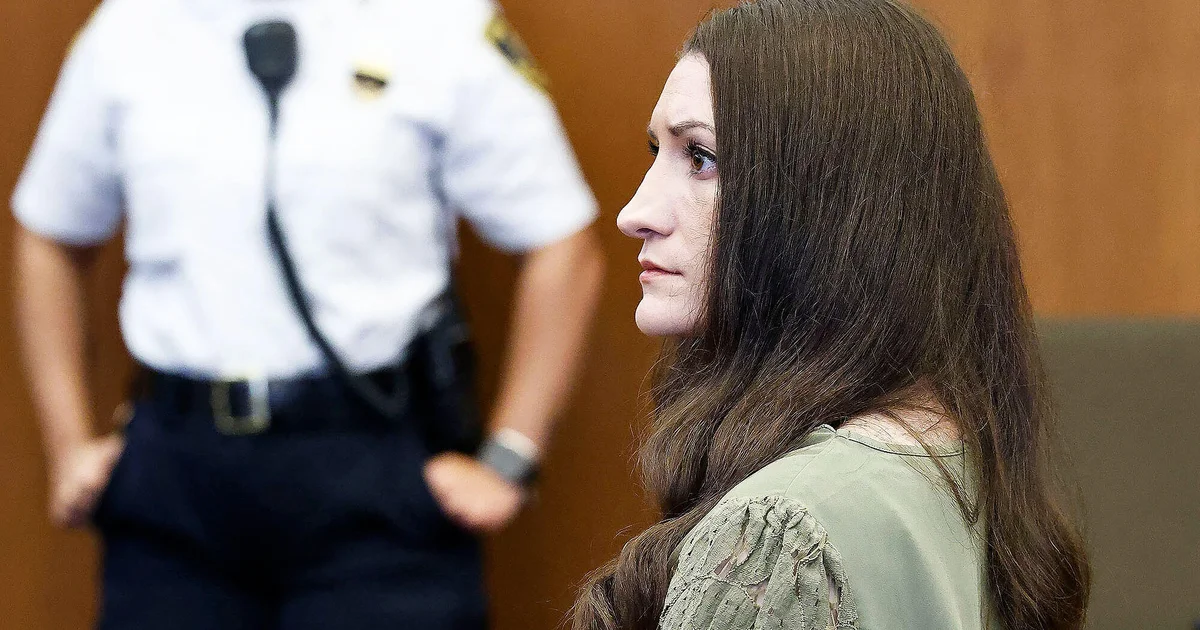
The Lindsay Clancy murder trial in Massachusetts has ended in a hung jury, with Judge William Sullivan declaring a mistrial after jurors failed to reach a unanimous verdict.
The decision in Plymouth Superior Court on Friday followed seven days of deliberations over whether Ms Clancy was criminally responsible for the deaths of her three children in 2023.
However, the mistrial declaration was immediately put on hold after defence lawyer Kevin Reddington requested time to make an emergency appeal to the Massachusetts Supreme Judicial Court.
Judge Sullivan granted the defence one hour to file a petition asking a single justice to intervene. The jury was kept in its room while the application was prepared and was not told the reason for the delay.
Mr Reddington argues that the case has been affected by the failure to remove a juror whom he claims refused to apply the court’s instructions on reasonable doubt.
The dispute emerged after the jury foreperson told the judge that one member of the panel had acknowledged having doubts but would not apply them when deciding the verdict. The judge questioned jurors individually and declined to remove the member, saying the note did not establish that the juror was refusing to follow the law.
On Friday, Judge Sullivan again rejected a request to question or dismiss the juror, reminding the panel that it must follow the law as given to it, whether or not members agreed with the instructions.
If the Supreme Judicial Court does not intervene, the mistrial will be formally confirmed. The case could then be brought to trial again, although prosecutors would also have the option of dropping the charges or seeking a negotiated resolution.
Ms Clancy, a 36-year-old former labour and delivery nurse, has not denied strangling her children. Her defence has argued that she was suffering from bipolar disorder and postpartum psychosis at the time and should not be held criminally responsible.
Prosecutors have argued that she understood her actions and deliberately arranged for her husband to leave the family home before the killings. The jury was asked to decide whether she was criminally responsible and, if so, whether she was guilty of murder or manslaughter.
A mistrial is not an acquittal, and the charges remain unresolved. A second trial would require prosecutors to present the case again before a new jury.
