


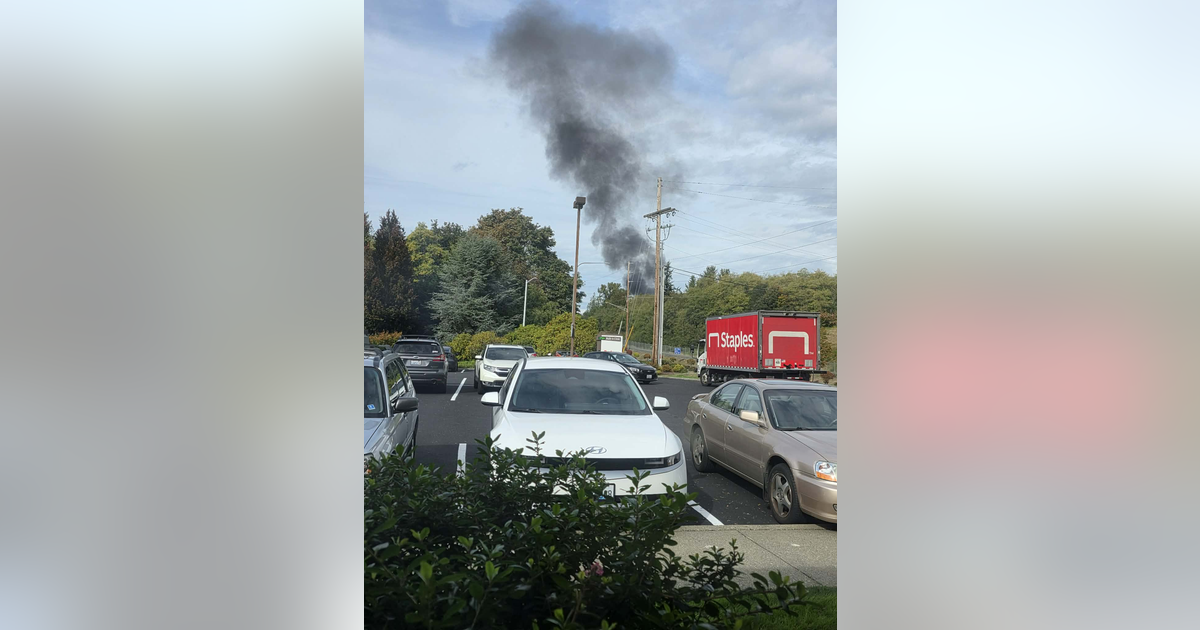
One person has died after a Glasair aircraft crashed shortly after taking off from Paine Field in Everett, Washington, on Thursday afternoon, 1 October.
The aircraft went down at about 2.48pm in a wooded, undeveloped area around 750ft from the airport’s main runway. It caught fire on impact, but the flames were quickly extinguished by Paine Field firefighters.
The sole occupant was pronounced dead at the scene. Officials have not yet released the pilot’s identity, pending positive identification by the Snohomish County medical examiner.
The main runway was closed for about an hour while emergency crews attended the crash site. Firefighters from Mukilteo and South County also assisted with the response.
NTSB examines wreckage and flight data
The National Transportation Safety Board said its investigation remained in the fact-finding stage and that it was not yet drawing conclusions about what caused the crash. The Federal Aviation Administration is also involved in the inquiry.
An NTSB investigator has been documenting the scene and examining the aircraft. The wreckage is due to be recovered and taken to a secure facility for further evaluation.
Investigators are expected to review air traffic control communications, radar and flight-track data, weather conditions, witness accounts and any available surveillance footage. They will also examine the pilot’s recent flying history, licence and ratings, electronic devices, and the aircraft’s maintenance records.
A preliminary report is expected within 30 days of the crash. The final report, which will set out the probable cause and any contributing factors, could take between 12 and 24 months.
Glasair aircraft used by amateur-built aviation community
The aircraft involved was a Glasair, a high-performance design associated with the experimental and amateur-built aviation community.
Dick Knapinski, communications director for the Experimental Aircraft Association, said some Glasair models were capable of travelling at more than 200mph, depending on their engine configuration. He said the higher speeds meant pilots had to respond more quickly when problems arose.
Chris Seto, a flight instructor and owner who builds and flies experimental aircraft, said the term “experimental” could give a misleading impression. The designation does not necessarily mean an aircraft is an untested prototype or a one-off project, he said.
Amateur-built aircraft must undergo inspections before being authorised to fly and remain subject to continuing inspection requirements. Their pilots must hold the same types of pilot certificate as those flying comparable factory-built light aircraft.
Members of the experimental aircraft community are now waiting for investigators to establish what happened during the take-off. Mr Seto said the priority should be to understand the circumstances of the crash so pilots and builders could learn from it.
