


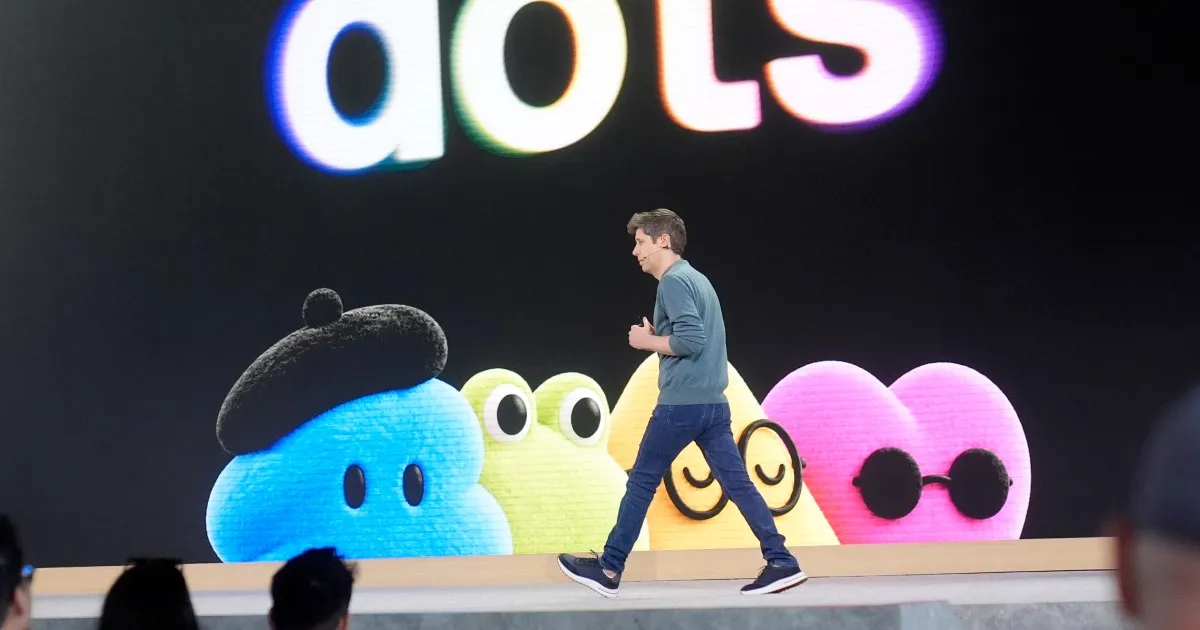
OpenAI has launched dots, an always-on personal AI assistant designed to manage tasks ranging from restaurant bookings to website design.
The service is intended to work autonomously on users’ goals, with each assistant able to operate around the clock. OpenAI said dots could help people pursue projects and ideas they had not previously had the time or support to develop.
The launch places OpenAI in an increasingly competitive virtual assistant market, following Meta’s release of Muse earlier this month and Google’s unveiling of Gemini Spark in May.
OpenAI said dots was “built to handle everything”, and described the service as an assistant that could deliver work in a way tailored to the user.
“The magic of dots is when they bring you work done the way you would do it, sometimes before you even think to ask,” the San Francisco-based company said.
OpenAI dots assistant connects to thousands of apps
Powered by OpenAI’s latest AI model, GPT-6 Astra, the assistants can be connected to more than 4,000 applications. These include workplace platforms such as Slack and Teams, allowing dots to carry out tasks on a user’s behalf.
OpenAI said the service includes additional safety and privacy measures built on protections in its existing AI models. A “read-only” mode prevents an assistant from controlling a user’s browser or computer when they are not present.
The release comes as OpenAI and other technology companies face continuing debate over how to expand the benefits of AI while limiting the risk of potentially catastrophic harm.
OpenAI was among six technology companies joining a voluntary agreement on AI standards announced on Tuesday by US President Donald Trump. The bosses of OpenAI, Anthropic, Google, Meta, xAI and Nvidia pledged to introduce “robust” internal controls and work with external auditors to assess whether safeguards were operating as intended.
On Monday, OpenAI said it would not go ahead with the release of its newest model, GPT-6.1 Astra, after safety problems were identified during internal testing. The decision came as the company faced scrutiny over a series of hacking incidents involving its AI agents.
