


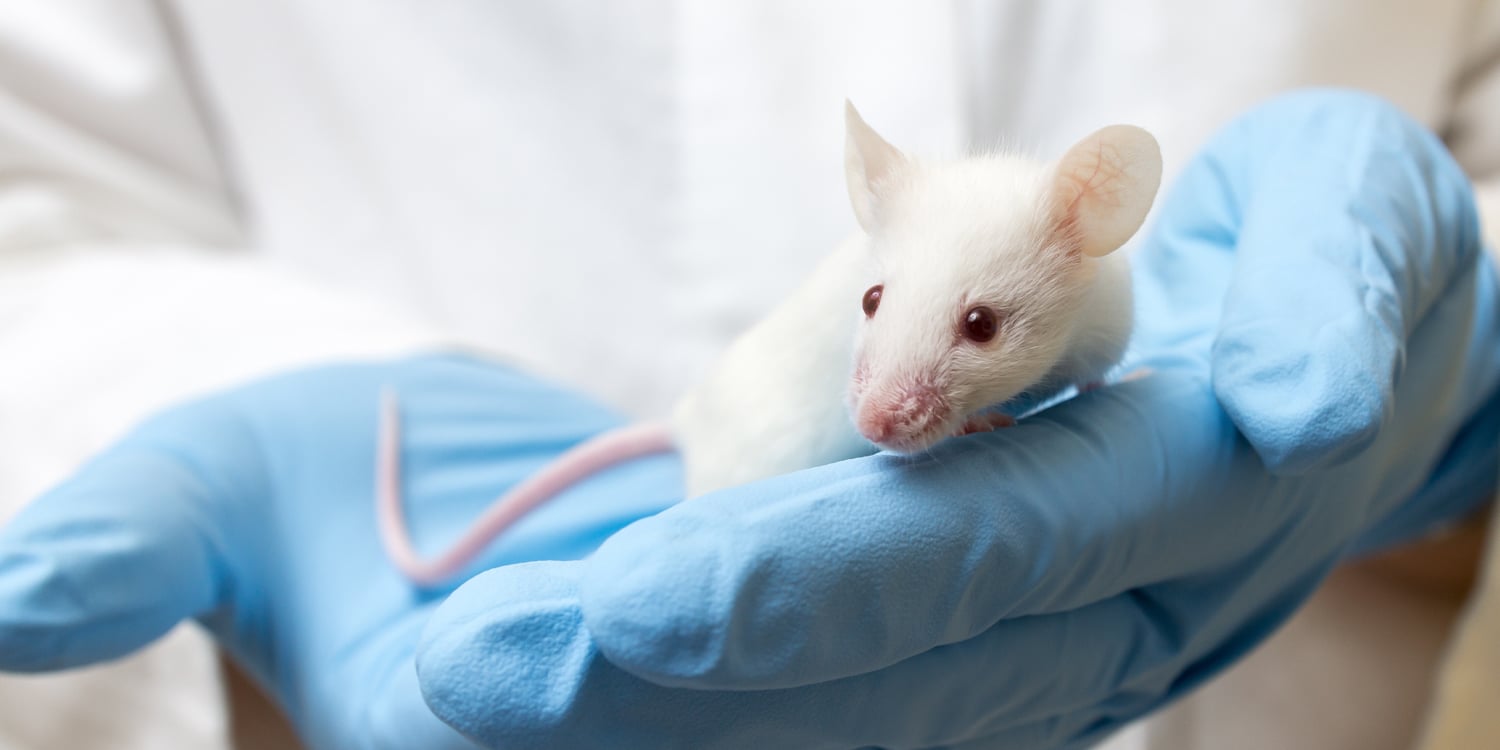
A single dose of psilocybin triggers heightened immediate behavioural responses in mice bred to model aspects of schizophrenia, while also producing a lasting improvement in sensory filtering among female animals. The findings, conducted at the University of Melbourne’s Florey Institute of Neuroscience and Mental Health and published in Neuropsychopharmacology, suggest that the acute psychedelic‑like effects and longer‑term brain changes may operate through different biological pathways that differ by sex.
Psilocybin is the principal psychoactive component of “magic mushrooms” and is converted in the body to psilocin, a compound that alters perception, mood and thought chiefly by activating serotonin 2A receptors on brain cells. Although widely tested in trials for depression and anxiety, its effects in schizophrenia—characterised by hallucinations, delusions, social withdrawal and impaired sensory filtering—remain less understood. A 2024 systematic review and meta‑analysis found psychedelic‑induced psychosis to be rare: about 0.002 percent in population studies, 0.2 percent in uncontrolled trials, and 0.6 percent in randomized controlled trials. The same analysis estimated a 3.8 percent rate of long‑lasting psychotic symptoms among patients with schizophrenia, though the underlying data were from two small, old LSD studies judged high risk of bias.
The new work emphasises that understanding vulnerability requires looking beyond serotonin to glutamate, the brain’s primary excitatory messenger. While serotonin 2A receptors interact with glutamate receptors in cortical neurons, the study concentrates on metabotropic glutamate receptor 5 (mGlu5), a receptor implicated in learning, emotional control and synaptic connectivity.
Mice engineered to lack mGlu5 show traits relevant to human schizophrenia, including hyperactivity and impaired sensory filtering, which are normally mitigated by standard antipsychotics. In previous experiments, animals without this receptor displayed exaggerated activity after exposure to a synthetic hallucinogen that stimulates serotonin 2A receptors. Psilocybin, meanwhile, has been observed to promote structural neuronal changes, raising the possibility that it could ease certain schizophrenia‑related deficits after acute effects wane.
Biological sex also shapes responses to psychedelics. Earlier work in rats found that adult females exhibited more psilocybin‑induced head‑twitch responses than males, with fluctuations linked to estrogen levels. Lead author James J. Gattuso of the University of Melbourne, based at the Florey Institute, led the new study with senior authors Anthony J. Hannan and Thibault Renoir to explore how disrupted glutamate signaling and sex interact during and after psychedelic exposure. Gattuso described the team’s aim as investigating both immediate responses and longer‑term effects in a mouse model that captures some features of schizophrenia.
In a detailed behavioural programme, the researchers studied four‑month‑old male and female mice, dividing them into two cohorts for behavioural testing and brain tissue analysis. Each cohort included mice genetically engineered to lack mGlu5 and their genetically typical littermates. Overall, 96 mice entered the behavioural phase, with 10 to 14 animals per subgroup, and they received an abdominal injection of 1 milligram per kilogram of psilocybin or saline as a control. To minimise baseline differences in temperament, the groups were balanced using exploration scores recorded a week prior and testing was alternated across morning and afternoon sessions.
Immediately after dosing, each mouse spent 30 minutes in an activity chamber to measure movement. During the first 15 minutes, researchers counted head‑twitch responses from overhead video, a standard rodent marker of serotonin 2A receptor engagement. Two weeks later, a subset of 47 mice received a second psilocybin or saline injection to assess any immediate changes after repeat exposure.
Because the active metabolite from psilocybin clears from mouse blood in about four hours, the team scheduled follow‑up tests over the next nine days to probe lingering effects once the drug had left the body. On days one and nine, the mice underwent prepulse inhibition tests to gauge sensorimotor gating, a brain function often impaired in schizophrenia. In the light–dark box on days three and seven, anxiety‑like avoidance was assessed, and the forced swim test measured depressive‑like behaviour by tracking immobility in a water-filled beaker.
A second group of 61 behaviourally naive mice, with five to ten animals per subgroup, underwent brain analysis 90 minutes after dosing to map neuronal activity via c‑fos expression across four regions associated with psychedelic action and movement, including the claustrum and various striatal and cortical areas.
The immediate effects differed by genotype. In the first 30 minutes after dosing, psilocybin produced a sharp uptick in movement in mGlu5‑deficient mice, while typical mice did not show a statistically significant change. Across groups, those lacking mGlu5 were more active overall, and male knockouts moved more than knockout females.
The head‑twitch response rose in all psilocybin‑treated groups, peaking between five and ten minutes post‑injection. Male mice without mGlu5 exhibited a markedly larger rise in head twitches than typical males, though the gap between knockout and typical females was not statistically significant. The authors cautioned that these sex effects should not be interpreted as a stand‑in for human experiences, noting that the head‑twitch is a proxy for this receptor activity in mice rather than a direct measure of hallucinations in people.
Two weeks after the first dose, a second psilocybin challenge again elevated movement and head twitches across groups. A notable genotype interaction—greater head‑twitching in knockout males—emerged only after the removal of a single outlier, leaving the overall pattern unchanged in statistical terms. The researchers did not observe lasting tolerance or sensitisation under these conditions.
Brain tissue analysis revealed that psilocybin increased the density of active (c‑fos positive) neurons in the claustrum of typical mice, a brain region thought to coordinate activity across networks. In contrast, the effect was not statistically significant in mGlu5‑deficient mice, suggesting intact mGlu5 signaling contributes to claustral engagement. The authors speculate this altered engagement with the claustrum could underlie the amplified acute responses in receptor‑deficient mice.
In the dorsomedial striatum, associated with goal‑directed movement, knockout mice showed lower overall neuronal activity, and psilocybin’s effects there were not statistically significant. Similar non‑significant results were found in the dorsolateral striatum and in the prelimbic and infralimbic cortices, though male mice generally exhibited higher neuronal activity than females across several regions.
In the post‑acute phase, knockout mice spent less time in the bright compartment of the light–dark box, consistent with heightened anxiety-like tendencies, but psilocybin did not significantly alter time spent in the light, distance travelled or inter‑chamber transitions. In the forced swim test, psilocybin‑treated mice of both genotypes and sexes showed more immobility than saline controls, a result the authors interpret as depressive‑like behaviour but acknowledge may reflect adaptive energy conservation rather than a straightforward mood change.
Crucially, the long‑lasting finding emerged in sensorimotor gating. At the 100‑millisecond prepulse interval, psilocybin improved inhibition in female mice relative to saline controls, while the male data did not reach statistical significance. At the shorter 30‑millisecond interval, saline‑treated knockout females showed impaired gating compared with typical females, and a single psilocybin dose restored their performance to a level indistinguishable from typical females. The effect persisted through day nine and remained after correcting for startle strength differences between genotypes. In males, deficits at 30 milliseconds were not statistically significant, and psilocybin’s impact was likewise non‑significant.
Gattuso described the persistence as an “exciting feature” and framed the broader implication: “a promising lead for further research into psilocybin’s therapeutic potential, although improving one measure in mice does not establish that it will treat schizophrenia in people.” He added that the sex‑specific finding was particularly striking given ongoing concerns about psychedelics and schizophrenia, noting: “The sex differences were particularly striking: we observed a lasting improvement in sensorimotor gating in females, but not males.”
Looking ahead, the authors caution that the study used a lifelong absence of mGlu5 from conception, modelling some, but not all, features of schizophrenia. They emphasise that developmental compensations could influence responses and propose future work to test whether temporarily blocking mGlu5 in adult, genetically typical mice yields the same heightened sensitivity to psilocybin. They also stress that the head‑twitch response is a proxy marker and not a direct readout of human experiences.
“Our findings do not establish whether psilocybin would benefit or harm people with schizophrenia, and they should not be interpreted as a recommendation for self‑treatment,” Gattuso stressed. “We examined one dose in one mouse model, and no animal model can reproduce the full complexity of the human disorder. Studying complementary models and a range of doses will help establish how robust and generalizable these findings are. That work could help inform whether, and under what conditions, carefully controlled clinical trials would be justified.”
The authors also point out that the study tested only a single dose level and did not measure psilocin blood or brain concentrations, leaving open questions about metabolism by sex and genotype. They recommend future work to explore multiple doses and to evaluate whether adding a serotonin 2A receptor blocker prior to psilocybin can eliminate acute head twitches while preserving the long‑lasting sensory improvements in females. The paper is titled Psilocybin produces amplified acute responses and sex‑specific long‑term increases in sensorimotor gating in the mGlu5 knockout mouse model of schizophrenia and lists James J. Gattuso, Ahmed Kamal, Jennyfer M. Payet, Kato Havaux, Jenna Hendey, Bilgenur Bezcioglu, Zoe J. Phelan, Maddy Orchard, Divyesh Bhanot, Matthew W. Hale, Anthony J. Hannan, and Thibault Renoir as authors.
