


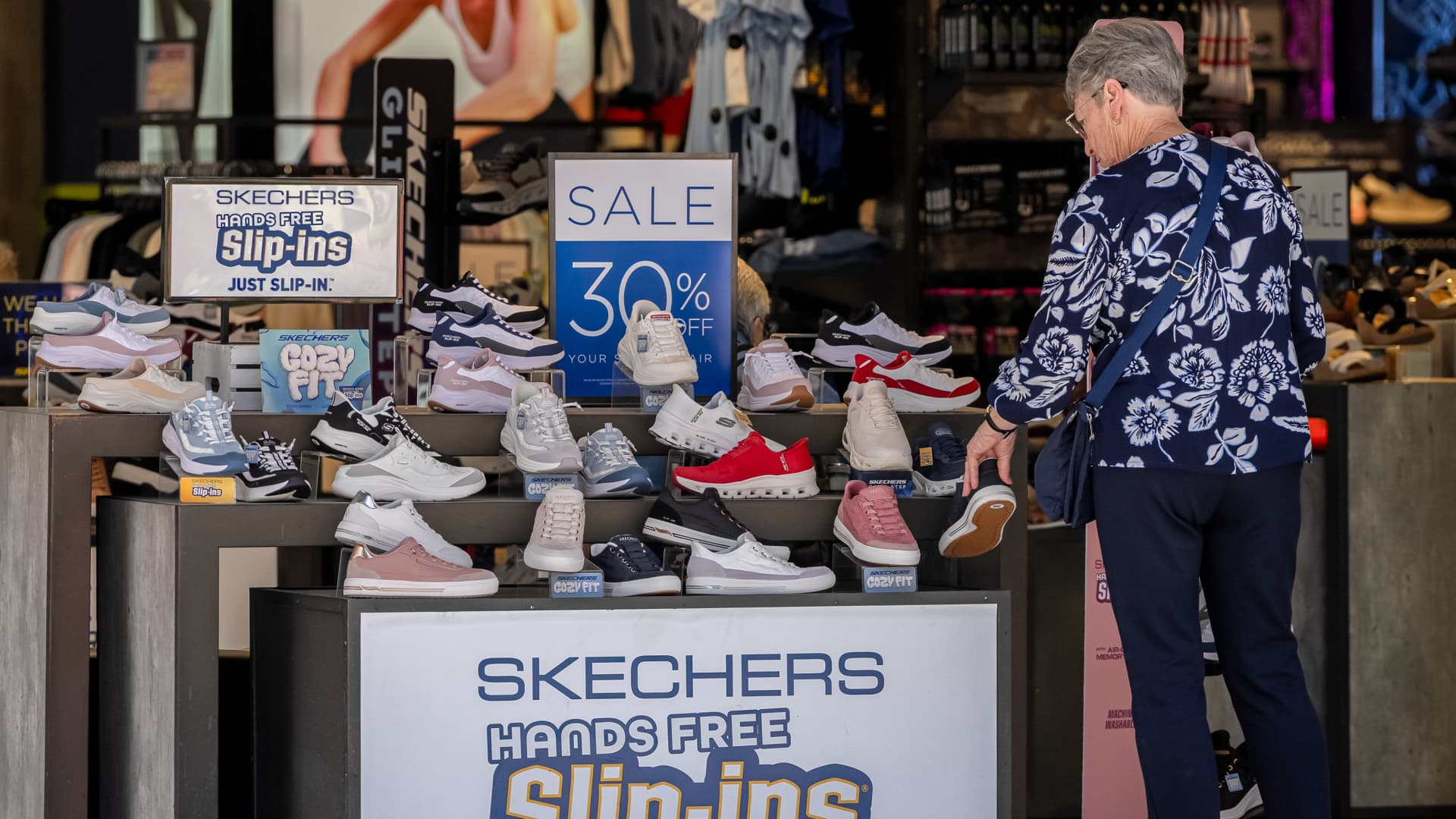
Physical gifts are expected to take the biggest share of US consumers’ festive spending this year, despite travel and live events featuring prominently on many wish lists, a Visa report has found.
More than half of the adults surveyed said travel and live events were among their preferred experiences. However, just 15% said they were prioritising experiences for others, compared with 27% who planned to favour physical gifts.
Michael Brown, Visa’s principal US economist, said higher travel costs, weaker consumer sentiment and a greater focus on value were influencing the gap between what people wanted and what they intended to buy.
“Consumers are aspirational. They want those experiences, they want to travel, they want to be out in the world,” Mr Brown said. “However, the economic reality is with prices rising, with economic uncertainty, they need to balance the reality of today’s economic environment with those aspirations.”
The survey covered roughly 4,660 US adults aged 18 and over and was designed to represent the wider consumer population.
Visa expects more people to celebrate the festive period “a little bit closer to home” as rising air fares and inflation put pressure on household budgets. Consumer prices rose by 3.7% annually in September, driven higher by energy costs.
Air fares were more than 22% higher in September than a year earlier, according to the consumer price index. The report said airlines had raised ticket prices as fuel costs increased by billions of dollars amid the war in the Middle East, while airline executives had indicated that fares were likely to remain high even if fuel prices fell.
Affluent households continue to spend more on travel
Households earning more than $200,000 were the only income group to increase spending on trips departing between 1 November and early next year, compared with the equivalent period spanning 2025 and 2026.
Mr Brown said gains in equity markets had helped create greater optimism among affluent households, many of whom own shares. Other income groups reduced their travel spending.
Value is becoming a bigger consideration for less affluent shoppers. Visa’s October consumer survey found that about one-third of people earning less than $100,000 planned to switch to cheaper brands or shops when buying festive gifts.
Visa is forecasting a 4.5% year-on-year increase in holiday sales. But after allowing for price rises, sales are expected to grow by only 1.1%, down from a 1.3% increase during the 2025 festive season.
The shift away from travel and towards physical gifts could provide some support for retailers as household spending comes under pressure. However, Mr Brown said consumers might also be anticipating higher spending simply because they had become accustomed to elevated prices.
“Consumers are internalizing higher prices of things, and I think that’s why they’re reporting higher anticipated spend this year,” he said. “I think these numbers just need to be looked at through the lens of the inflation and particularly consumers’ perception of where inflation is going to go.”
