


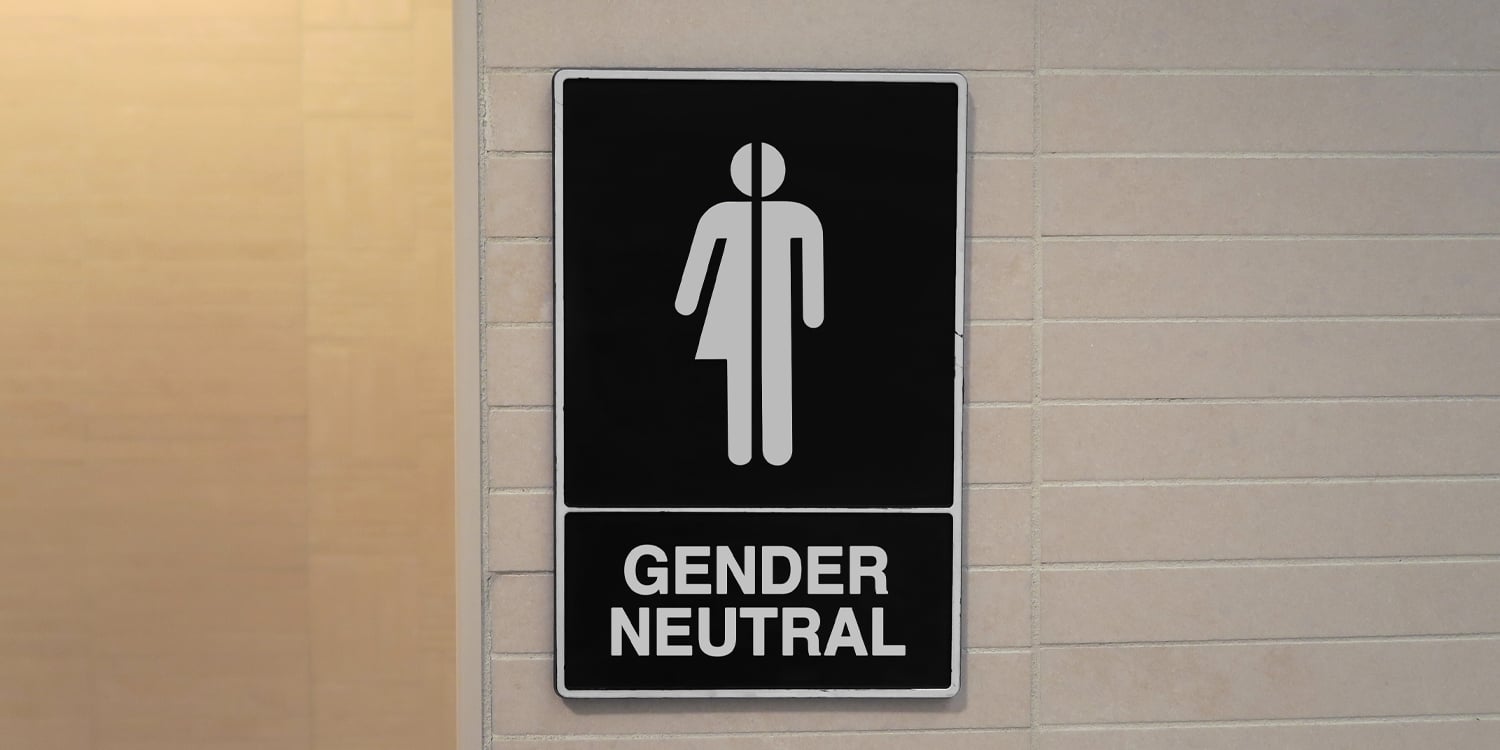
A new study published in Politics, Groups, and Identities indicates that public opinion in the United States has shifted toward more conservative views on transgender toilet access between 2016 and 2022. The researchers, led by political scientist Patrick R. Miller of Kent State University, analysed two nationally representative online surveys to gauge how beliefs about safety, discrimination and policy outcomes shaped people’s preferences.
The study presented participants with three statements reflecting the core political arguments around public toilet access for transgender people: whether unrestricted access poses a security risk to women and children; whether restroom restrictions amount to discrimination against transgender individuals; and whether such restrictions endanger the safety of transgender people. Respondents rated their level of agreement on a seven-point scale and stated their overall policy stance on whether transgender people should use facilities matching the sex listed on their state identification cards.
Across both survey periods, the researchers observed a rise in support for restrictive policies. Overall, support increased from about 54 per cent in 2016 to roughly 62 per cent in 2022. The pattern also reflected shifts in underlying beliefs: the belief that transgender restroom access poses a security risk to women and children grew stronger by 2022, while concerns that restrictions discriminate against transgender individuals rose slightly, and fears for the safety of transgender people remained relatively stable.
The study paid particular attention to respondents who agreed with conflicting arguments—those who supported open access on one hand but also recognised discrimination concerns on the other. In 2016, such conflicted respondents were more likely to oppose restrictive policies, with about a 62 per cent chance of backing transgender rights despite security fears. By 2022, the balance had flipped: conflicted individuals were far more likely to support restrictive bathroom laws, with only about a 29 per cent chance of opposing them, indicating that security considerations began to weigh more heavily.
Another notable finding concerns liberal education levels. In 2016, highly educated liberal respondents tended to be the most consistently pro-transgender in their bathroom views. By 2022, that educational divide had faded, as highly educated liberals shifted toward a more neutral stance that aligned with their liberal peers.
The authors caution that the study relies on observational survey data, which cannot establish a direct cause-and-effect link between political messaging and changes in opinion. They note that self-reported attitudes may not fully capture how these policies operate in practice and suggest future research could use experimental designs to test how specific messages influence viewpoints. They also call for further exploration of why the security argument remains so persuasive, given the lack of empirical evidence for a direct safety threat associated with inclusive bathroom policies.
The study, “Policing gender in the bathroom: attitudes toward the transgender bathroom issue,” is authored by Patrick R. Miller, Andrew R. Flores, Donald P. Haider-Markel, Daniel C. Lewis, and Jami K. Taylor.
