


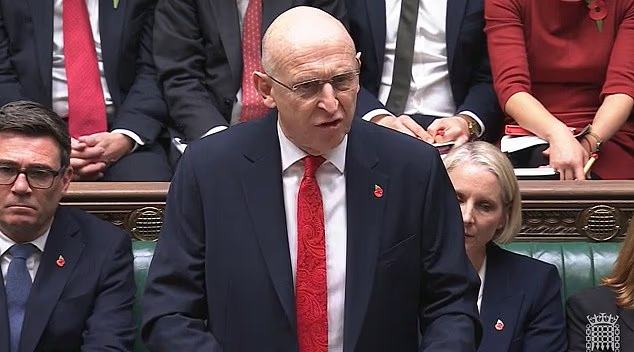
John Healey has unveiled a Budget of tax rises and targeted cost-of-living support, pushing the UK’s overall tax burden towards a new record high while promising relief on energy bills and fuel costs.
The Chancellor increased taxes on income from property and savings by two percentage points from April 2027, on top of a further two-point rise already due to take effect at the same time. Banks will also face a temporary increase in their surcharge.
The measures are intended to help fund support for households while keeping the Government within its fiscal rules. However, borrowing is expected to be higher than previously forecast and the Chancellor’s financial headroom has narrowed sharply.
The Office for Budget Responsibility said the tax take would reach 38.6 per cent of GDP by 2031-32, the highest level in the forecast period. Income tax and National Insurance receipts are expected to be £17.4 billion a year higher by 2030-31 than forecast in March.
Much of the increase will come through frozen personal tax thresholds, which mean more earnings are drawn into taxation as wages rise. The OBR said the freezes could reduce labour supply by the equivalent of 215,000 average-hours workers by 2030-31.
Mr Healey said: “Fiscal discipline is my first commitment as Chancellor. More than ever, it underwrites every promise this Government makes to the British people.”
He said the Budget met both the stability rule, requiring day-to-day spending to be covered by tax receipts, and the investment rule, under which public sector net financial liabilities must fall as a percentage of GDP.
Energy support and fuel duty freeze
Around 20 million homes in council tax bands A to D will receive a £100 payment towards energy bills, at a cost of £2.6 billion.
The temporary removal of VAT from electricity bills will continue until July, although the support is expected to be outweighed by a projected 27 per cent rise in the energy price cap in the new year.
Standing charges on gas bills are also to be scrapped, following a meeting between Mr Healey and consumer champion Martin Lewis. The change will not take effect until at least next year, and the cost is expected to be transferred to gas unit prices, meaning some larger households could be worse off.
The Chancellor signalled longer-term plans to remove green levies from energy bills and separate the gas and electricity markets. A planned increase in fuel duty has also been abandoned, with the existing freeze extended until at least July 2027.
Benefits paid to 10 million people will rise by 3.5 per cent in line with inflation, backed by £5.5 billion. Two reviews of the welfare system are due to report next month after wider reforms were delayed until later in the Parliament.
Andy Burnham has rejected calls for crude reductions in welfare spending, while Conservative leader Kemi Badenoch accused ministers of being “addicted to welfare”.
Borrowing pressures and spending plans
The temporary bank surcharge will rise from three per cent to six per cent for 15 months from January, on top of the 25 per cent corporation tax rate.
The OBR expects Government borrowing to exceed its previous forecasts by about £18 billion this year, £16 billion in 2027-28 and an average of £11 billion a year thereafter. Debt interest costs for the current year have risen by £15 billion.
Mr Healey’s fiscal headroom for 2029-30 has fallen from £26 billion to £15 billion, although it is expected to recover to £22 billion by 2031. Borrowing as a share of GDP is forecast to fall from 4.2 per cent this year to 1.8 per cent in 2030-31.
The Institute for Fiscal Studies said the Budget contained “a raft of fiddly measures but very little that will move the dial on growth”. Its director, Helen Miller, warned that the plans depended heavily on tight controls over public service spending.
She said next year’s Spending Review would be a “crunch point” for departments facing tighter budgets, and described the energy support as relatively small and poorly targeted because it relied on the council tax system.
The OBR upgraded its growth forecast for this year from 1.1 per cent to 1.2 per cent, but cut next year’s estimate from 1.6 per cent to one per cent.
Mr Healey told MPs that the Budget would provide “breathing space for today and fresh hope for the future”, as he acknowledged pressure from conflicts abroad, rising energy prices and the cost of living at home.
