


Rural mothers are facing long journeys for maternity care and widespread post-natal mental health difficulties, according to a survey of 1,068 women across Australia. One in three said they had travelled for more than two hours to give birth, while more than two-thirds reported post-natal depression or anxiety.
Half of those who experienced those difficulties never sought professional help, the Raising Rural report by parenting charity Motherland found.
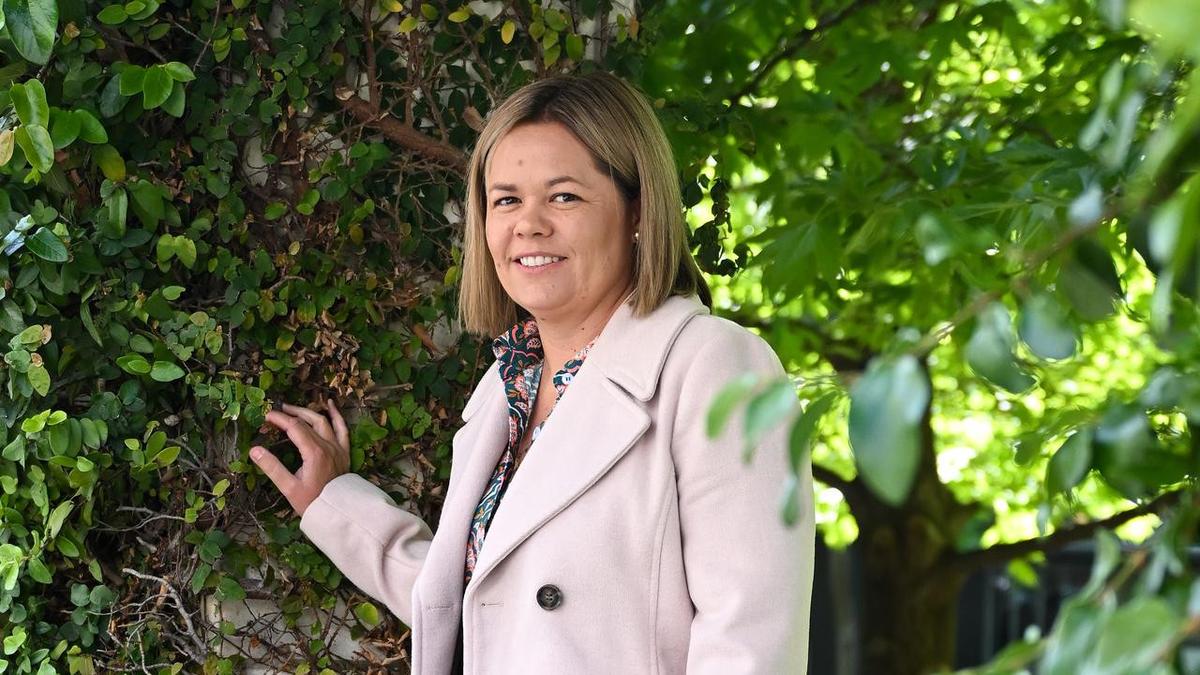
For Rhiannon Finger, the lack of specialist maternity care meant leaving her family’s cattle farm near Clermont, in central Queensland, and moving 500km to Townsville during her second pregnancy.
When she arrived at a small rural hospital showing signs of early labour, a nurse who was also a friend told her: “You’re not being fair to us.”
Ms Finger had previously given birth to her son Oscar at 24 weeks by emergency caesarean. He weighed 770 grams and required ongoing medical care, while her second pregnancy was considered too complex to be managed by the local hospital.
“I think I was pretty broken,” Ms Finger said. “They didn’t have the capacity to birth a baby and I was a complex case.”
Her daughter Imogen was born four years after Oscar. Following the two complicated births, Ms Finger developed post-natal depression but initially delayed seeking support.
“I kept putting getting help on the to-do list,” she said. “And we, as women, know the to-do list is a bit of a joke because it’s never finished.”
Calls for better support for rural mothers
Motherland founder Stephanie Trethewey said women in rural areas were being expected to manage with fewer services as maternity provision declined.
“We are seeing reduced services in rural Australia, including maternity services,” she said. “What are we doing to ensure that we improve those numbers?”
The Raising Rural report recommends restoring local health services, expanding access to childcare and improving follow-up care for new mothers. Ms Trethewey said early mental health support was vital to prevent birth trauma and other serious consequences.
She said rural women did not want to abandon country life, but deserved the same level of care as mothers elsewhere.
“It’s a joy to raise kids in rural Australia,” Ms Trethewey said. “The joy and the love is what keeps them there, but the other pain points make their life a lot harder.”
Ms Finger, now a mother of four, said speaking openly about the difficulties of healthcare and parenting in the bush could help future generations of women living and working on the land.
“We’re living a really good life,” she said. “We want to make sure the cracks that sometimes appear when we’re at our most vulnerable are not there forever.”
