


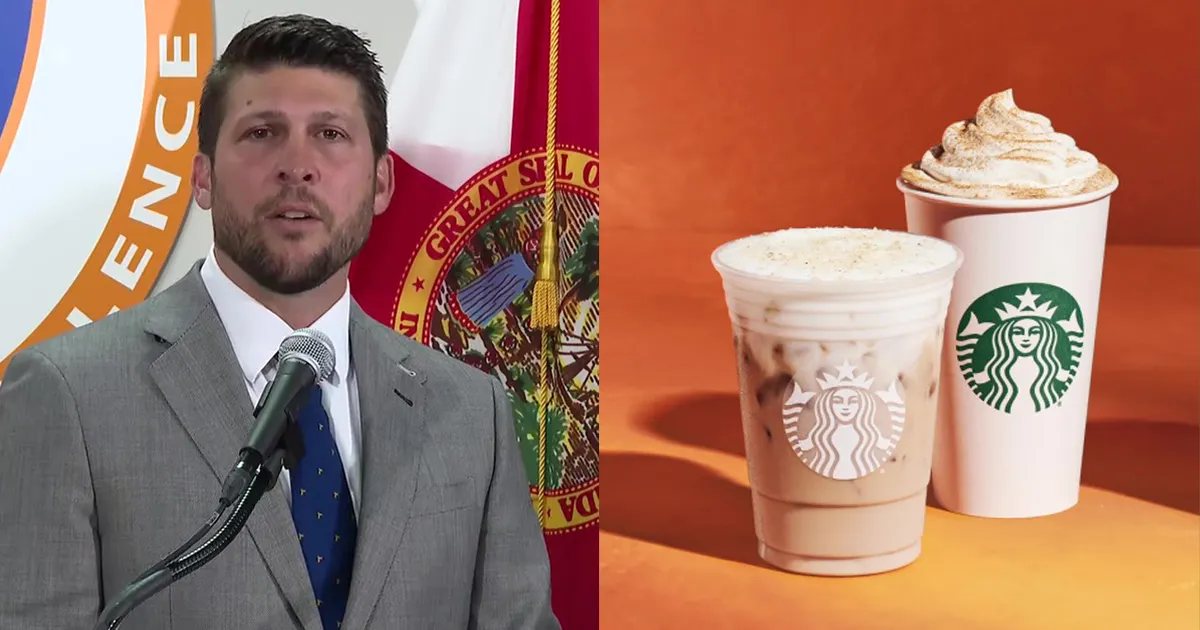
Starbucks will pay Florida $1 million and abandon race- and sex-based goals, quotas and preferences in its employment practices nationwide under a settlement ending the state’s civil rights lawsuit against the coffee company.
The agreement, announced on Thursday 17 September, applies to all Starbucks operations across the United States rather than only its more than 900 Florida stores, according to the office of Florida attorney general James Uthmeier.
It requires the company to comply with the Florida Civil Rights Act of 1992, which prohibits race- and sex-based preferences in hiring, promotion, pay, executive compensation, mentorship schemes, supplier selection and board composition.
Starbucks has also agreed not to participate in organisations that require it to increase the racial diversity of its board. Its chief legal officer must provide annual certifications confirming compliance for four years.
Mr Uthmeier said: “Every Floridian deserves to be hired, promoted and compensated based on merit, qualifications and character — not race or sex.
“This resolution ensures that Starbucks’ policies and practices fully comply with Florida’s civil rights laws. DEI can never be an excuse to violate civil rights.”
The Republican attorney general filed the lawsuit in December 2025, alleging that Starbucks had unlawfully embedded diversity, equity and inclusion targets in its workplace policies.
The complaint cited goals announced by Starbucks in 2020 to have people of colour occupy 40% of retail and manufacturing roles and 30% of corporate positions by 2025. It also alleged that the company linked executive bonuses to diversity-related measures before March 2024.
Those measures allegedly included mentoring Black, Indigenous and other employees of colour, holding monthly meetings with mentees and maintaining retention rates above specified thresholds.
Florida further alleged that Starbucks used race and sex in decisions on pay, promotions, supplier contracts and board appointments. The state said employees and applicants had contacted the attorney general’s office claiming they had felt excluded or humiliated because they were White.
The complaint accused Starbucks of operating a “systemic discrimination” scheme against workers deemed “non-diverse”. Florida initially sought $10,000 in damages for each alleged instance of racial discrimination against a state resident, potentially amounting to tens of millions of dollars.
Starbucks has not admitted liability or wrongdoing as part of the settlement. Pilar Ramos, the company’s executive vice-president and chief legal officer, said the matter had been resolved without an admission of wrongdoing.
“We’re pleased to have resolved this matter without admission of wrongdoing and appreciate the constructive engagement of the Attorney General’s Office throughout this process,” she said.
“We will continue to focus on offering great jobs and career opportunities to our partners who wear the green apron, while making a positive impact on the communities we serve in Florida and around the world.”
Starbucks settlement follows wider legal challenge to DEI policies
The Florida case began after former attorney general Ashley Moody called for an investigation into Starbucks’ hiring practices in 2024. Mr Uthmeier later alleged that the company’s diversity targets amounted to mandatory race-based hiring and promotion rules.
Starbucks previously rejected the allegations, saying its hiring practices were inclusive, fair and competitive, and designed to select the strongest candidate for every role.
The settlement comes after a separate case brought by Missouri’s former attorney general Andrew Bailey. That federal lawsuit, filed in February 2025, made similar allegations over race- and sex-based hiring targets and executive pay. A judge dismissed the case in February 2026 after finding that Missouri had not identified a resident who had been harmed by the policies; the state appealed.
