


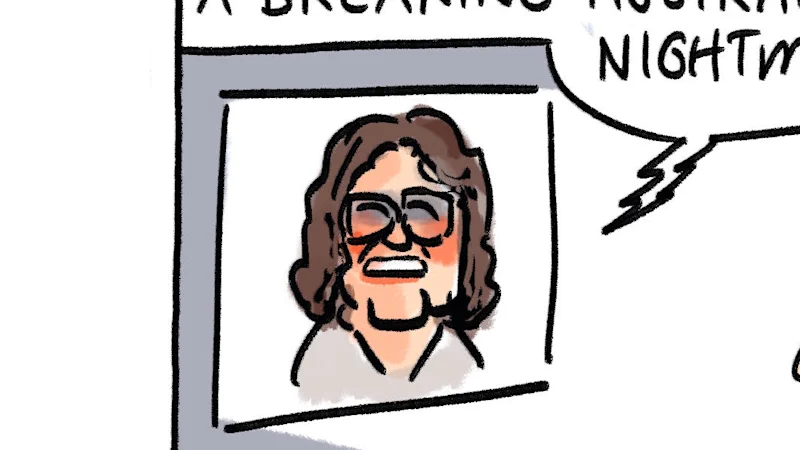
Interest rate rises have drawn criticism from readers who argue that the Reserve Bank of Australia is placing too much of the burden of controlling inflation on mortgage holders, while leaving other parts of the community largely unaffected.
Several correspondents called for taxation to play a greater role in reducing spending. Peter Randles, from Mornington, said borrowers represented only about a third of the population and suggested changes to the GST so that the whole community contributed to efforts to lower inflation.
He proposed that the Reserve Bank should be given authority to direct changes to the GST in much the same way it currently determines interest rates, with the additional revenue helping to reduce the government deficit.
Others argued that higher-income earners should bear more of the adjustment. John Rome, from Mt Lawley, suggested temporarily increasing the tax rate on people earning more than $135,000 from 37 to 40 cents in the dollar, saying they were the group with the greatest capacity for discretionary spending.
The debate followed warnings from RBA governor Michelle Bullock about further rate pain. One letter writer said Ms Bullock had identified rising petrol prices as the primary cause of inflation, with fuel costs potentially increasing further if US President Donald Trump reduced diesel supplies.
Critics also questioned whether raising the cash rate was an effective way to restrain prices. David King, from South Yarra, said the Reserve Bank had not explained how higher borrowing costs would prevent institutions, industries and businesses from increasing prices.
David Raymond, from Doncaster East, said governments risked undermining the effect of rate rises by introducing tax cuts or other measures designed to stimulate the economy. He argued that increasing tax rates across the board would be a more direct way to reduce spending.
The impact on home owners and prospective buyers was a recurring concern. One correspondent described repeated increases as a narrow response that punished people striving to buy a home, while another pointed out that the bank, rather than the borrower, was technically the holder of a mortgage.
The letters also linked interest rates to wider concerns about housing affordability. Norman Huon, from Port Melbourne, said decades of policy failure had left many Australians unable to buy, struggling with private rents or unable to access public and social housing.
He argued that grants for first-home buyers and limited increases in public housing had not solved the problem, and called for sustained government funding for housing instead.
