


Tokenised stocks are opening a new front in the brokerage industry after Robinhood placed a version of AMC shares on the blockchain without the company’s permission, prompting a furious public response from AMC’s chief executive.
The dispute has highlighted both the potential of blockchain-based trading and the concerns surrounding ownership rights, share backing and investor protection. Robinhood’s chief executive argued that a company issuing shares cannot completely control what investors do with them.
Robinhood does not transfer conventional shares directly to customers in this arrangement. It buys batches of stock, creates a tokenised version of each share and offers contracts giving customers a financial claim on the tokens.
The model could make it cheaper and easier for people outside the United States to gain exposure to American companies. Investors in countries such as Brazil and South Africa can face high trading charges, while some US stocks may not be available to them through conventional routes.
For those customers, tokenised stocks offer a way to access popular companies through blockchain-based infrastructure. The approach has consequently begun to attract interest in overseas markets where buying US equities is more difficult.
Concerns over rights and share backing
Traditional shares carry rights that tokenised versions may not. In particular, holders of Robinhood’s tokenised variation do not receive the same right to vote on certain corporate matters.
There are also questions over whether the shares supposedly backing each token are actually being held. Robinhood and Coinbase work with Alpaca, a FINRA-registered intermediary responsible for record-keeping. The arrangement is intended to provide the underlying structure for the tokenised assets.
However, the wider market could leave room for less reputable operators to offer tokens linked to companies such as AMC or Apple without holding any corresponding shares. A failure of that kind could trigger panic among investors and potentially contribute to a broader sell-off.
AMC’s chief executive condemned Robinhood’s move in unusually strong terms, describing it as “contemptible, outrageous, disgusting, detestable, inexcusable, vile”. His reaction reflects concerns that companies could lose control over how their shares are distributed and represented.
The argument is unlikely to stop the development of blockchain-based equities. The case for a legal framework allowing legitimate operators to offer tokenised stocks is growing as financial firms continue to explore the technology.
Nasdaq has invested 100 million dollars in Payward, a blockchain-native financial firm, while the US Securities and Exchange Commission is working on an innovation exemption covering some forms of on-chain stock.
The industry has yet to settle on the best structure. Robinhood uses an indirect “wrapper” model, while firms including Securitize and SuperState advocate issuing shares directly on the blockchain.
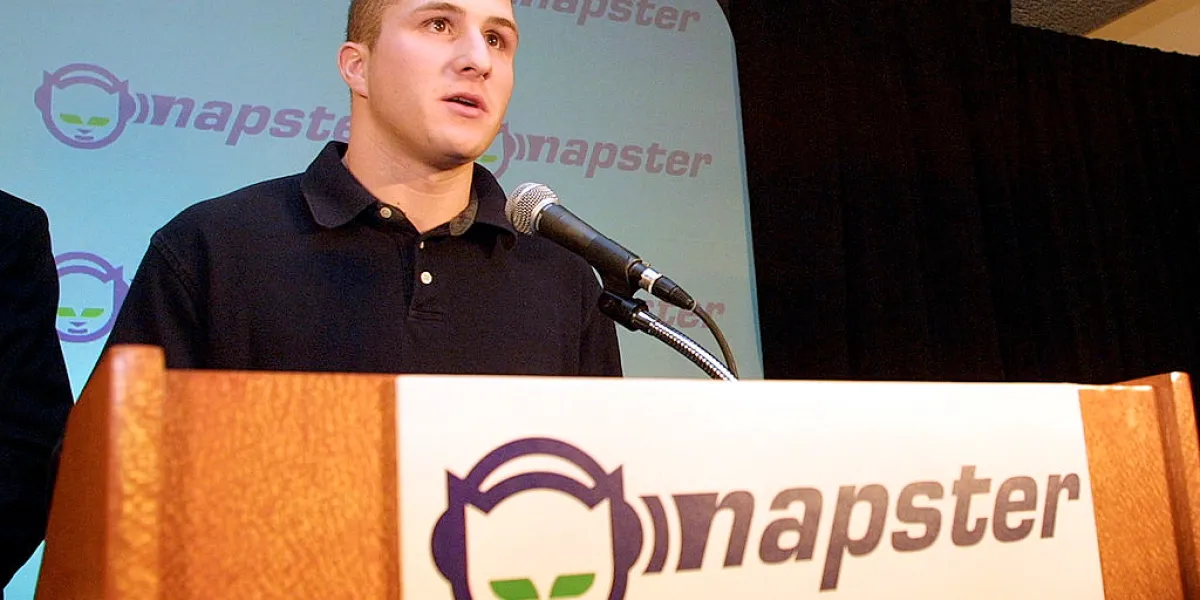
The dispute echoes the disruption caused by file-sharing service Napster in the music industry 25 years ago. Legal action eventually gave way to regulated digital services, and the same pressure to adapt is now emerging in financial markets as tokenised stocks move further into the mainstream.
