


The Trump administration has proposed loosening Biden-era methane rules for oil and gas producers, with the Environmental Protection Agency estimating the changes could deliver $45 billion in savings between 2027 and 2050.
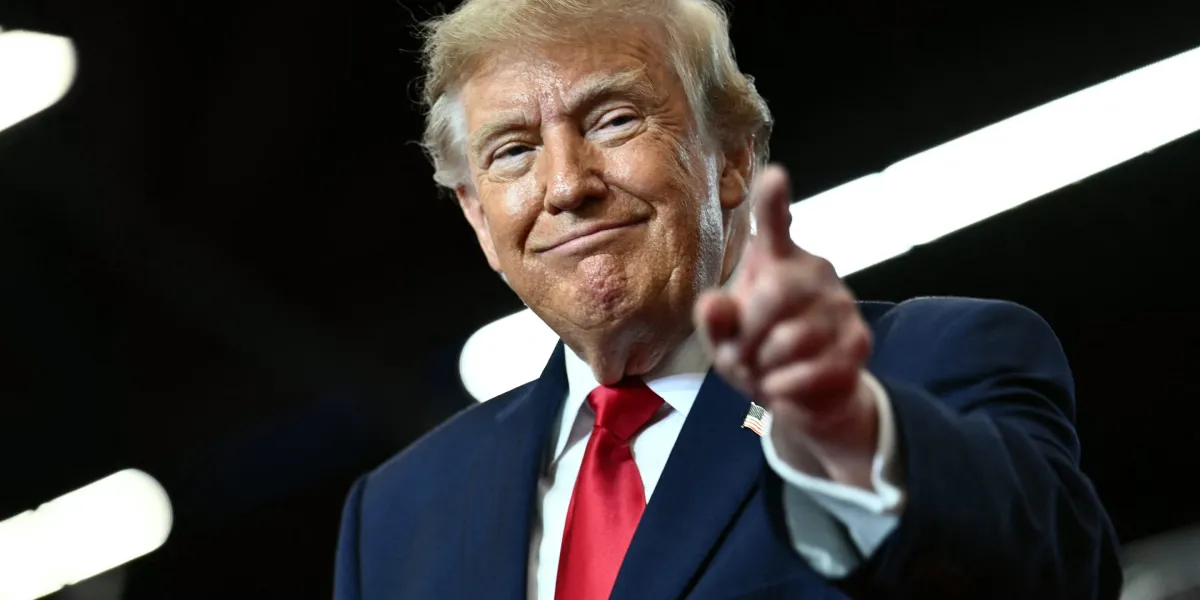
President Donald Trump and EPA administrator Lee Zeldin announced the plan in Lubbock, Texas, as the national average price of regular petrol reached $4.20 a gallon. Crude oil was trading at about $103.99 a barrel on October 30, while the Iran war continues.
The proposal would also result in an estimated additional 210 million barrels of domestic oil production and 1.41 trillion cubic feet of natural gas over the same period, according to the EPA.
Trump had accused Joe Biden and Kamala Harris during his 2024 campaign of waging a “war on energy” and promised to bring petrol prices below $2 a gallon. He later pledged: “We will frack, frack, frack and drill, baby, drill.”
Whether the proposed changes will reduce prices at the pump remains uncertain. Regular petrol averaged $3.472 a gallon during Trump’s second presidency, narrowly above the $3.471 average recorded during Biden’s four years in office.
What the methane rule changes would mean
The EPA proposal targets regulations introduced by the Biden administration in 2024 under the Clean Air Act. Those rules set methane standards for new and existing oil and gas operations, including requirements to detect and repair leaks and restrict the release of natural gas from oil wells.
The Trump administration argues that the requirements created excessive compliance costs, particularly for smaller operators and owners of marginal wells. The EPA said marginal wells account for roughly four out of every five producing wells in the United States and are often family-owned.
Interior secretary Doug Burgum said the Biden rules had “hurt hard-working families, crushed our businesses, and threatened the communities that power our nation”. He said the Trump administration was putting “real money back into the hands of American people” by returning control of energy production to workers, businesses and communities.
The EPA is considering separate standards for marginal and higher-producing wells. It is also proposing to withdraw the Biden-era Super Emitter Programme, which allowed certified third-party organisations to identify and report significant methane leaks to regulators.
The agency’s own regulatory impact analysis estimates that the changes could lead to about 60 million additional short tons of methane being released between 2027 and 2050.
The proposal forms part of Trump’s wider drive to expand fossil fuel production. But it has faced criticism from some experts, including Jody Freeman, a Harvard Law School professor and director of its environmental and energy programme.
Writing about an earlier Trump administration proposal to rescind the 2009 scientific finding that greenhouse gases contribute to global warming and harm human health, Ms Freeman said: “The irony is that no industry asked for this extreme step.”
She argued that car manufacturers needed stable federal rules to compete globally, while power companies had already invested billions of dollars in renewable energy. She also said most oil and gas companies supported a national approach to limiting methane.
The latest EPA proposal is not final. The agency said it would allow at least 45 days for public comments and hold a public hearing after the rule is published in the Federal Register, meaning a final decision cannot be made before next week’s midterm elections.
