


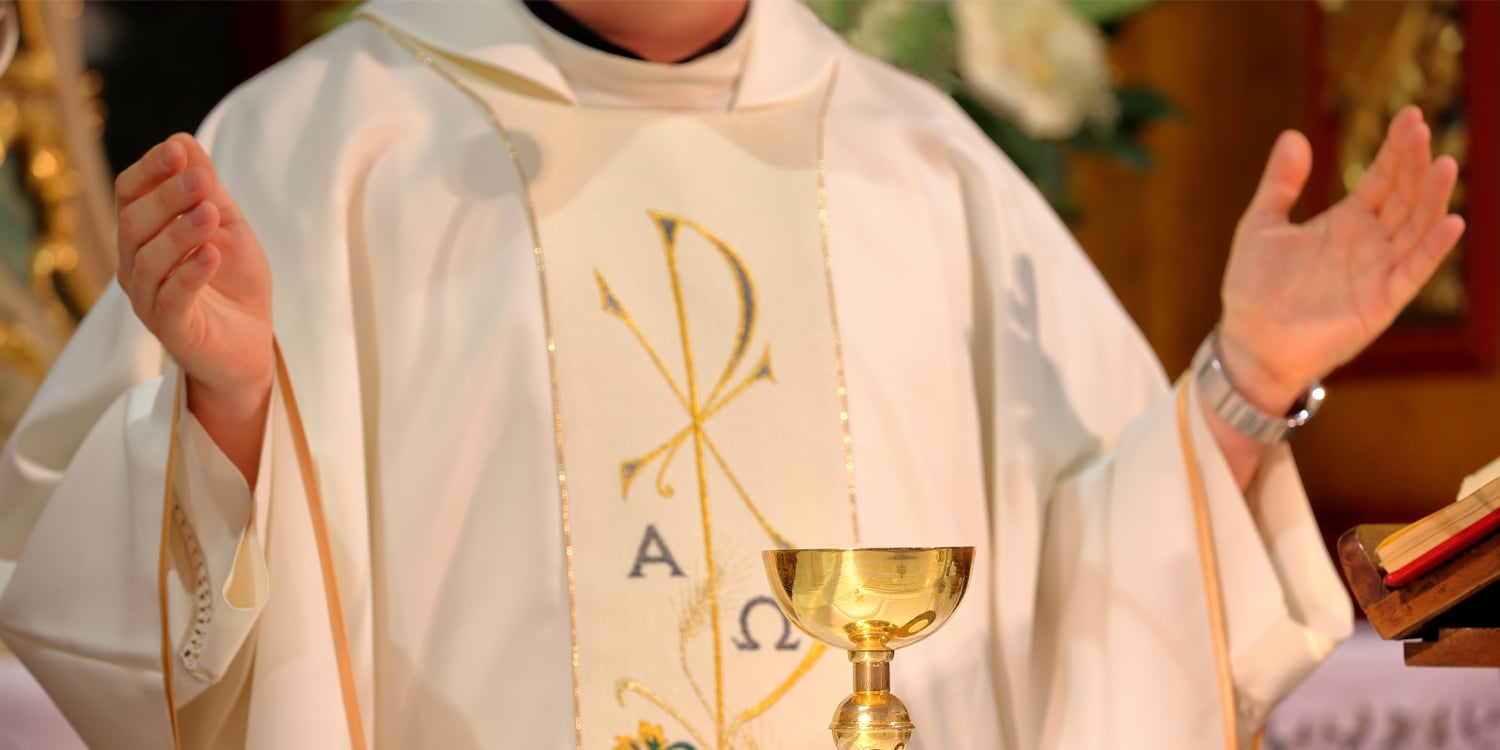
The election of Pope Leo XIV in May 2025 prompted a modest rise in the sense of meaning in life among practising Roman Catholics in the United States, according to a study published in The Journal of Positive Psychology. Over a 10-day post-election window, participants reported a stronger sense that their lives were meaningful, while their search for meaning gradually declined. The effects persisted after controlling for participants’ religious commitment and their views about the pope’s American nationality.
Meaning in life is a multi-dimensional construct, psychologists explain. It comprises having a motivational goal or purpose, perceiving life as coherent, and believing one’s life matters. Researchers distinguish between the presence of meaning and the ongoing search for it—a distinction highlighted by a 2006 validation study.
Religion is a major source of purpose for many individuals. Earlier work found that religious people often report greater well‑being largely because their lives feel purposeful and directed, while other research has suggested that meaning can be tied to the sense that one matters on a cosmic scale.
The researchers proposed three psychological frameworks to explain how a papal election might influence daily experiences of meaning. The meaning-making model posits that the death of a pope can create a temporary spiritual void that a new election may help restore. Social identity theory suggests that self-worth derives from belonging to a group, with leadership changes potentially strengthening or weakening that shared identity. A third mechanism involves emotional contagion—theme‑level feelings spreading through media and crowds—an effect supported by recent studies of collective religious events.
To capture real-time shifts, the team employed an experience sampling method, prompting short smartphone surveys during participants’ normal routines. Beginning on 3 May 2025—four days before the conclave began—the researchers followed 14 consecutive days across pre-conclave, conclave, and post-conclave phases.
The study recruited English-speaking United States citizens who identified as practising Roman Catholics via the online platform Prolific. After excluding 17 individuals for not identifying as Roman Catholic, dropping out, or providing inconsistent data, the final sample comprised 117 participants aged 19 to 76, with an average age of about 45. The group was nearly evenly split by gender, with 52.1 per cent men and 47.9 per cent women.
At baseline, participants installed an open-source app called ESMira and completed initial measures. On a 1-to-100 scale, the group reported fairly high religiosity (average 72.7) and a balanced stance in theological orientation (46.1) and political views (47.4). They also answered a 10-item questionnaire assessing private religious devotion and engagement with their church community.
Each evening at 8:00 p.m. local time, participants completed an end-of-day survey assessing their current sense of meaning. Using a 7-point scale, they rated five statements about the presence of meaning and five about the search for meaning, with 1 meaning “absolutely untrue” and 7 meaning “absolutely true.” Across the 14 days, the 117 participants completed 1,470 daily questionnaires.
The election of Pope Leo XIV introduced an extra variable: the pope’s American nationality. To separate any national-pride effect, the final survey included a question on how much Leo XIV’s American background influenced participants’ feelings toward him, rated on a scale from -4 (much more negative) to +4 (much more positive).
Analytically, the researchers divided the timeline into a four-day pre-conclave baseline, the conclave phase, and ten post-conclave days starting with the papal announcement. They used multilevel models that controlled for age, gender, religious commitment, and views about the pope’s nationality while tracking day-to-day changes within individuals.
During the four pre-conclave days, presence of meaning averaged 5.16 out of 7 and the search for meaning averaged 4.34. In the conclave and on the first day after the election, neither dimension shifted notably from baseline, likely because not all participants had heard the news yet.
From the day after the election, presence of meaning rose above the pre-conclave baseline and remained elevated through Day 10. On the 7‑point scale, presence-of-meaning scores increased by between 0.14 and 0.20 points above baseline on all days from Day 2 to Day 10, with Day 8 showing a non-significant 0.09-point rise. The standardized effect sizes ranged from 0.09 to 0.14, corresponding to roughly 3 to 4 per cent of the baseline level.
At the same time, the data showed a gradual decline in the search for meaning, with statistically significant drops on Days 2, 7, 9 and 10. Relative to the 4.34 baseline, search-for-meaning scores fell by 0.23 points on Day 7, 0.34 on Day 9, and 0.30 on Day 10, with standardized effects reaching −0.19 on Day 9 and −0.17 on Day 10.
Even after adjusting for age, gender, religious commitment, and views about the pope’s nationality, the pattern persisted. On average, participants viewed Leo XIV’s American nationality positively (2.03 on the -4 to +4 scale), and those more active in church communities tended to feel warmer about it. However, the analyses cannot determine whether the post-election boost was larger or smaller for particular subgroups due to the study’s design.
The authors contend their findings align with all three theoretical approaches. They acknowledge that emotional contagion from widespread media coverage could have contributed, but the persistence of the effect—especially the stronger reduction in searching for meaning after Day 8—points toward deeper social identity and meaning-making processes as well. They caution that emotional contagion can last several days, making the boundaries between explanations uncertain.
Limitations include the lack of preregistration and the late start—only four days before the conclave—so there is no baseline for the vacancy period prior to the papal death. The tracking ended ten days after the election, limiting conclusions about how long the heightened sense of purpose lasts. The study focused solely on United States Roman Catholics and did not include a comparison group, leaving open whether scores would have shifted similarly for other groups or for people exposed to the same coverage.
Because Leo XIV’s American nationality became known at the same moment as his election, disentangling religious reaction from patriotic sentiment was not possible within this design. The researchers note that including participants from other religious backgrounds could help separate media-driven emotional contagion from genuine religious responses to the arrival of a new spiritual leader.
The study is titled “The election of Pope Leo XIV and its impact on the meaning of life for Roman Catholic Christians: A longitudinal experience sampling method study in the USA before, during, and after the pope’s election,” and is authored by Stefan Stieger, Selina Volsa, and David Willinger.
