


The Ebola epidemic in the Democratic Republic of the Congo is threatening neighbouring countries and the wider Great Lakes region, the World Health Organisation’s director-general has warned, as the outbreak continues to spread faster than efforts to contain it.
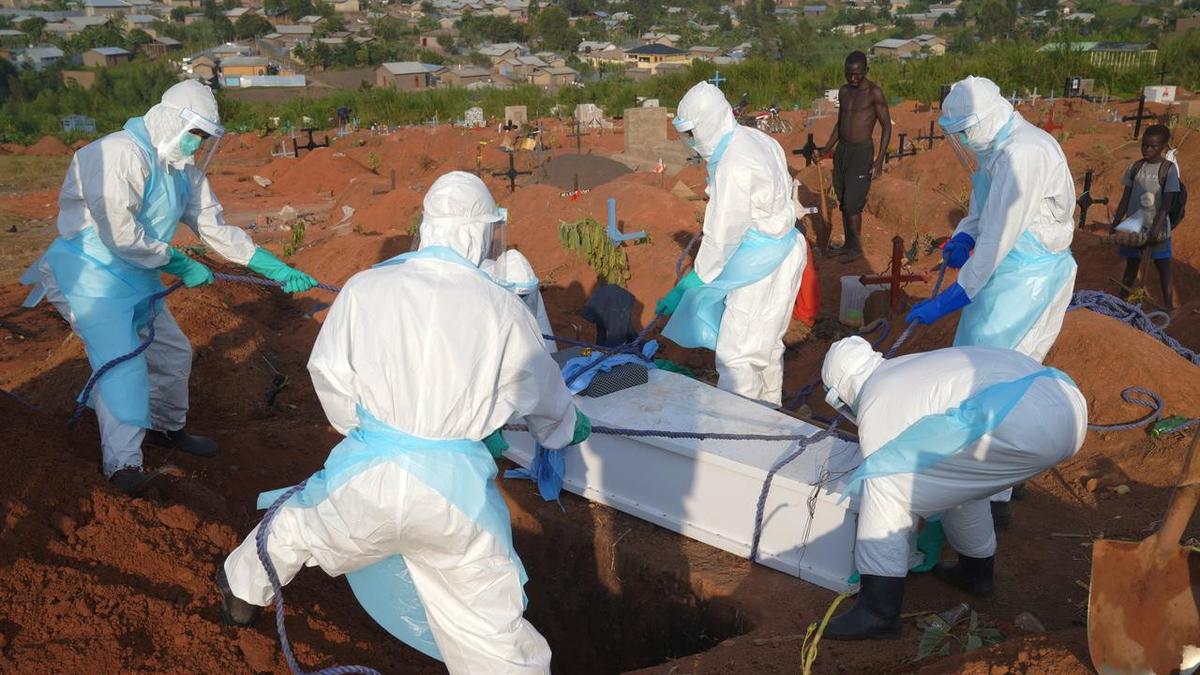
Tedros Adhanom Ghebreyesus said the response must be urgently expanded, with more resources directed towards surveillance, testing, treatment, contact tracing and safe burials.
More than 6,000 cases and almost 3,000 deaths had been reported by Tuesday, according to the WHO. The outbreak has reached 60 health zones across six provinces, making it the second-largest Ebola epidemic on record and the fastest-moving so far.
“The virus is still ahead of us,” Dr Tedros told a high-level briefing in Geneva. He said most deaths were occurring in communities rather than treatment centres, while many victims had not been identified as contacts of known cases.
That has left health officials unable to trace some chains of transmission. The WHO chief said the epidemic would continue until every chain was found and broken, warning that it posed a threat to the DRC, its neighbours and the region “as a whole – and beyond”.
The outbreak is being driven by the Bundibugyo species of Ebola, for which there is currently no licensed vaccine or specific treatment. The WHO said it had deployed experts, delivered supplies and expanded testing and treatment capacity, while clinical trials of vaccines and therapeutics were under way.
The agency has also maintained that the response must be built around affected communities, amid conflict, displacement, poverty and limited access to healthcare in eastern DRC. In August, the WHO and Africa Centres for Disease Control and Prevention called for stronger community engagement, earlier detection, improved contact follow-up and greater protection for frontline workers.
The epidemic remains a public health emergency of international concern. A WHO emergency committee has warned that, without a rapid change in the trajectory of transmission, the outbreak could have serious consequences for neighbouring countries and the social and economic stability of the Great Lakes region.
