


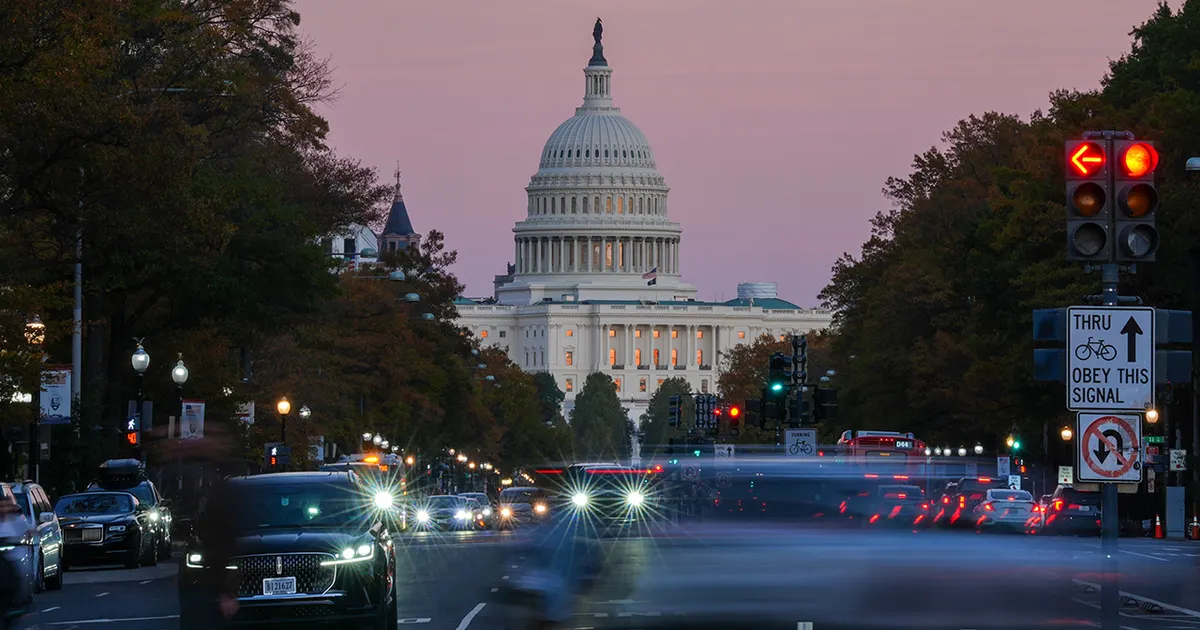
America’s 2026 midterm elections are determining the balance of power in Congress and the political direction of President Donald Trump’s final two years in office, with all 435 House seats and 35 Senate seats being contested.
Voters are also choosing governors in 36 states, making the ballot one of the most consequential tests yet of Mr Trump’s second-term agenda and the strength of Republican control in Washington.
Control of the House and Senate remained undecided as results came in, with competitive races across the country expected to determine whether Republicans retain unified control of Congress or Democrats regain the power to block or investigate the administration’s policies.
Early projections pointed to several significant Senate results. Democrats held on to seats in Georgia and New Hampshire and flipped a Republican-held seat in North Carolina, while Jon Ossoff was projected to win re-election in Georgia and Chris Pappas defeated John Sununu in New Hampshire.
The outcome of the Senate contest will depend on a small number of closely fought races, while the House battle is expected to take longer to settle because of narrow margins in several districts and the time needed to count outstanding ballots.
Governor races add to the national test
The governor contests are providing a second measure of the political mood across the United States. Democrat Keisha Lance Bottoms was projected to win in Georgia, becoming the first Black woman elected governor of the state, while Republicans held the Florida governor’s mansion with Byron Donalds defeating Democrat David Jolly.
Democratic governors including Kathy Hochul in New York and Josh Shapiro in Pennsylvania were also projected to win second terms, according to Associated Press calls reported during the night.
The results will shape the final two years of Mr Trump’s presidency, determining whether his administration can continue to rely on a supportive Congress or faces divided government and intensified scrutiny from Capitol Hill.
