


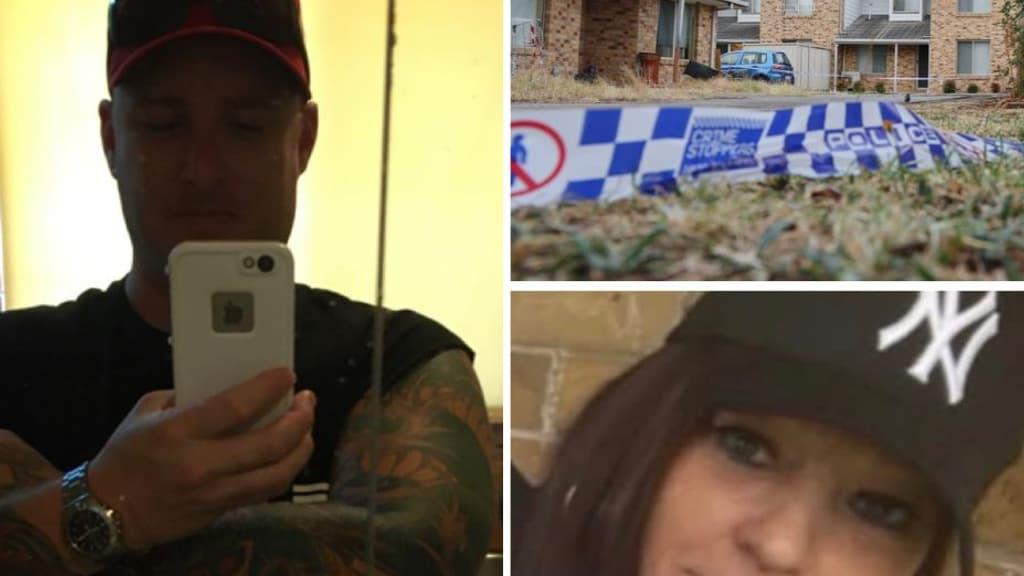
Luke Rainey has been granted bail after being diagnosed with rapidly progressive interstitial lung disease while in custody, despite facing a murder charge over the alleged fatal vehicle attack on his neighbour in Melbourne.
Mr Rainey, 44, denies murdering Melonie McKay, 53, who died outside her home in Seston Street, Reservoir, on February 20.
He appeared in the Victorian Supreme Court on Wednesday using a continuous oxygen supply through a nasal cannula connected to a device strapped around his waist.
His barrister, Sandra Wendlandt, told the court the condition was diagnosed after Mr Rainey was remanded in custody. “It’s a rapidly progressive disease, without treatment it’s fatal,” she said.
The court heard Mr Rainey was taken to the emergency unit of a secure prison hospital about a week after his arrest, appearing “very unwell”. He then spent about three months in an induced coma before receiving the diagnosis on May 4.
He returned to the general prison population in July, but continues to suffer respiratory problems and requires oxygen at all times. A specialist doctor had raised concerns that an infection contracted in prison could prove fatal.
Justice Rita Incerti granted bail for Mr Rainey to live with a family friend in Sunbury, saying his illness, the risk of complications in custody and the accommodation and support offered “just” met the test for exceptional circumstances.
“Unfortunately, for you, the reality of you being out and about in the community behaving badly is less likely (because of the disease),” the judge said.
“If the prospect of breaching bail doesn’t serve as a safeguard, I don’t think anything will.”
Mr Rainey must report to police twice a week, cannot leave Victoria, drive or contact prosecution witnesses. He is expected to leave prison for hospital care before returning to the community.
Prosecutors opposed the application, arguing that Mr Rainey was receiving effective treatment in custody and that the murder allegation was the most serious possible charge.
Crown prosecutor Cara Foot said footage from neighbouring homes created a strong inference that the vehicle was driven deliberately. She also told the court that Mr Rainey’s teenage daughter had been in the car and would be a prosecution witness.
The court heard Mr Rainey allegedly had a previous criminal history involving violence, breaches of court orders and driving offences, including an incident in which another person was struck by a car. Prosecutors argued this showed a pattern of anger and poor control that could pose a risk to the community.
Ms Wendlandt argued there was a “triable issue” over her client’s intention when he allegedly drove the vehicle. Justice Incerti said the CCTV appeared to capture most of the incident and suggested it had been a “sudden escalation” that was “relatively spontaneous”.
“It couldn’t be said the prosecution case is described as weak, but I accept there is certainly triable issues about your intention; that is, whether you intended to kill or cause really serious injury,” the judge said.
Mr Rainey is due to return to court later this month.
