


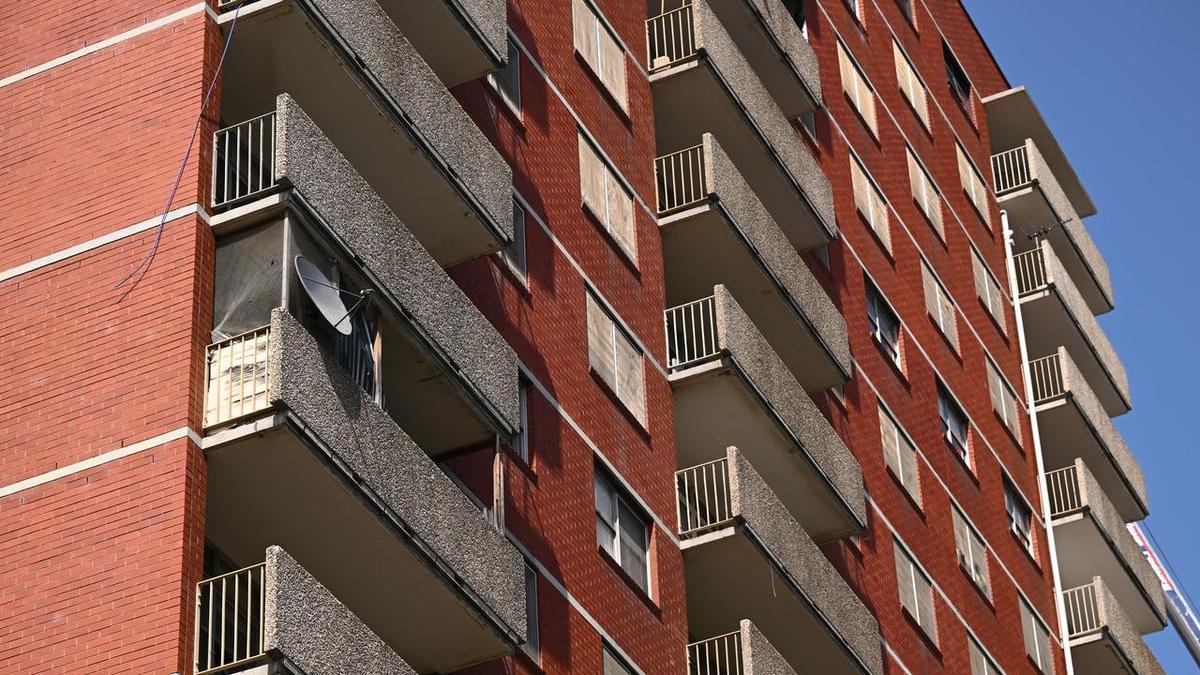
Only 19 per cent of affordable housing rentals go to households eligible for social housing, with the proportion falling to one in 10 in Perth, a report has found.
Analysis by the Committee for Economic Development of Australia (CEDA) and consultancy Urbis found that many low-income households are unable to afford homes labelled as affordable because rents are commonly tied to market rates rather than household income.
In Sydney and Melbourne, just 18 per cent of rentals considered affordable for social housing-eligible households were occupied by people in that group.
CEDA said broad eligibility rules also allowed medium-income households to access affordable housing, potentially shutting out those in greater need.
“Affordable housing is meant to relieve pressure on the social housing waitlist, but right now it’s not reaching the households who need it most,” said Danika Adams, a co-author of the report.
“If we could move just one in ten households off the waitlist and into affordable housing that actually matches their income, almost 19,000 families would have a safe, secure home today, without building a single new dwelling.”
Calls for clearer definition of affordable housing
Social housing is government-subsidised and allocated to people in need, with rents usually calculated according to household income. Affordable housing, by contrast, is generally available through the market.
Greens senator Barbara Pocock said the absence of a national definition of an “affordable” home had allowed property developers to advertise properties above median market rates while presenting them as affordable.
“Our housing system is cooked,” a spokesperson for Senator Pocock said in a statement. “It’s time for the government to get back in the game of directly building, owning and operating public homes like they used to.”
Senator Pocock is due to question officials from Housing Australia and Treasury at a parliamentary committee hearing into social housing.
Everybody’s Home, a social housing advocacy group that will also appear before the inquiry, said social housing had declined from about 6 per cent of Australian households in the 1990s to 4 per cent in 2025.
In a submission, the group said Commonwealth support for social housing had fallen from around $2.5 billion in 1982 to $1.6 billion in 2022, while Australia’s population rose from 15.2 million to 26.1 million. Per person, it said, spending dropped from about $164 to $61.
