


Australians could soon be given the option to switch off personalised social media algorithms under proposed laws designed to give users greater control over what appears in their feeds.
The federal government is expected to release an exposure draft of its long-awaited Digital Duty of Care legislation this week, requiring platforms to offer regular prompts asking users whether they want to continue with algorithmically selected content or see posts only from accounts they follow.
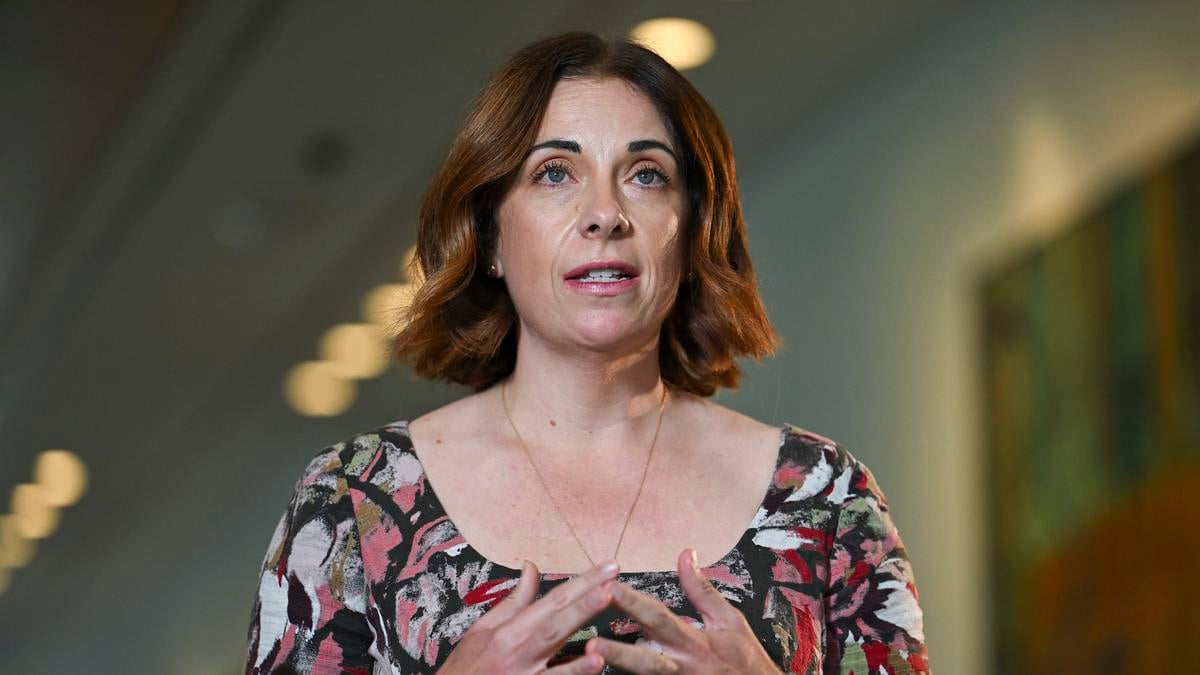
Communications Minister Anika Wells said the choice over how feeds were organised should belong to users rather than technology companies.
“Whether they want to keep the algorithm, whether they want to do things a different way, it should be their choice, not big tech’s choice,” she said on Monday.
The proposal would not remove algorithms from social media altogether. Instead, users would be able to opt out of recommendation systems that select material based on factors including their viewing habits, demographic information and location.
A non-personalised or chronological feed could mean users saw more of the material posted by friends, family and accounts they had deliberately chosen to follow, rather than content selected to maximise engagement and time spent on a platform.
However, Australia’s online safety regulator has cautioned that chronological feeds would not automatically solve every problem. In a position paper published in May, eSafety said such feeds could still be manipulated through spam and might expose users to abusive or unreliable content.
The proposed duty of care would also place greater responsibility on social media companies to identify and reduce risks on their services. The draft rules are expected to cover illegal material, including illegal pornography, as well as additional forms of psychological and social harm affecting under-18s, such as bullying and damaging body-image content.
Companies could face fines of more than A$100 million for serious breaches. The eSafety Commissioner and approved independent researchers would also be given powers to monitor platforms, including by using covert accounts posing as young users to examine what content is being recommended to children.
The government’s plans come after Australia introduced a minimum age of 16 for accounts on certain social media platforms. The existing law places responsibility on the companies to take reasonable steps to prevent under-16s from holding accounts, rather than penalising children or their parents.
The algorithm proposal is likely to face opposition from the Coalition. Opposition Leader Angus Taylor said the government had not yet shown the detail of its plan and warned it could become an attempt to censor online opinion.
“What we want to see is parents having more control over what their kids get to see on social media,” Mr Taylor said. “I am deeply sceptical. I fear that this is going to be an attempt by the government to censor social media, but as I say we haven’t seen it.”
The Greens have called for a stronger approach, arguing that algorithmic feeds should be opt-in rather than the default. Senator Sarah Hanson-Young has separately introduced a bill that would require platforms to let users reject recommended content at any time.
The government’s exposure draft will be subject to further scrutiny before any legislation is introduced to parliament.
