


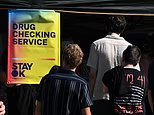
Pill testing will become a permanent feature at selected music festivals in New South Wales from October, after the state government said a 12-month trial had helped reduce drug-related harm.
The Minns Labor Government has committed A$4.3 million to continue the drug-checking service, which will be available at up to 15 festivals each year, including events identified as carrying a higher risk of drug-related illness.
The free and anonymous scheme allows festival-goers to submit a small sample of a pill, powder, capsule, crystal or liquid for analysis by qualified chemists. Health workers then explain the results and provide advice on the risks associated with taking the substance.
NSW Health said more than 1,800 people used the service during the trial, with about 1,500 samples tested. The evaluation, conducted by researchers at the University of Sydney, found the programme was associated with fewer urgent drug-related hospital presentations and intensive care admissions than in previous years at the same festivals.
There were an average of 2.3 hospital presentations per festival day during the trial, compared with 3.6 over the preceding two years, according to the evaluation. An unexpected substance was detected in 8.1 per cent of the samples submitted for testing.
Health Minister Ryan Park said the service was not intended to suggest that illicit drug use was safe.
“No level of illicit drug use is safe and drug checking services are not a silver bullet,” he said. “Drug checking at music festivals can reduce harms associated with drug use, and it ultimately saves lives.”
NSW Youth Minister Rose Jackson said pill testing gave young people an opportunity to speak to trained health workers and better understand the risks they faced.
Drug checking will be delivered by NSW Health in partnership with the harm-reduction organisation NUAA and festival organisers. Amnesty bins will also be available at testing sites for people who decide to dispose of their drugs.
Illicit drugs remain illegal in New South Wales, and the government said the continuation of the service did not represent an endorsement of drug use.
