


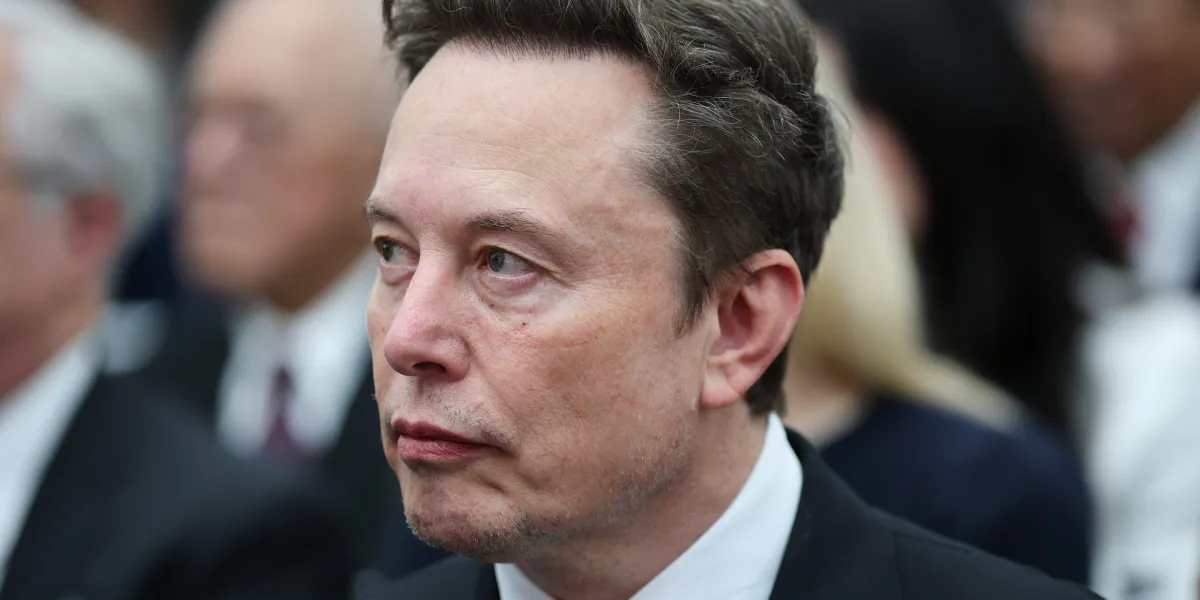
Elon Musk has announced plans to donate SpaceX shares to every child under 18 in the United States next year, in a move that could distribute stock worth about $10.7 billion at the stated share price.
The pledge comes amid a wave of high-profile share donations linked to Trump Accounts. Gwynne Shotwell, SpaceX’s president, said last week that she would give more than two million children a share of her stock, while Anthropic president and co-founder Daniela Amodei announced that the company would commit 5% of its shares to a public benefit fund.
Musk said the SpaceX shares were valued at $147.96 each. Shotwell said her shares would be distributed with “a bit more emphasis for those that live near our central Texas home”, where SpaceX has faced lawsuits and protests.
Why billionaires are donating shares
A change to US Treasury rules on 30 September may have made stock donations more attractive than cash contributions to Trump Accounts. Individuals can now donate shares that recipients must hold for at least five years.
Donors can claim a deduction for the full market value of their shares without paying capital gains tax on the increase in value. For company founders holding large stakes, that may be more advantageous than selling shares, paying tax and donating the proceeds. Recipients, however, will pay income tax when the stock is eventually sold.
The arrangement also carries risks. Individual shares can be more volatile than index funds, while the five-year restriction could leave millions of account holders unable to sell if a company’s fortunes deteriorate.
Conflict-of-interest rules could also prevent some workers and their families from owning particular shares. Although the Treasury has moved to exclude environmental, social and governance funds from the accounts, there is no equivalent way for families to prevent individual companies’ stock from being placed in their children’s accounts.
The donations may also raise questions about influence. Leaders could use share gifts to build goodwill in particular areas, while children would be required to hold the assets for five years.
Anthropic’s public benefit fund
Anthropic’s proposed contribution would involve 5% of shares that have not yet been issued being placed in the Anthropic Public Benefit Fund, a wholly owned limited liability company described as being “dedicated entirely to the public benefit”.
The structure is not a 501(c)(3) charity, meaning Anthropic chief executive Dario Amodei and other leaders could decide how the money is moved and spent. The fund could eventually control a substantial amount of capital, although its creation would not necessarily offset jobs lost to artificial intelligence.
The decision may also help build public support ahead of a potential $2 trillion initial public offering, although the motivation for the contribution has not been established.
Supporters may view the pledges as a way to widen access to company ownership and fund public-interest projects. Critics, however, may question whether children should be compelled to hold concentrated stakes in companies whose executives retain significant influence over how donated assets are used.
Other proposals would see frontier technology companies regulated more like public utilities, with independent trusts, audits and dividends reflecting their use of shared assets such as energy and intellectual property. Such arrangements would give company leaders less control over the assets than voluntary share donations.
