


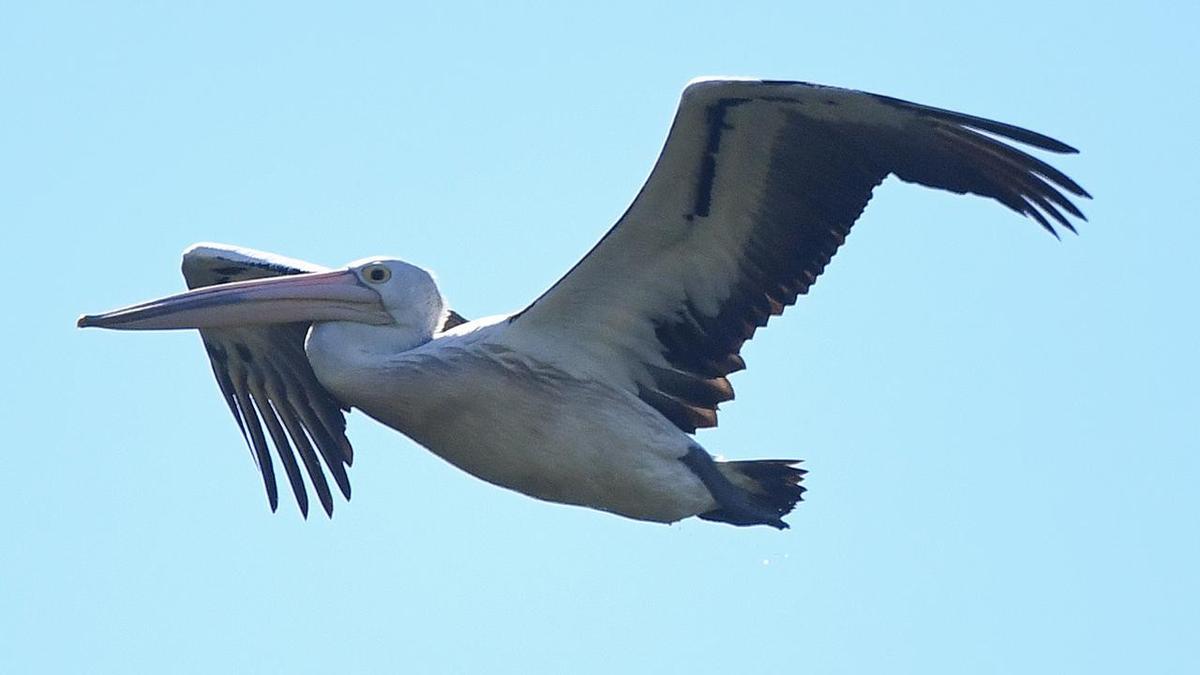
Australia’s first confirmed case of bird flu in a pelican has been recorded in South Australia, while another endangered Australian sea lion has been found dead at Victor Harbour.
The pelican was discovered at Edithburgh on the Yorke Peninsula and tested positive for the virus. Authorities have not established whether bird flu caused its death.
The sea lion has been sent for testing, following confirmation on Sunday that the first Australian sea lion had died from the virus.
The latest cases were among five positive bird flu events reported in South Australia on Monday. Silver gulls were affected at Port Noarlunga South, while little penguins were found at Nene Valley on the Limestone Coast and greater crested terns were identified at West Lakes and Middleton.
There have now been 295 confirmed H5 bird flu events in the state. Under national protocols, detections are recorded as events rather than as individual animals.
Concerns for Australian sea lions
The deaths have heightened concern for the survival of Australian sea lions, whose total population is thought to be below 12,000. More than 80 per cent of the endangered species is found in South Australia, and it is the rarest seal species in the country.
South Australian Environment Minister Emily Bourke said there was no suitable immunisation for threatened mammals such as sea lions.
“There is no off-the-shelf vaccine available, no vaccine that has been approved at a national level,” Ms Bourke told reporters on Monday.
About 100 captive birds are due to receive a second dose under a South Australian vaccination programme at Cleland Wildlife Park, Adelaide Zoo and Monarto Safari Park.
Pelicans are considered at very high risk from bird flu because they are sociable, widely distributed and nest in colonies. Tens of thousands are currently breeding at Kati Thanda-Lake Eyre after unusually heavy summer rainfall, raising fears that an outbreak there could cause substantial losses if infected birds reach the colony.
Australian pelicans are found along the coast and inland, including across the Murray-Darling Basin. Pelican populations overseas have also been badly affected, with an estimated 40 per cent of Peruvian pelicans reported to have been wiped out by the virus.
There have been no H5 bird flu detections in poultry or other livestock, and authorities have said the risk to human health remains low.
