


Egypt’s parliament has delayed a vote on military support for Saudi Arabia, extending debate over whether the country should respond to requests for defence assistance amid attacks by Yemen’s Iran-aligned Houthis.
The House of Representatives said the second session had been adjourned until October 26. The proposed authorisation would allow President Abdel Fattah el-Sisi to approve any Saudi request for Egyptian military support.
The Egyptian Social Democratic Party has instructed its MPs to abstain, saying lawmakers had not received sufficient information about the mission’s objectives, duration, cost or the risks to Egyptian troops.
Two members of parliament said the party’s position reflected a lack of clarity, although most of its lawmakers supported the measure. The party holds nearly a dozen seats.
The proposal follows attacks on Riyadh’s international airport and Saudi Aramco last week. Saudi authorities said 13 people were killed in the airport attack on October 10.
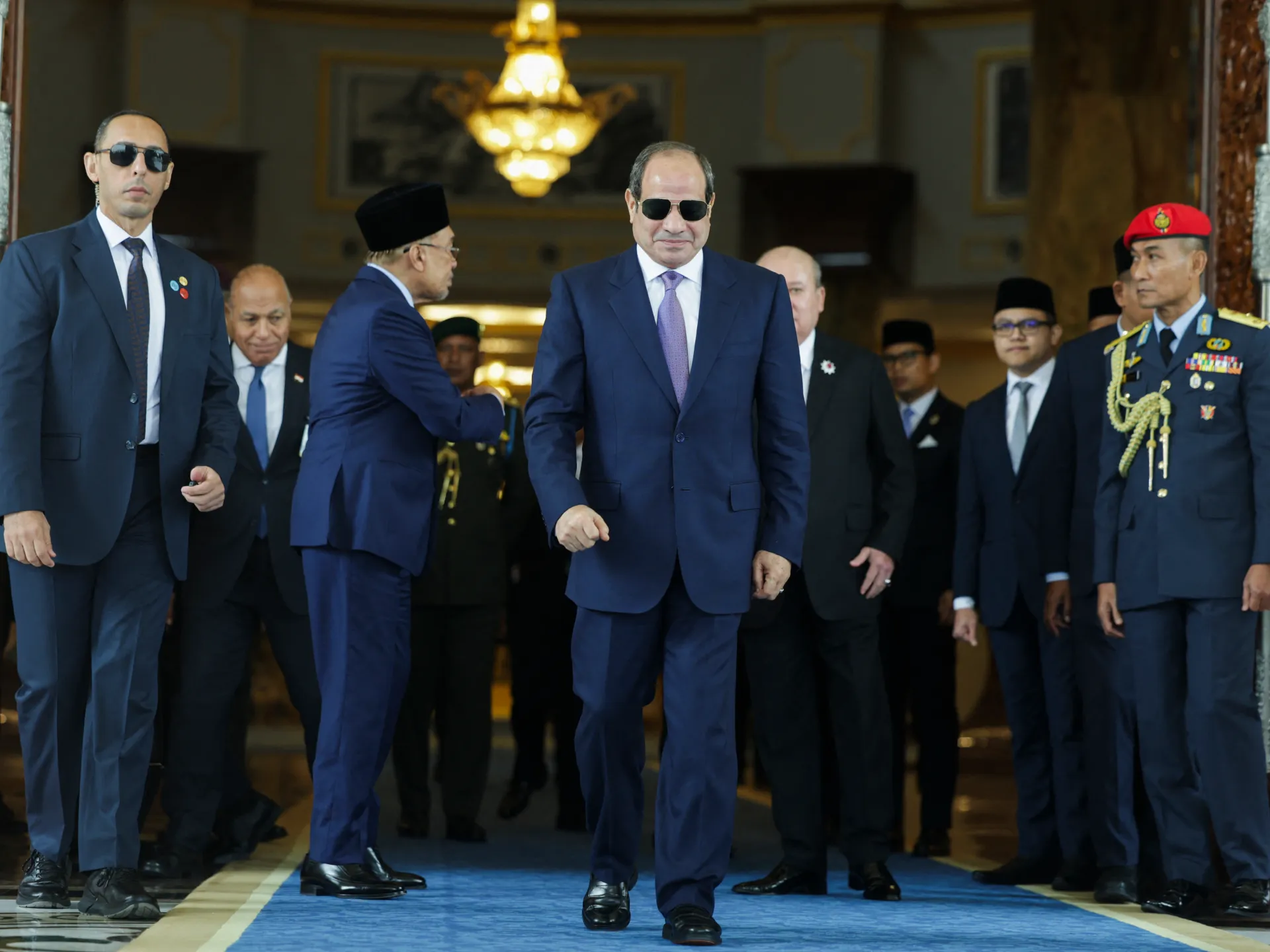
Mr el-Sisi said on Saturday that Egypt would take “any measure” needed to protect its Gulf allies, while stressing that the country was not preparing to attack anyone.
“I’m not talking about confronting or attacking anyone,” he said. “We’re talking only about defence.”
The National Defence Council, chaired by Mr el-Sisi, approved the request on Sunday. Under Egypt’s constitution, deploying troops on a combat mission abroad requires the backing of two-thirds of parliament after approval by the council.
Saudi support and Egypt’s economy
The delay comes as Saudi Arabia remains an important financial backer of Egypt. Riyadh is due to deposit 5.3 billion dollars into Egypt’s central bank this month, along with 267.39 million dollars in interest.
Egypt’s EGX30 stock index initially fell on Monday over concerns about possible military involvement, but recovered to close 0.4 per cent higher. Nematallah Choucri, head of research at HC Securities, said geopolitical developments were the main driver of recent market losses.
Egypt is also facing shortages of oil and gas exports from the Middle East linked to the US war on Iran and fighting in Yemen. Its economy depends heavily on remittances from Egyptians employed in Saudi Arabia’s hydrocarbons industry.
The Grand Imam of al-Azhar called on Arab and Muslim leaders to mediate over the parliamentary decision and prevent further bloodshed.
Political analyst and Gulf studies expert Thomas Bonnie James said the Houthi threat to Saudi Arabia also posed a risk to the Suez Canal. Egypt’s foreign minister has said the canal has lost about 11 billion dollars since Houthi attacks began in the Bab al-Mandeb strait in solidarity with Gaza in 2023.
Mr James said Egypt also did not want to be viewed as the regional ally that “stood aside while others defended the kingdom”.
Turkiye and Pakistan have made their own pledges after activating the Mecca defence pact with Riyadh, signed in August, amid worsening security conditions in the Middle East.
