


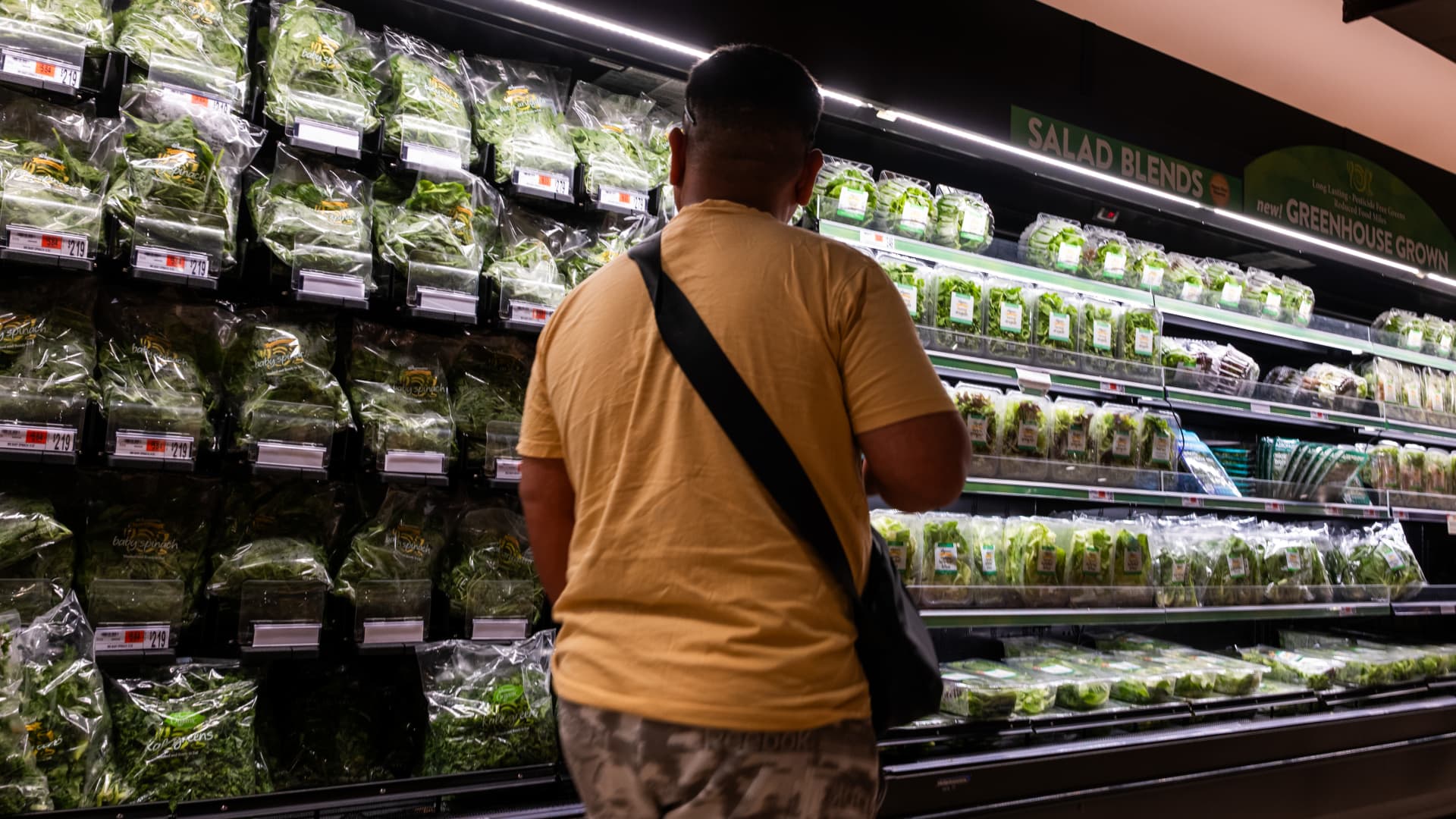
The largest outbreak of cyclosporiasis ever recorded in the United States has ended, health officials have said, after sickening 12,833 people across 21 states.
The outbreak was linked to shredded iceberg lettuce supplied by Taylor Farms de Mexico, although officials have not identified the precise point at which the parasite contaminated the food. Two people died in Michigan, which recorded the highest number of cases.
Across the wider 2026 season, 19,595 cases of cyclosporiasis were reported in the US, making it the worst year on record for the foodborne illness, according to the Centers for Disease Control and Prevention.
CDC declares record cyclosporiasis outbreak over
The US Food and Drug Administration said its investigation had found a consistent link between illnesses and lettuce from Taylor Farms de Mexico, including shredded iceberg lettuce served at Taco Bell restaurants.
Taylor Farms began a voluntary recall on July 17 covering iceberg lettuce sourced from central Mexico. The recall included products sold through retailers including Walmart, as well as lettuce distributed to Taco Bell, which removed the ingredient from its restaurants.
The FDA later classified the recall as Class I, the agency’s highest risk category, meaning there was a reasonable probability that consuming the product could cause serious illness or death. It said the affected products’ use-by dates had passed and that they should no longer be available in shops or restaurants.
Health officials faced difficulties tracing the outbreak because Cyclospora can take days or weeks to cause symptoms. By the time cases are identified and food histories collected, suspect fresh produce may have been eaten or spoiled.
The outbreak brought renewed scrutiny of food safety controls in the US, as well as the resilience of a highly concentrated food supply chain. Restaurants selling fresh lettuce and grocery retailers also reported weaker demand while the investigation was under way.
Cyclosporiasis is caused by the parasite Cyclospora cayetanensis and commonly causes watery diarrhoea, loss of appetite, fatigue and stomach cramps. People experiencing symptoms are advised to contact a healthcare provider, as routine stool tests may not always detect the infection.
