


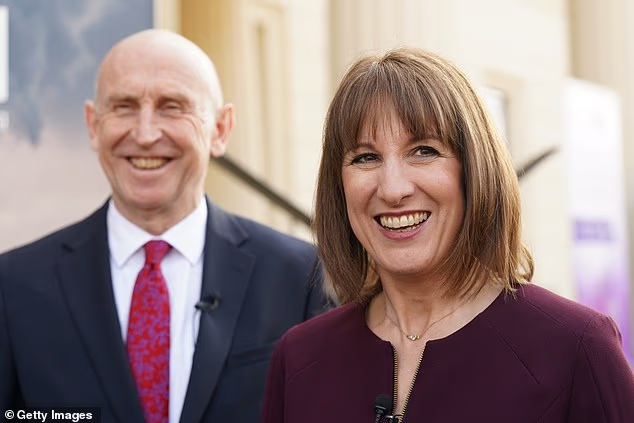
John Healey is expected to abandon plans to cut the cash Isa allowance from £20,000 to £12,000 for under-65s, reversing a policy introduced by his predecessor Rachel Reeves.
The proposed reduction, due to take effect next April, was designed to encourage more savers to invest in stocks and shares and direct more money towards British companies. Instead, Healey is expected to argue that people should be better educated about investing rather than having their tax breaks restricted.
The reversal would preserve the existing £20,000 annual Isa allowance for cash savings. Cash Isas are exempt from tax on interest, as well as capital gains and income tax, and savers can choose to divide their allowance between cash and investments.
The plans to impose a £12,000 cash limit were strongly criticised by savings and investment experts. Tom Selby, director of public policy at AJ Bell, described the reforms as “a car crash”, saying they would add complexity without providing much benefit to consumers.
Under the abandoned proposals, under-65s would have been able to place only £12,000 of their annual allowance into cash Isas. They would also have been prevented from moving existing stocks and shares holdings into a cash Isa.
The changes prompted a rush into cash Isas at the start of the tax year, while measures were also proposed to stop savers bypassing the limit by holding substantial cash balances within stocks and shares Isas.
Interest earned on cash held in an investment Isa would have been charged at 22 per cent under the proposed system.
City firms had lobbied for a reduction in the tax advantages attached to cash Isas, with lower limits of between £4,000 and £10,000 considered before the £12,000 figure was settled on.
However, HM Revenue and Customs analysis found that reducing the cash Isa allowance would have little effect on the economy while having a “significant” impact on Isa managers, including banks and investment platforms.
Winston Ruddick, senior financial planner at Broadstone, said cash Isas were “a simple, accessible and widely understood savings product”, particularly for people with short-term goals or a lower appetite for risk.
Research by Trading 212 suggested that retaining the proposed restrictions could discourage people from investing, undermining the policy’s stated purpose.
Selby said the aim of encouraging more long-term investment was valid, but criticised the proposed approach for “hardening the border between short-term saving and long-term investing” and introducing additional complexity and a tax charge.
The decision to retain the full cash Isa allowance is expected to be welcomed by banks and building societies, which are already preparing for a tax raid on their profits.
Investment industry figures have reacted less favourably. Michael Healey, chief executive of IG Consumer, said the Chancellor had “squandered a golden opportunity to help British households build long-term wealth and get more money flowing into the businesses that drive our economy”.
“At a time when Britain desperately needs growth, protecting tax incentives that encourage people to sit on cash rather than invest is a deeply misguided decision,” he said.
