


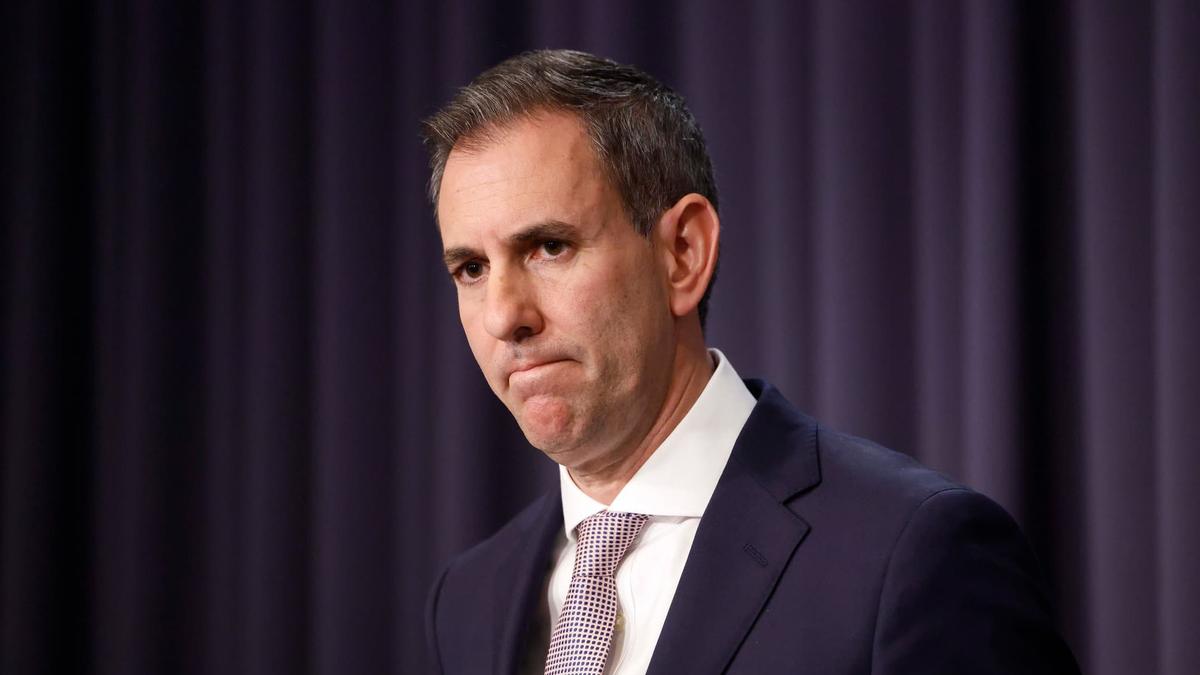
Andrew Charlton has defended Treasurer Jim Chalmers after a rise in interest rates and a sharp increase in inflation put pressure on Labor’s economic credentials in Australia.
Mr Charlton, one of Prime Minister Anthony Albanese’s most trusted ministers, said Mr Chalmers was “doing an extraordinary job in very difficult global circumstances” despite the fresh strain on mortgage holders.
The Treasurer attributed persistently high underlying inflation and rising headline inflation to higher fuel prices linked to conflict in the Middle East. The explanation came amid concerns from the Reserve Bank of Australia and economists about public spending, which accounts for about 27 per cent of the country’s gross domestic product.
Speaking on Sunday, Mr Charlton said Mr Chalmers had been prepared to tackle major challenges, including difficult housing reforms, while providing significant cost-of-living relief.
“He has shown a willingness to take on the big challenges facing Australia, including challenges in the housing market with difficult reforms, he’s delivered significant cost of living relief to Australians at a time when that’s been very important,” Mr Charlton said.
He added that Australia was among a small number of comparable economies to have faced high inflation and low productivity without entering a recession.
“And as I said earlier, he is managing one of the few comparable economies in the world that has dealt with these big global challenges of inflation and low productivity without going into a recession that would have caused a lot of pain,” he said.
“As a Labor government, that is a big priority for us to make sure that we don’t go into a recession that drives a lot of people into unemployment.”
Inflation remains above the Reserve Bank’s target
Figures released this week showed headline inflation in the year to August had risen to 4 per cent, up from 3.5 per cent. The measure includes items such as food and fuel, whose prices can fluctuate significantly.
Underlying inflation, which excludes more volatile items, remained at 3.6 per cent. That was still above the Reserve Bank’s target range of 2 to 3 per cent, indicating that factors beyond fuel prices could be contributing to inflationary pressure.
In explaining its decision to raise interest rates to a 15-year high, the Reserve Bank board said the conflict in the Middle East had widened and global energy prices were higher than forecast in August.
But it also pointed to demand linked to artificial intelligence and continuing pressure on domestic capacity as factors behind the inflation challenge.
