


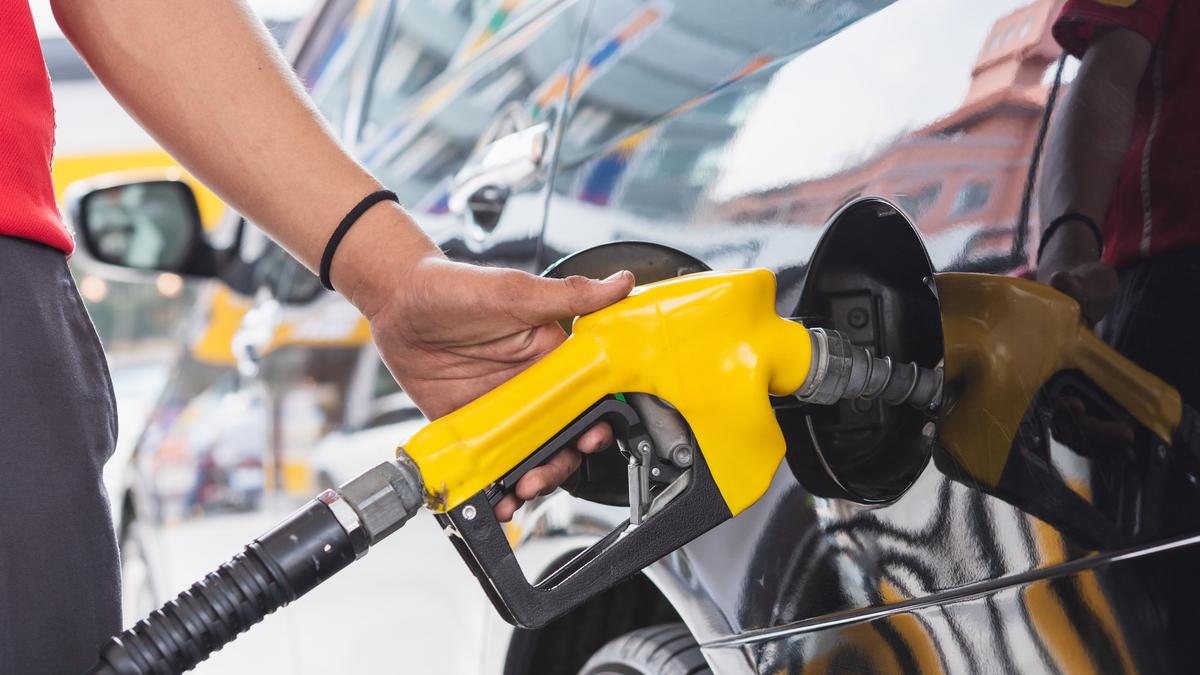
The Coalition’s plan to halve fuel excise during periods of sharply higher oil prices has triggered a political clash over whether relief should be given to every motorist or targeted at households and industries facing the greatest pressure.
Nationals Senate leader Bridget McKenzie defended the proposed Fuel Price Shield, while independent MP Allegra Spender warned that broad-based assistance could add to inflationary pressures already being monitored by the Reserve Bank of Australia.
Under the Coalition proposal, fuel excise would automatically be halved if global oil prices stayed above US$100 a barrel for two weeks. The opposition says the measure could reduce petrol and diesel prices by about 27 cents a litre.
Ms McKenzie said the policy, estimated to cost about $950 million a month, would be funded through changes to tobacco excise rather than added to the Budget.
“It only becomes inflationary Nat if you’re not actually paying for the fuel excise cut in savings reductions,” she said.
She argued that support should also reach businesses and the trucking industry, warning that higher transport costs could eventually be passed on to consumers through supermarket prices.
But Ms Spender said a nationwide reduction in fuel costs risked fuelling inflation unless it was more tightly focused. She backed assistance for freight and heavy-vehicle operators, where rising fuel costs could feed through wider supply chains, but opposed another blanket measure.
Asked whether a wealthy motorist driving an Audi should receive the same discount as a struggling family, Ms Spender said relief should be better targeted. Ms McKenzie rejected adding further complexity, arguing that everyone buying petrol or diesel was paying fuel tax.
The dispute comes as RBA governor Michele Bullock says the Middle East conflict has lasted longer than initially expected and oil prices remain elevated. She said inflation risks were tilted to the upside, while stressing that she was not signalling the board’s next interest-rate decision.
The debate leaves the Coalition arguing for broad fuel excise relief and its critics calling for targeted support, as policymakers weigh lower prices at the bowser against the risk of adding to inflation.
