


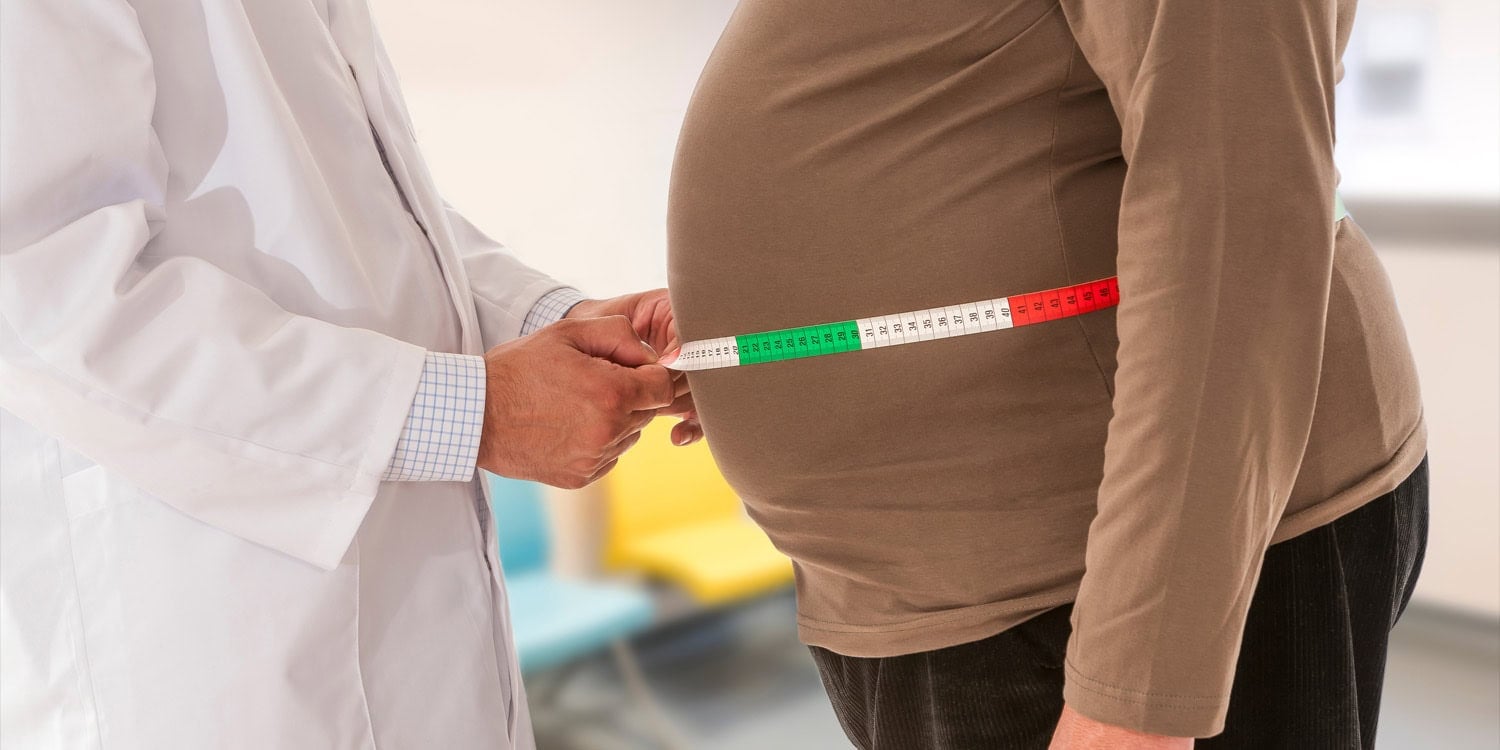
A major Norwegian study has found that carrying excess belly fat in midlife is linked to higher blood levels of an Alzheimer’s biomarker and a significantly increased risk of dementia decades later. The findings, published in Neurology, centre on the work of lead author Ekaterina Zotcheva from the Norwegian National Centre for Ageing and Health, and draw on data from a large population study in Norway.
The researchers aimed to understand how weight changes across adulthood relate to the brain’s pathology associated with Alzheimer’s disease. Rather than relying solely on memory tests and behavioural observations, they examined a blood biomarker known as p-tau217, which rises as tau proteins in the brain become abnormally phosphorylated and form tangles alongside amyloid plaques — the two core signatures of Alzheimer’s.
Historically, scientists faced barriers to measuring brain pathology in living individuals. Brain scans and spinal taps were expensive or invasive, but sensitive blood tests now offer a practical way to monitor preclinical disease processes. Because Alzheimer’s pathology can begin many years before symptoms arise, p-tau217 provides a window into the earliest stages of the condition.
To gauge body composition, the study tracked body mass index (BMI) and waist-to-height ratio. BMI reflects overall size, but not fat distribution, while waist-to-height ratio captures central adiposity — the well-known “belly fat” associated with metabolic health risks. As people age, muscle mass often declines and midlife fat accumulation increases, making the waist measure particularly informative.
Data came from the Trøndelag Health Study, a population-based project based in Norway. The final cohort included 8,797 participants with an average age of about 78. Researchers repeated BMI measurements four times between 1984 and 2019 and recorded waist-to-height ratio on three occasions beginning in 1995. In the 2017–2019 wave, participants provided blood samples to measure p-tau217, and clinicians conducted standard assessments to diagnose cognitive impairment.
Analyses adjusting for education, physical activity, smoking, mental health symptoms, and the APOE e4 genetic risk factor revealed a clear age-dependent pattern. Midlife waist-to-height ratio was associated with a roughly 13 per cent higher concentration of p-tau217 decades later and an 84 per cent higher risk of biomarker-verified Alzheimer’s dementia compared with those with lower midlife central adiposity. A similar trajectory emerged for BMI, with midlife obesity linked to higher biomarker levels and dementia risk.
There were modest sex differences in BMI findings. Among women, midlife obesity appeared most strongly connected to an early prodromal stage of Alzheimer’s disease, whereas among men it was more closely tied to fully developed, biomarker-verified dementia. Nevertheless, the overarching pattern—midlife risk followed by late-life reversal—held for both sexes.
The study also paints a contrasting late-life picture. In participants aged 70 or older, those with excess weight or high waist-to-height ratios showed notably lower p-tau217 levels and a reduced risk of biomarker-verified Alzheimer’s dementia than their leaner peers. By examining individuals’ cognitive status in old age, the researchers found that those who eventually developed Alzheimer’s tended to have heavier bodies in midlife, but then lost weight as the disease progressed.
Late-life weight loss is a recognised feature in neurodegenerative conditions, possibly reflecting early brain changes that alter appetite and metabolism. The study notes that cognitive decline can also affect the ability to shop or prepare meals, contributing to weight loss in later years.
Several limitations warrant caution. The cohort was relatively homogeneous, drawn entirely from Norway, which may affect how widely the results apply to other populations. The design also introduces potential survival bias, since participants had to live past age 70 to be included. A single p-tau217 measurement at the end of the study complicates precise timing of biomarker rises, and low biomarker levels in older adults with higher body weight could underestimate pathology.
Looking ahead, the researchers advocate regular blood testing over decades to better map how shifts in body fat align with biomarker changes. They also call for exploration of the biological mechanisms that connect belly fat to brain health, such as systemic inflammation or insulin resistance, and for integrating genetic data and brain imaging to understand individual susceptibility.
The work, titled “Associations of Anthropometry Measures Across 35 Years With Late-Life Plasma P-tau217 and Dementia,” was led by Ekaterina Zotcheva and includes collaborators Bjørn Heine Strand, Anita Sunde, Kay Deckers, Dag Aarsland, Nicholas J. Ashton, Henrik Zetterberg, Vegard Fykse Skirbekk, Miguel G. Borda, Gill Livingston, Archana Singh-Manoux, and Geir Selbaek. The findings offer new insight into how bodily changes over a lifetime may interact with neurodegenerative decline.
