


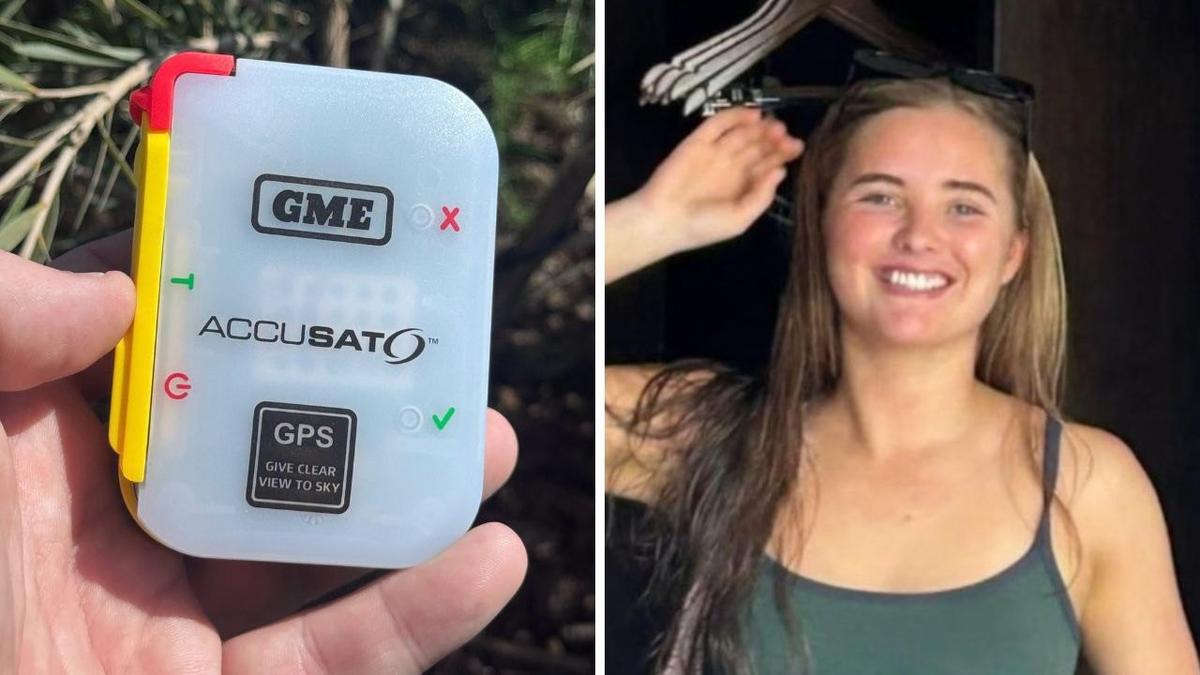
Wollondilly Council is to launch a pilot scheme offering bushwalkers free personal locator beacons, following the death of 18-year-old hiker Lily Hooper in Nattai National Park.
The “Lily’s Locators” programme has been developed with Ms Hooper’s family and is intended to help people exploring the region’s dense bushland summon assistance if they become lost or face an emergency.
The council borders the national park where Ms Hooper went missing on 12 August. She was found dead eight days later after a large multi-agency search.
Under the pilot, 15 GPS-enabled beacons will be available to borrow free of charge from three locations. Wollondilly Mayor Matt Gould said the first devices were expected to be available within the next month or two.
“This was always about creating something practical and lasting in Lily’s memory. Something that helps people explore our beautiful bushland more safely and, hopefully, helps more people make it home safely to the people who love them,” Mr Gould said.
How the personal locator beacons work
The devices are designed for use in areas without mobile phone reception. When activated in an emergency, a personal locator beacon sends a satellite signal to emergency services and provides the user’s location.
“For anyone who wasn’t used one before, a PLB is a pretty simple bit of equipment, but in bushland without mobile reception it can potentially save a life,” Mr Gould said.
The pilot will also allow the council to assess demand for the beacons and identify where most borrowing takes place, as final arrangements for the scheme are completed.
Ms Hooper had been walking the Bonnum Pic Trail, an arduous route through dense bushland and rocky outcrops which can become unmarked. Her family reported her missing after she failed to return from a day trip to the national park.
