


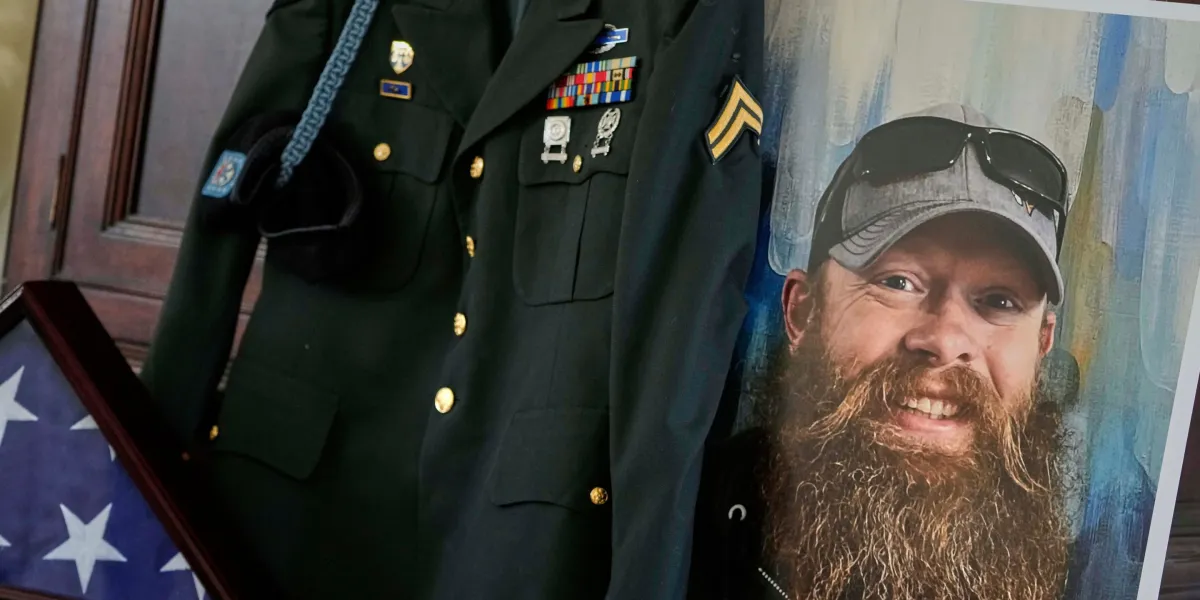
An Arizona appeals court has overturned a man’s 10-year manslaughter sentence after an AI-generated video portrayed the deceased victim speaking to the judge before sentencing.
The court ruled that Gabriel Paul Horcasitas must be resentenced for the 2021 shooting of Christopher Pelkey, finding that the video was not a reliable account of events.
A three-judge panel said the footage presented words as though they had come directly from Mr Pelkey, even though it depicted thoughts created from the imaginings of his sister, Stacey Wales.
“Indeed, rather than document an event or recording a particular moment, the AI video presents a depiction of the victim and his thoughts created from the imaginings of the victim’s sister,” the judges wrote.
The video was shown during a sentencing hearing in May 2025, after nine of Mr Pelkey’s relatives and friends had described the emotional impact of his death.
In the footage, an AI rendering of Mr Pelkey said he wished he could still be with his family and friends, expressed a belief in forgiveness and said it was unfortunate that he and Horcasitas had crossed paths. It did not ask for a particular prison term.
Horcasitas, 55, was convicted of manslaughter over the fatal shooting and of endangerment after a bullet struck another vehicle during the incident.
Authorities said he shot Mr Pelkey, 37, during a road-rage confrontation at a traffic light in Chandler, a suburb of Phoenix, in November 2021. Mr Pelkey was unarmed and had got out of his truck before walking towards Horcasitas’s vehicle.
Horcasitas’s lawyer argued that her client had no meaningful opportunity to respond to material contained in the AI-generated video. She also said the footage carried an undue emotional force and an impression of authenticity that would not have been present if a relative had read the same words aloud.
Prosecutors and a lawyer representing victims argued that the sentencing judge had not acted improperly and that the video accurately reflected Mr Pelkey’s character. They also said Judge Todd Lang had not relied on it when imposing the sentence.
Shortly before sentencing Horcasitas, Judge Lang said he “loved that AI” and remarked that Mr Pelkey’s “obvious forgiveness of Mr. Horcasitas reflects the character I heard about today”. The judge did not state whether the video had influenced his decision.
The Maricopa County Attorney’s Office said prosecutors knew Mr Pelkey’s family intended to address the court but were unaware of the form their statement would take. Lawyers for the family said Arizona law allows victims to speak in court or submit written, audio or video statements without disclosing them in advance.
Ms Wales said she had suggested the video because she wanted her brother to have a voice and to humanise him for the judge. She said she was disappointed that the footage had become the reason for an appeal, adding: “It feels unfair because there is a convicted murderer sitting in prison that has blankets and walls of protection around their rights. Where are the rights for the victim?”
She said a lawyer had warned the family that using AI again could lead to another appeal. “We will continue to let his voice be heard in whatever allowable medium we can convey that through the court system,” she said.
The use of AI in courts has generally been limited to administrative work, legal research and case preparation. The Arizona ruling highlights the difficulties of using AI-generated victim impact statements to present material outside the evidentiary stages of a case.
