


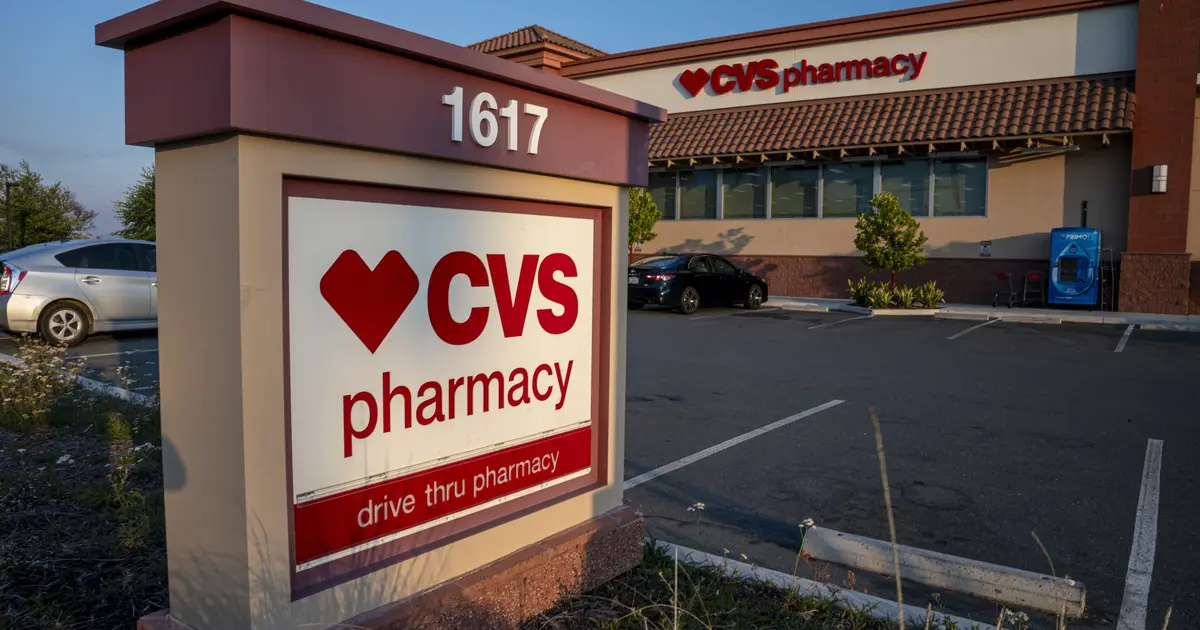
CVS Pharmacy has agreed to pay $315 million (£234 million) to settle US federal allegations that it unlawfully filled opioid and other controlled-drug prescriptions before seeking reimbursement from Medicare and other government healthcare programmes.
The settlement covers alleged conduct between October 17, 2013 and December 2, 2025. The US Department of Justice said the company had agreed to resolve claims under both the Controlled Substances Act and the False Claims Act, without admitting liability.
Prosecutors alleged that CVS pharmacies dispensed dangerous or excessive quantities of opioids, filled prescriptions early and supplied so-called “trinity” combinations involving an opioid, a benzodiazepine and a muscle relaxant.
The government also accused the chain of filling prescriptions written by suspected “pill mill” doctors, who allegedly issued large volumes of controlled-drug prescriptions without a legitimate medical purpose. Pharmacists were said to have proceeded despite warning signs that prescriptions might be invalid or medically unnecessary.
The complaint further alleged that corporate performance targets, incentive payments and staffing policies placed pressure on pharmacists to work quickly and prioritised commercial objectives over patient safety.
As part of the agreement, CVS has entered into a separate memorandum with the Drug Enforcement Administration. The measures include a hotline for employees and members of the public to report suspected illegal dispensing, monitoring of prescribing and dispensing patterns, and additional scrutiny of doctors linked to questionable activity.
CVS opioid settlement follows whistleblower case
The Justice Department said the case began with a whistleblower lawsuit filed in 2019 by Hillary Estright, a former CVS employee, under provisions allowing private individuals to sue on behalf of the US government. Federal prosecutors took over the case in 2024.
The government filed its complaint in the US District Court for the District of Rhode Island on December 13, 2024. The amount of any payment to Ms Estright, who is entitled to a share of the recovery, has not yet been decided.
Associate Attorney General Stanley E Woodward Jr described the agreement as a significant step in efforts to combat the opioid epidemic. Assistant Attorney General Brett Shumate said the new safeguards were intended to ensure controlled substances were dispensed only when medically appropriate.
CVS has disputed the allegations. The company said its pharmacists were highly trained in the safe and appropriate use of medicines, and that it did not admit wrongdoing as part of the settlement.
The claims resolved by the agreement remain allegations, and no court has made a finding that CVS was liable.
