


Air fares are rising as fewer people fly in the US, with major airlines choosing higher ticket prices over filling every seat or carrying record numbers of passengers.
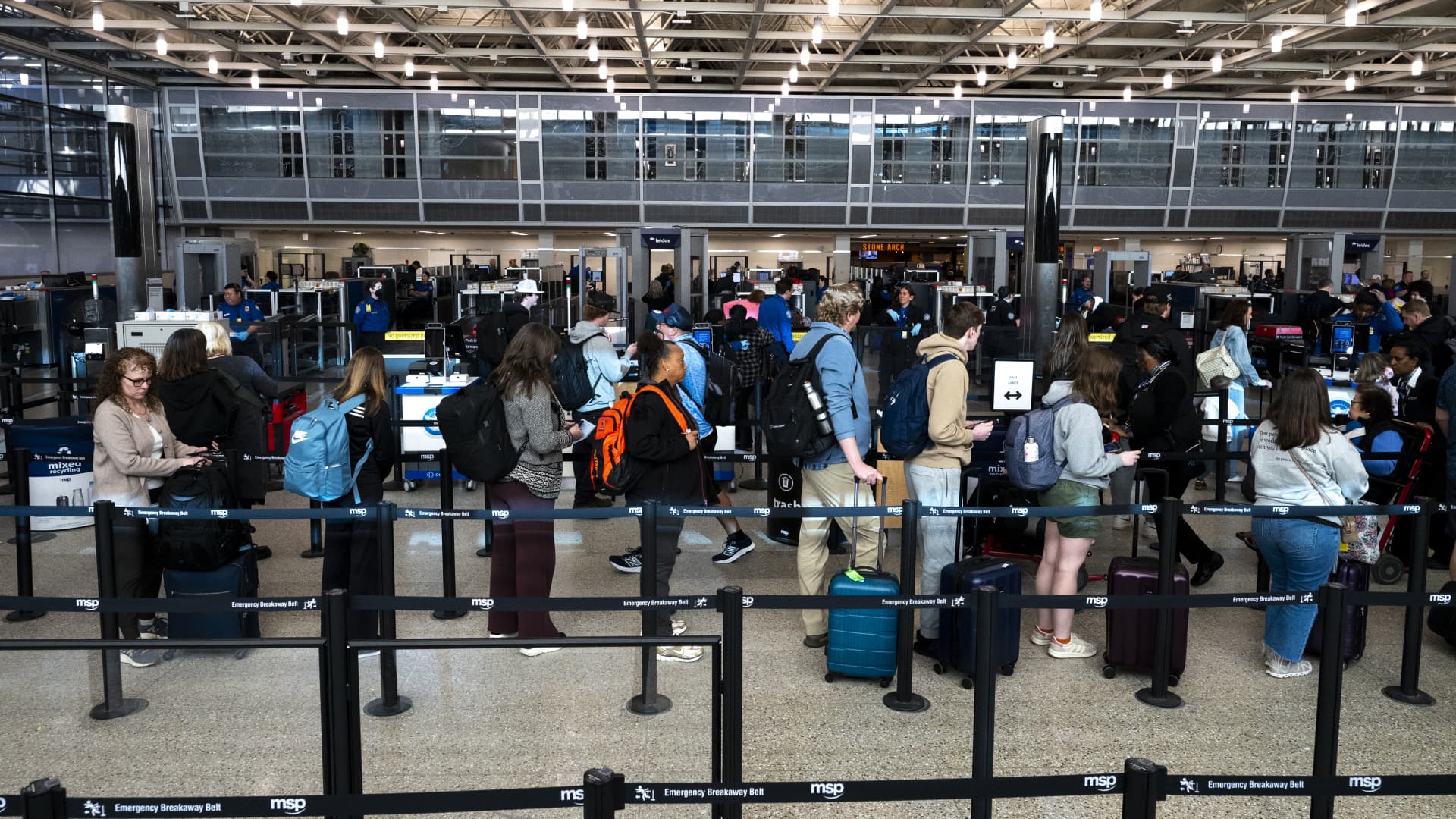
The number of travellers screened at US airport security checkpoints is on course for its first annual decline since 2020. Since April, around 9.3 million fewer people have been screened than during the same period last year, although the fall is less than 2%.
Airline executives say demand remains resilient, particularly for premium cabins, even as higher jet fuel costs push fares upwards and put pressure on profits.
American Airlines chief commercial officer Nat Pieper said the company was “actively prioritising yield versus load factor” as it invested in higher-value services.
American’s load factor, which measures how full its aircraft are, fell to 83.4% in the third quarter from 86% a year earlier.
Higher fares offset weaker passenger numbers
US air fares were more than 22% higher in September than a year earlier, according to the latest inflation figures. Hopper, a fare-tracking company, expects the coming holiday season to bring some of the most expensive air tickets in years.
Southwest Airlines reported an average fare of $231.69 in the third quarter, almost $50 more than a year earlier. The figure did not include new charges, including fees for checked bags and seats nearer the front of the aircraft.
Despite the higher prices, Southwest carried about 33.5 million revenue passengers during the quarter, down 3.2% year on year. Both fares and passenger numbers were above the airline’s expectations.
“Passenger fares came in about $3 above what our forecast was and the more important thing is that passenger volumes also exceeded our expectations,” said Bob Jordan, Southwest’s chief executive.
Jet fuel, the industry’s biggest expense after labour, has more than doubled from year-ago levels. US Gulf Coast spot prices reached $4.63 a gallon, while United Airlines expects to pay an average of $4.80 a gallon in the fourth quarter, compared with $3.90 in the third.
United was among the carriers to report stronger traffic. It flew 2.4% more passengers in the third quarter than a year earlier, while unit revenue rose 16% — its biggest increase since the pandemic.
United chief executive Scott Kirby said he had been “pleasantly surprised” by airlines’ ability to raise yields and pass on much of the increase in fuel prices. He said carriers could continue to prioritise fares over load factors, potentially supporting double-digit margins next year.
Airlines rein in capacity plans
American, United, Delta Air Lines and Southwest all reduced their 2026 profit forecasts this month. American is the only one of the four expecting to make a loss for the year.
Several airlines have also scaled back growth plans or warned that the industry may reduce its capacity expansion targets. Fewer available seats could push fares higher if demand remains firm.
Executives said premium seats, which can cost hundreds or thousands of dollars more than economy tickets, have been particularly popular.
Smaller carriers including Frontier Airlines and Allegiant Air, which traditionally serve more price-sensitive passengers, are due to report results in the coming weeks. Their figures may offer a clearer indication of whether those travellers are cutting back on flying.
The collapse of Spirit Airlines could also affect passenger numbers. Bank of America said in a research note that some of Spirit’s former customers had probably stopped flying after the airline went out of business in early May.
