


Gen Z candidates from both major US parties are making housing affordability a central issue in the midterm elections, arguing that a shortage of homes and soaring prices are putting pressure on voters of every age.
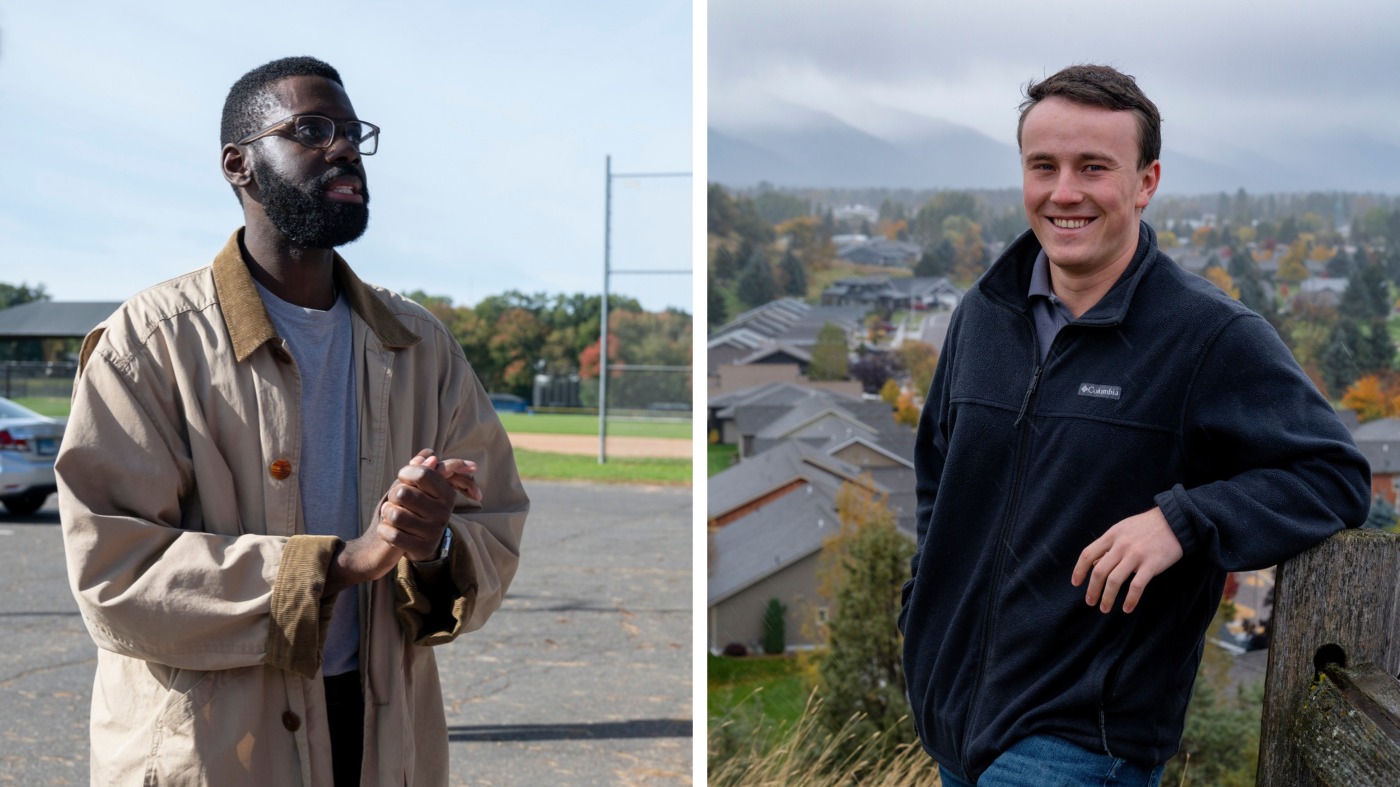
In Connecticut, Democratic candidates Olaleye Onikuyide, 28, and Eli Sabin, 26, are campaigning on denser development, cheaper homes and stronger protections for renters. In Montana, Republican state representative Lukas Schubert, 21, is seeking re-election with a focus on building more affordable starter homes.
The candidates say younger Americans are renting with flatmates well into their thirties, struggling to save for deposits and questioning whether buying a home is still realistic. Older homeowners, meanwhile, may be reluctant to move because of high mortgage rates, while those hoping to downsize can find few affordable alternatives.
Onikuyide, who is standing for the Connecticut state legislature, lives with his parents in part to save money. He said his generation faced high housing and petrol costs, student loan debt and a difficult labour market.
“We might be the generation that is more educated and yet worse off than our parents,” he said.
He wants to see more mixed-income housing and walkable cities, although proposals to increase urban density can face opposition from residents concerned about traffic and pressure on infrastructure.
For Onikuyide, the political response is likely to be shaped at state level. “I keep one eye on the national conversation about it,” he said, “but the action is happening at the state level.”
Housing affordability becomes a cross-party issue
Sabin, who is also running for a seat in Connecticut, said his experience as a renter gave him a perspective often missing from elected office, where homeowners are overwhelmingly represented.
About 70% of New Haven residents are renters, he said. Yet his own lease is due to expire in May and he does not know whether his rent will rise or whether his landlord will allow him to remain in the property.
He supports greater protection against eviction and measures to make home ownership more attainable. Sabin also points to zoning changes introduced during his time on New Haven’s Board of Alders, which allowed denser development and more affordable units.
“I think it’s the experience of being a renter and just the insecurity and instability that you feel,” he said.
Sabin said people in the community had described younger residents as being “pushed out”, with some moving to Texas, Tennessee or Florida because those were places they could afford rather than where the best jobs or opportunities were available.
In Montana, Schubert said housing affordability was not exclusively a Democratic concern. Housing appears among the top issues on his campaign website, alongside Christianity and taxes.
“It is a top priority among Republicans as well,” he said. “It’s not just, you know, a Democrat issue.”
Home prices in Montana rose sharply during the Covid-19 pandemic as more people moved to the state. Schubert was among a group of Gen Z and millennial lawmakers who supported changes intended to reduce zoning restrictions and other barriers to construction.
A 2023 package of laws, known as the “Montana Miracle”, sought to make building housing easier and cheaper. Schubert said more needed to be done to address a gap between expensive new developments and the homes many first-time buyers are seeking.
“Seemingly all of the new development is apartment buildings or big, you know, 5, 10 million-dollar mansions,” he said.
His priority is to encourage the construction of modest single-family homes and duplexes. A proposal he backed for a tax break for developers selling newly built starter homes at less than 85% of the local median value failed in the previous legislative session, but he plans to introduce it again.
Schubert said home ownership remained important for building and retaining middle-class wealth. Like the Democratic candidates in Connecticut, he believes younger politicians have a direct stake in finding ways to keep it within reach of future generations.
